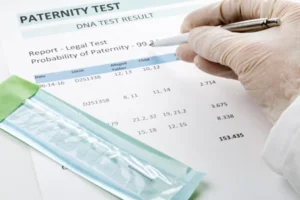

Questions about biological parentage can be difficult to carry, especially when uncertainty affects family relationships and personal decisions. For individuals who want answers without immediately entering a legal process, a Non-Legal Peace of Mind Paternity DNA Test Philippines can offer a private way to learn more about biological paternity. This type of DNA test is generally designed for personal knowledge rather than courtroom evidence. It can help an alleged father, mother, or other family member obtain scientific information about a biological relationship. Unlike assumptions based on physical resemblance or family history, DNA testing examines genetic information directly. Understanding how this testing works can help people make a more informed and responsible choice. It is also important to recognize that a private DNA result and legal proof of paternity serve different purposes.
Why Biological Paternity Questions Matter
Biological paternity can be an important personal question for many different reasons. An individual may have questions about parentage because of conflicting family information, uncertainty about a biological relationship, or a desire for greater personal clarity. Some people may want to know the answer privately before deciding whether to discuss the matter with relatives or pursue any formal process. Others may simply want reliable biological information that cannot be determined through appearance or family resemblance. A paternity DNA test provides a scientific method for comparing genetic information between a child and an alleged father. This can be particularly valuable when uncertainty has remained unresolved for a long period of time. Having accurate information can allow individuals to make decisions based on evidence rather than assumptions.
At the same time, paternity testing can involve significant emotions. The result may affect relationships between parents, children, grandparents, and other relatives. A person considering testing should therefore think carefully about why the test is being requested and how the possible results may be handled. The purpose should be to obtain information responsibly rather than use testing as a way to create conflict. When a child is involved, adults should consider the child’s welfare and the possible emotional implications of the information. A respectful approach can make the testing process easier for everyone involved. The scientific nature of DNA testing does not remove the need for sensitivity when dealing with family relationships.
What Is a Non-Legal Peace of Mind Paternity DNA Test?
A Non-Legal Peace of Mind Paternity DNA Test Philippines is generally intended to help individuals determine whether a tested man is the biological father of a child for personal knowledge. The test is different from a legal paternity test because its sample collection process is not necessarily designed to satisfy courtroom evidence requirements. Depending on the provider, samples may be collected privately or through a testing center using cheek swabs. The laboratory then analyzes DNA from the participants and compares relevant genetic markers. The resulting report provides statistical information regarding whether the tested man is consistent with being the biological father. This type of test can be useful when the primary goal is personal reassurance or clarification. However, the report should not automatically be treated as legal evidence.
The word “non-legal” does not mean that the scientific testing itself is unreliable. Rather, it generally refers to the intended use and the way the samples are collected and documented. Legal testing typically includes procedures for verifying participant identities and maintaining a documented chain of custody. A private test may not include those same safeguards because it is intended for personal use. People should therefore decide what they need from the test before selecting a provider. If there is a possibility that the results will later be required in court, it is better to ask about legal testing options before collecting samples. Choosing the correct testing pathway from the start can prevent unnecessary delays or repeat testing.
How DNA Can Help Determine Paternity
DNA carries genetic information inherited from biological parents. Because a child receives genetic material from both biological parents, certain genetic markers can be compared between a child and an alleged father. The laboratory evaluates these markers to determine whether the alleged father can be excluded or supported as the biological father. This process is much more scientific than comparing physical characteristics such as eye color, facial features, height, or complexion. Statistical calculations are used to determine the strength of the genetic evidence. Philippine jurisprudence has recognized DNA testing as a scientific method that can assist courts in determining paternity and filiation. (elibrary.judiciary.gov.ph) The same scientific principles can provide personal information through a non-legal testing service, although the legal status of the resulting report is different.
A typical paternity analysis involves samples from the child and alleged father. Including the biological mother may sometimes provide additional information for interpreting the child’s genetic profile. The laboratory’s testing methodology determines how many markers are examined and how the statistical calculations are performed. A properly collected sample is important because laboratory analysis depends on obtaining usable DNA. If a sample is inadequate, the testing provider may request another specimen. This is one reason participants should follow all collection instructions carefully. A reliable provider should also explain how results are interpreted rather than simply sending a report without guidance.
The Typical Testing Process
The process for a peace-of-mind paternity test usually begins with selecting a testing provider. Participants should confirm that the service is specifically designed for non-legal personal testing if that is their objective. The provider should explain who needs to submit samples and what type of sample is required. Cheek swabs are commonly used because they provide a convenient source of DNA without requiring a blood draw. Participants must follow the collection instructions carefully to reduce the possibility of contamination or an unusable specimen. Samples are then submitted to the laboratory according to the provider’s instructions. The laboratory processes the samples and generates a report after completing its analysis.
Once the laboratory has analyzed the DNA, the participant receives the test report through the provider’s designated method. The report may contain technical terminology, genetic markers, statistical calculations, and a stated probability of paternity. Participants should review the information carefully rather than focusing only on one number. If anything is unclear, the provider should be able to explain the terminology and general meaning of the findings. A responsible testing service should also make clear whether the report is intended for personal use or legal proceedings. Knowing what the report represents can help prevent unrealistic expectations. The entire process should prioritize proper sample handling, accurate analysis, privacy, and clear communication.
How to Read Paternity Test Results
Paternity DNA results are generally presented in a way that indicates whether the tested man is excluded or supported as the biological father. An exclusion means that the genetic evidence does not support the tested man as the biological father. A result supporting paternity generally indicates that the genetic evidence is consistent with the tested man being the biological father. Reports may provide a probability of paternity or another statistical measurement. Individuals should understand that these numbers are based on statistical analysis of genetic markers. A result should therefore be interpreted according to the laboratory’s report and methodology. Simply seeing a high percentage is not enough to understand every legal or biological implication of the test.
The Philippine Rule on DNA Evidence provides specific standards for DNA evidence used in judicial proceedings, including provisions concerning probability of paternity. (elibrary.judiciary.gov.ph) However, a legal evidentiary standard should not automatically be applied to every private DNA testing report. A peace-of-mind test has a different purpose and may have different documentation surrounding sample collection. Participants should ask the testing provider if they have questions about how the report should be understood. They should also keep the complete report rather than relying on a verbal statement about the result. Proper interpretation is particularly important when the information could affect significant family decisions.
Peace-of-Mind Testing vs. Legal Paternity Testing
The most important difference between these two testing options is their intended purpose. A peace-of-mind test is primarily designed to provide personal information about biological paternity. A legal paternity test is designed for circumstances where the result may be submitted as evidence in a formal proceeding. Legal testing generally involves identification procedures that connect each participant to the DNA sample collected. It may also require documented handling of the sample from collection through laboratory analysis. These safeguards are commonly referred to as chain-of-custody procedures. A private test may not include the same documentation because its purpose is personal rather than evidentiary.
The distinction becomes important when paternity has legal consequences. A private DNA report does not automatically change a child’s civil records or establish legal parental rights. It does not independently determine custody, support, inheritance, or other legal matters. Philippine courts have recognized DNA evidence in appropriate cases involving paternity and filiation, but the evidence must be evaluated according to applicable legal procedures. (elibrary.judiciary.gov.ph) Therefore, anyone who expects to use DNA results in court should discuss legal testing requirements before collecting samples. Selecting the right type of test at the beginning can help prevent the need for additional testing later.
Privacy and Personal DNA Information
Privacy should be one of the most important considerations when selecting a paternity testing provider. DNA contains personal genetic information, making it more sensitive than many ordinary types of personal data. Under the Philippine Data Privacy Act of 2012, genetic information is included within the definition of sensitive personal information. (privacy.gov.ph) Participants should therefore ask how their samples and information will be handled. They can also ask who will have access to their results and how long biological samples are retained. Understanding these policies before testing can provide greater confidence in the service. Providers should communicate their privacy practices clearly and avoid making participants guess how their information will be used.
Privacy is especially relevant when a person chooses a non-legal test because the purpose is often personal and confidential. Participants may prefer to limit knowledge of the test to the people directly involved. They should consider how results will be stored and shared after receiving them. Digital copies should be protected from unnecessary access, while physical reports should also be kept securely. A reputable provider should explain its procedures for protecting information during testing and reporting. Participants should also understand that no testing service can remove the emotional or interpersonal consequences of a result. Responsible privacy practices can nevertheless help reduce unnecessary exposure of sensitive information.
Selecting a Paternity DNA Testing Provider in the Philippines
Choosing a reputable provider is an important step when arranging a Non-Legal Peace of Mind Paternity DNA Test Philippines. Start by checking whether the provider clearly explains the difference between non-legal and legal testing. The testing process should be described in understandable language rather than relying on vague claims about accuracy. Consumers should also look for information about sample collection, laboratory processing, turnaround times, reporting, and customer support. Pricing should be transparent so that participants understand what they are paying for. Privacy policies should also be available before samples are submitted. A provider that openly explains its procedures can make the experience easier to understand.
Consumers should be cautious about unrealistic promises or overly aggressive marketing. Paternity testing is a sensitive service, and reliable providers should communicate both the capabilities and limitations of their testing process. Participants should ask whether the laboratory performs the testing itself or whether samples are sent elsewhere. They can also ask what happens if a sample is insufficient or another collection is required. Questions about the report, privacy, sample retention, and legal usability should be answered clearly. Scientific testing should be supported by transparent procedures rather than exaggerated claims. Taking time to compare providers can help individuals select a service that matches their needs and expectations.
Preparing Emotionally Before Taking a Paternity Test
The technical side of DNA testing is only one part of the decision. Participants should also consider how they might respond to the possible outcomes. A result confirming biological paternity may still create new family questions, while a result excluding paternity can have significant emotional consequences. People should think about whether they are prepared to receive information that may change their understanding of a family relationship. If multiple family members are involved, communication should be handled carefully and respectfully. When a minor is involved, adults should consider the child’s best interests when deciding how and when information will be discussed. A paternity test should be approached as a source of information, not as a weapon in a personal dispute.
It can also be helpful to distinguish between wanting an answer and being ready to act on that answer. Someone may want to know the biological truth without immediately changing a family relationship. Another person may be considering testing because of a potential legal issue. These different motivations can affect which type of DNA test is appropriate. If the situation involves serious legal or family consequences, professional advice may be useful before testing. A thoughtful approach can reduce the chance of making decisions impulsively after receiving the report. Ultimately, responsible testing involves both scientific accuracy and consideration for the people affected by the information.
When a Non-Legal Test May Not Be Enough
A peace-of-mind test can be appropriate when the primary objective is personal knowledge. However, it may not be sufficient when the DNA result is expected to have an official or legal purpose. Situations involving child support, custody, inheritance, immigration, citizenship, or formal recognition of parentage may require additional procedures. Legal DNA testing generally includes participant identification and controlled sample collection. These measures help demonstrate that the person named in the report is the same person whose DNA was analyzed. They can also establish a documented chain of custody for the samples. A private test may not provide these safeguards.
Philippine courts have specific rules concerning DNA evidence and its use in judicial proceedings. (elibrary.judiciary.gov.ph) For this reason, anyone who anticipates legal action should communicate that purpose to the testing provider before choosing a service. It may be more efficient to arrange a legal test from the beginning rather than use a private test and later repeat the process. This does not diminish the usefulness of a peace-of-mind test for people who only need personal information. It simply means that the testing method should match the intended purpose. Understanding this distinction is one of the most important decisions to make before submitting DNA samples.
Frequently Asked Questions
What is a Non-Legal Peace of Mind Paternity DNA Test Philippines?
A Non-Legal Peace of Mind Paternity DNA Test Philippines is generally a private DNA test used to determine whether a tested man is the biological father of a child for personal knowledge. It is not primarily designed to provide evidence for court proceedings. The process commonly involves collecting DNA from the child and alleged father. The laboratory compares genetic markers and calculates the statistical strength of the relationship. Results can provide significant personal clarity when biological paternity is uncertain. Participants should ask the provider about the exact purpose and limitations of the test before ordering.
Is a peace-of-mind DNA test accurate?
DNA paternity testing can provide highly reliable information when samples are properly collected and analyzed using appropriate laboratory procedures. The reliability of a particular test depends on the provider, testing methodology, sample quality, and laboratory controls. Philippine courts have recognized DNA testing as a scientifically valid method for assessing biological relationships. (elibrary.judiciary.gov.ph) Participants should review the provider’s testing information before submitting samples. They should also ask questions if the report contains terminology they do not understand.
Can I collect DNA samples at home?
Some non-legal paternity testing services may allow participants to collect cheek-swab samples privately. The exact procedure depends on the provider and the testing kit being used. Participants should follow the collection instructions precisely to avoid contamination or an inadequate sample. The samples must then be submitted according to the provider’s instructions. Home collection is generally associated with convenience and privacy, but it may not satisfy the sample-control requirements of a legal test. Anyone who expects to use the result in court should ask about legal collection procedures instead. The provider can explain which collection method is appropriate for the intended purpose.
Can a non-legal paternity test be used for legal purposes?
A non-legal test should not automatically be assumed to be acceptable as court evidence. Legal DNA testing generally involves identity verification, controlled collection, and documented chain of custody. Philippine rules concerning DNA evidence address the handling and evaluation of DNA testing in judicial proceedings. (elibrary.judiciary.gov.ph) If legal use is possible, participants should tell the provider before testing begins. This allows the provider to explain whether a legal testing process is required. A lawyer may also provide guidance based on the specific legal circumstances.
What samples are normally required?
Many paternity tests use cheek swabs from the child and alleged father. The biological mother may also be included in some testing arrangements. Additional participants can sometimes provide useful genetic information for the analysis. The exact sample requirements depend on the laboratory’s procedures. Participants should follow the provider’s instructions rather than assuming that any type of biological material will be accepted. Proper labeling and handling are also important. If a sample cannot be processed successfully, another sample may be requested.
Does a DNA result automatically establish legal fatherhood?
A DNA result concerning biological paternity does not automatically resolve every legal question concerning parenthood. Biological parentage and legal parentage can involve different considerations. A private DNA report does not independently change official records, custody arrangements, financial obligations, or inheritance rights. Those matters may require separate administrative or legal procedures. Philippine courts can use DNA evidence in appropriate paternity and filiation matters, but the legal effect depends on the circumstances and applicable rules. Individuals with legal concerns should seek appropriate professional guidance. Understanding this distinction can prevent confusion after receiving a DNA report.
How should I choose between a peace-of-mind and legal test?
Consider what you need the DNA result for before ordering the test. If you only want private information about biological paternity, a non-legal peace-of-mind test may be suitable. If you need the result for court, official documentation, or another formal proceeding, a legal testing process may be more appropriate. Legal tests generally include procedures for confirming identity and maintaining sample custody. The provider should be able to explain these differences clearly. Choosing based on the intended purpose can help you avoid unnecessary repeat testing and expenses.
Takeaway
A Non-Legal Peace of Mind Paternity DNA Test Philippines provides a private option for individuals who want scientific information about biological paternity without immediately entering a legal process. It can help replace uncertainty and assumptions with genetic evidence from properly collected and analyzed samples. The test is primarily intended for personal knowledge, so it is important not to confuse it with a legal paternity test. Individuals should carefully evaluate the provider’s laboratory practices, privacy policies, sample collection procedures, reporting process, and customer support before testing. Genetic information is sensitive, which makes responsible handling and confidentiality important considerations. (privacy.gov.ph) People should also consider the possible emotional impact of the result before deciding to proceed.
The best testing option depends on the reason for seeking the information. Someone looking for private reassurance may benefit from a peace-of-mind test, while someone dealing with a legal dispute may need a test specifically designed for official use. Philippine courts recognize DNA testing as a valuable scientific tool for determining biological relationships when the appropriate procedures are followed. (elibrary.judiciary.gov.ph) Understanding the distinction between biological information and legal recognition can help participants set realistic expectations. With careful provider selection and thoughtful preparation, paternity testing can be approached with greater privacy, clarity, and responsibility.