
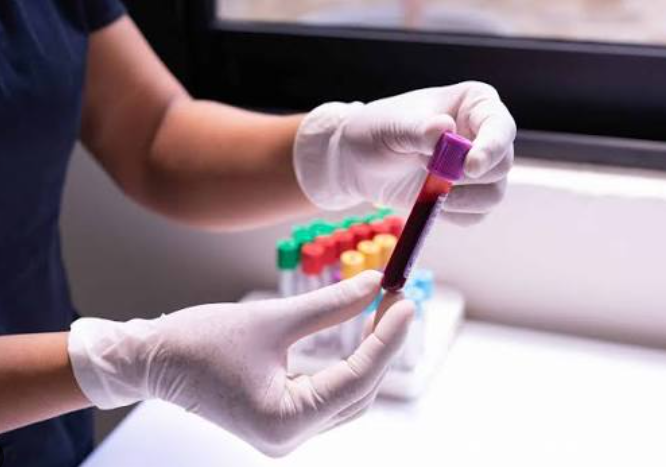
Knowing the general testing process can help patients feel more prepared when exploring an HBOC Test Philippines. The process typically involves reviewing personal and family health history, selecting an appropriate test, submitting a sample, and discussing the final report with a qualified professional.
Step One: Review Your Personal and Family Health History
Before testing, gather information about cancer diagnoses among biological relatives, including the type of cancer and approximate age at diagnosis. Details about relatives who have received genetic testing can also be useful.
This information can help a healthcare professional assess whether an HBOC-focused panel or a broader hereditary cancer panel may be suitable. When possible, testing a relative who has already been diagnosed with a cancer associated with hereditary risk may provide useful information for the family.
Step Two: Confirm the Appropriate Genetic Test
Ask the provider which genes are covered by the proposed panel and whether the analysis includes BRCA1 and BRCA2. Other relevant genes may be recommended depending on the person’s clinical history and family cancer patterns.
People considering an HBOC Test Philippines through LabLog should confirm the available panel’s coverage, sample requirements, cost, reporting timeframe, and options for professional interpretation before proceeding.
Step Three: Sample Collection and Laboratory Analysis
Inherited cancer genetic testing commonly uses a blood or saliva sample, depending on the laboratory protocol. The provider will explain the collection procedure and any instructions required before the sample is submitted.
LabLog works with an ISO-certified partner laboratory for genetic screening services. Patients should ask about the laboratory’s relevant accreditation scope, testing methods, and quality assurance processes when reviewing their options.
Step Four: Receive and Review the Results
Once laboratory analysis is complete, the patient receives a report describing the findings. A healthcare professional or genetic counselor can explain the result, discuss its clinical significance, and help determine suitable follow-up steps.
An HBOC Test Philippines should form part of a wider risk assessment rather than serve as the sole basis for major medical decisions. Screening and prevention recommendations depend on the specific result, family history, age, and personal medical circumstances.
How to Understand HBOC Genetic Test Results
Genetic reports may contain several types of findings. Understanding the difference between these results can help patients avoid unnecessary worry and make informed decisions with their healthcare providers.
Positive Result
A positive result generally means that a pathogenic or likely pathogenic variant associated with increased cancer risk was identified among the genes tested. Such a finding may indicate a higher lifetime risk of certain cancers, but it cannot predict with certainty whether or when cancer will develop.
A healthcare professional may discuss enhanced screening, preventive options, and whether relatives should consider targeted genetic testing. For patients who already have cancer, an inherited finding may also be relevant to certain treatment decisions.
Negative Result
A negative result means that the test did not identify a reportable harmful variant within its scope. Its meaning depends on the person’s family history and whether a specific familial variant was already known.
When a known familial variant is absent from the tested person’s results, the finding may be reassuring regarding that particular inherited risk. However, when no familial variant has been identified, a negative result may be uninformative. Other inherited factors or non-genetic risks may remain.
An HBOC Test Philippines cannot rule out every possible cause of hereditary cancer. Continued medical screening may still be appropriate, especially for people with a strong family history.
Variant of Uncertain Significance
A variant of uncertain significance, or VUS, is a genetic change for which available evidence is insufficient to establish whether it increases cancer risk.
A VUS is not the same as a confirmed disease-associated variant. Major medical decisions should not ordinarily be based on a VUS alone. Healthcare professionals generally assess personal and family history while monitoring whether scientific evidence leads to a future reclassification.
These distinctions highlight why professional interpretation is valuable when reviewing an HBOC Test Philippines report. Results should always be considered alongside the person’s wider health profile.
Benefits of an HBOC Test Philippines for Preventive Healthcare
Genetic testing can provide useful information for people who may have an inherited cancer predisposition. Its value comes from helping patients and healthcare professionals assess risk and consider appropriate actions, rather than offering a guarantee about future health.
More Informed Cancer Screening Decisions
A confirmed pathogenic variant may affect when certain screening procedures begin, how often they are performed, or which methods are recommended. For example, some people with inherited BRCA-associated risks may benefit from enhanced breast surveillance under professional guidance.
Screening recommendations vary by gene, age, personal history, and other clinical factors. An HBOC Test Philippines can provide information that helps healthcare professionals develop a plan suited to the patient’s needs.
Better Awareness of Family Health Risks
An inherited variant may have implications for biological relatives. Once a clinically significant variant is identified, relatives may be offered genetic counseling and targeted testing to determine whether they carry the same variant.
Family communication can help relatives discuss their own risks with healthcare professionals. However, sharing genetic information is a personal decision, and privacy should be respected throughout the process.
Greater Clarity for Long-Term Health Planning
Genetic results may help patients evaluate options for enhanced surveillance, risk-reduction measures, and continued medical follow-up. Depending on the findings, discussions may also cover medication, preventive surgery, or reproductive considerations.
These decisions should never be based on a genetic report alone. A qualified healthcare professional can explain the expected benefits, limitations, and possible effects of each option.
Why Choose LabLog for Hereditary Cancer Screening?
LabLog is a healthcare technology company focused on making modern DNA testing and preventive screening more accessible to Filipino families and businesses. Its services include paternity DNA testing, legal DNA testing, prenatal screening, immigration DNA testing, and genetic health screening.
For people researching an HBOC Test Philippines, LabLog’s Comprehensive Hereditary Cancer Screening is a relevant service to explore. Prospective patients should confirm the specific genes covered and whether the panel is appropriate for their clinical needs.
Advanced Genetic Screening Technology
Genetic testing can help identify selected inherited variants associated with particular health risks. The usefulness of a test depends on its gene coverage, laboratory methods, and the quality of the interpretation provided.
LabLog’s focus on modern genetic health screening supports its broader aim of helping people make informed healthcare decisions. Patients can ask about the available panel and how the findings may be used as part of a professional risk assessment.
Access Through an ISO-Certified Partner Laboratory
LabLog works with an ISO-certified partner laboratory for its genetic screening services. Laboratory quality systems are an important consideration when choosing a genetic testing provider.
Patients should confirm the relevant accreditation and scope, along with the specific test’s validation, variant detection capabilities, and reporting procedures. ISO certification alone does not establish that every test offered by a laboratory has identical performance or clinical suitability.
Confidential and Patient-Focused Service
Genetic information can reveal details about a person’s health risks and biological relatives. Privacy practices therefore deserve careful attention when choosing a testing provider.
LabLog emphasizes secure and confidential services. Before an HBOC Test Philippines, patients should ask how samples and reports are handled, who may access the information, how records are stored, and under what circumstances information may be shared.
Clear explanations can help patients understand the process and make an informed decision about genetic testing.
Accessible Genetic Screening Across the Philippines
LabLog offers genetic testing and screening services through a partner clinic network with nationwide collection centers. This approach aims to make selected testing services accessible to families across the country.
Availability may differ by service and location. Anyone interested in an HBOC Test Philippines should contact LabLog to confirm collection options, the current hereditary cancer panel, booking requirements, and the next steps for receiving results.
HBOC Test Philippines Cost and Important Considerations
The cost of genetic testing can vary depending on the genes analyzed, the laboratory methods, the type of report, and whether counseling or consultation services are included.
A focused BRCA1 and BRCA2 test may have a different price from a broader hereditary cancer panel. Additional charges may apply for professional consultations or follow-up services, depending on the provider.
LabLog’s current pricing for its Comprehensive Hereditary Cancer Screening should be confirmed directly with the company. Request a clear breakdown of the total cost and ask whether result interpretation is included.
Questions to Ask Before Booking
Before arranging an HBOC Test Philippines, consider asking the provider the following questions:
- Which genes does the test examine?
- Does the panel include BRCA1 and BRCA2?
- Which types of genetic variants can the laboratory detect?
- What sample is required, and where can collection take place?
- How long does the laboratory usually take to issue a report?
- Does the service include a consultation with a qualified professional?
- How are genetic samples, reports, and personal information protected?
- What support is available if the result is positive, negative, or uncertain?
- Can the provider help explain whether relatives may benefit from testing?
These questions can help patients compare options and understand the service before making a decision.
Take the Next Step Toward Understanding Your Inherited Cancer Risk
Family history can offer important clues about inherited cancer susceptibility, but understanding those clues often requires careful assessment and appropriate testing. An HBOC Test Philippines may help eligible individuals identify specific genetic variants associated with hereditary breast and ovarian cancer syndrome and discuss suitable next steps with a healthcare professional.
LabLog’s Comprehensive Hereditary Cancer Screening offers a starting point for people exploring genetic health screening options. Before proceeding, confirm whether the available panel includes the genes relevant to your medical and family history, and ask how the results will be explained.
Contact LabLog to learn more about its Comprehensive Hereditary Cancer Screening, available collection options, and testing requirements across the Philippines. With appropriate professional guidance, genetic information can help patients and families make more informed decisions about screening, risk management, and long-term health planning.
Frequently Asked Questions About HBOC Test Philippines
What Is the Purpose of an HBOC Test Philippines?
An HBOC Test Philippines assesses selected inherited genetic variants associated with hereditary breast and ovarian cancer syndrome. The results may help identify certain inherited risk factors and guide conversations about screening, preventive care, and family testing.
Is HBOC Testing the Same as BRCA Testing?
Not always. BRCA testing focuses on the BRCA1 and BRCA2 genes, while an HBOC-focused panel may examine additional genes associated with hereditary breast and ovarian cancer risk. The exact coverage depends on the laboratory and the test selected.
Can Men Take an HBOC Test?
Yes. Men can carry inherited BRCA1 or BRCA2 variants, may face increased risks of certain cancers, and can pass these variants to their children. Testing may be appropriate when personal or family history suggests hereditary cancer risk.
Does a Positive HBOC Test Mean I Have Cancer?
No. A positive result generally indicates that a pathogenic or likely pathogenic variant associated with increased cancer risk was identified. It does not confirm a current cancer diagnosis or guarantee that cancer will develop.
Can I Take an HBOC Test Without a Family History of Cancer?
Some people may still be eligible for testing, depending on their personal medical history, clinical indications, and other risk factors. A healthcare professional can help determine whether genetic testing is suitable.
How Long Does an HBOC Test Take?
The turnaround time depends on the laboratory, the panel selected, sample processing, and reporting procedures. Contact LabLog for the current estimated timeframe for its Comprehensive Hereditary Cancer Screening.
Is Genetic Testing Confidential?
Genetic testing providers should explain their policies for handling, storing, accessing, and sharing genetic information. Patients should review these policies before providing a sample and ask how their privacy will be protected.
Where Can I Ask About an HBOC Test Philippines?
You can contact LabLog to ask about its Comprehensive Hereditary Cancer Screening and whether the available panel includes genes relevant to HBOC. Ask about test coverage, sample collection, fees, reporting time, and professional interpretation before booking.