
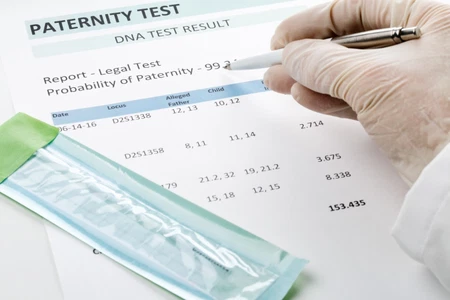
Determining biological parentage can be an important decision for individuals and families facing uncertainty about a child’s biological father. A Paternity DNA Test Philippines service provides a scientific method for examining whether a man is the biological father of a child. Unlike physical resemblance or family assumptions, DNA testing examines genetic information that a child inherits from biological parents. This makes DNA testing one of the most reliable tools available for establishing biological relationships. In the Philippines, DNA evidence may also have relevance in legal proceedings involving paternity and filiation. Understanding how testing works, what the results mean, how much it may cost, and when a legal test is needed can help people make informed decisions.
What Is a Paternity DNA Test?
A paternity DNA test is a laboratory procedure designed to determine whether an alleged father is the biological father of a child. Every person inherits genetic material from their biological parents, creating patterns that can be examined through DNA analysis. During testing, genetic markers from the child are compared with markers from the alleged father. The laboratory evaluates whether the child’s genetic profile contains the markers expected to have been inherited from the alleged father. When the genetic evidence is inconsistent with biological fatherhood, the alleged father can be excluded as the biological father. When the genetic evidence strongly supports the relationship, the laboratory calculates a Probability of Paternity based on the DNA findings. A properly performed Paternity DNA Test Philippines can therefore provide objective scientific evidence instead of relying on assumptions about family relationships.
Why DNA Testing Can Be Important for Families
Questions about biological fatherhood can arise for many different reasons, and every family situation is unique. Some people seek testing because there is uncertainty about who the biological father is. Others may want confirmation before making decisions involving family relationships, medical history, inheritance, or other personal matters. Paternity testing may also become relevant when parents disagree about biological parentage. In some circumstances, DNA evidence can become part of a legal dispute concerning filiation or related rights and obligations. Having reliable scientific information can help distinguish biological facts from assumptions or conflicting claims. Because the results may have emotional and legal consequences, anyone considering testing should approach the process carefully and understand what the test can and cannot establish.
How a Paternity DNA Test Works
The testing process begins with the collection of biological samples from the individuals being tested. Cheek-cell samples are commonly used because they contain DNA and can generally be collected through a simple swabbing procedure. The laboratory extracts DNA from the samples and examines specific genetic markers. The child’s genetic profile is then compared with the alleged father’s profile to determine whether the observed markers are consistent with biological inheritance. When the mother also participates, her genetic profile can provide additional information when interpreting the child’s DNA. The laboratory uses statistical calculations to determine the strength of the evidence supporting or excluding paternity. Rather than simply saying that two people have similar DNA, the testing process produces a scientific assessment based on genetic markers and statistical probability.
Who Needs to Take the Test?
The child and alleged father are generally the primary participants in a paternity DNA test. Depending on the laboratory’s procedures and the circumstances of the test, the mother may also be encouraged or required to provide a sample. Including the mother can help identify which genetic material the child inherited from her and which markers may have originated from the biological father. For personal testing, laboratories may have different sample requirements depending on the service selected. Legal testing can involve additional requirements because the identities of participants and the handling of samples must be carefully documented. Before scheduling a test, participants should ask the provider exactly who needs to provide a sample. Understanding the participant requirements in advance can help prevent delays and ensure that the selected testing service meets the intended purpose.
Personal Paternity Testing and Legal Paternity Testing
One of the most important distinctions to understand is the difference between a personal paternity test and a legal paternity test. A personal test is generally requested when participants want to know the biological relationship for private purposes. A legal test follows additional procedures intended to document the identity of the people tested and maintain the integrity of the samples. These procedures can include identity verification, witnessed collection, documentation, and chain-of-custody procedures. A personal test may provide useful information, but its collection process may not meet the requirements needed for evidence in a legal proceeding. People who expect to use their DNA results in court should tell the testing provider before samples are collected. Selecting the appropriate test from the beginning can prevent the need to repeat the testing process later.
Understanding Legal DNA Testing in the Philippines
DNA evidence has an established role in Philippine jurisprudence involving biological relationships. The Philippine Supreme Court has recognized DNA analysis as a reliable scientific method for determining paternity and filiation. The Rule on DNA Evidence also provides standards concerning DNA testing, sample handling, laboratory procedures, and evaluation of DNA results. Courts may consider factors such as the scientific validity of the methodology, the qualifications of the laboratory personnel, the condition of the biological samples, and the reliability of the testing process. This means that the strength of DNA evidence is not based only on the final percentage shown on a laboratory report. The way samples are identified, collected, transported, stored, and analyzed can also matter when DNA evidence is presented in court. Individuals involved in a legal dispute should therefore consider obtaining appropriate legal advice in addition to arranging DNA testing.
What Does Probability of Paternity Mean?
One of the most important terms found in a paternity DNA report is the Probability of Paternity. This figure represents the statistical strength of the genetic evidence supporting the alleged father as the biological father. A very high probability indicates that the tested genetic markers strongly support the claimed biological relationship. An exclusion indicates that the genetic evidence does not support the alleged father as the biological father. Philippine DNA evidence rules provide specific treatment for DNA results, including the evidentiary significance of a probability of paternity of 99.9% or higher. However, people should not interpret a laboratory percentage without considering the complete report and applicable legal circumstances. The scientific finding addresses biological parentage, while separate legal questions may determine how that finding affects civil records, support, inheritance, custody, or other matters. A qualified testing provider can explain the technical findings, while legal professionals can explain the potential legal implications.
How Reliable Is a Paternity DNA Test?
DNA testing is widely regarded as a highly reliable method for assessing biological relationships when appropriate laboratory methods and properly collected samples are used. Multiple genetic markers are analyzed to evaluate whether the alleged father and child share the genetic patterns expected from biological inheritance. This approach provides significantly more information than comparing appearance, blood type, or other basic physical characteristics. The quality of the final result also depends on the integrity of the samples and the procedures used by the laboratory. Contamination, incorrect labeling, improper collection, or inadequate documentation can create problems that may affect the testing process. For legal purposes, laboratories must also be able to demonstrate appropriate handling and testing procedures. Consumers should therefore evaluate the provider’s laboratory standards and procedures instead of choosing a service based solely on claims about accuracy.
How Much Does a Paternity DNA Test Cost in the Philippines?
The price of a paternity DNA test can vary depending on the provider and the type of service selected. Personal testing may have a different price from legal testing because legal services generally involve additional procedures for identification and documented sample collection. The number of participants can also affect the overall cost. Other factors may include the location of sample collection, laboratory processing, turnaround time, and any additional testing requirements. Some Philippine DNA testing providers publish separate pricing for personal and legal paternity testing, but prices can change over time. Consumers should request a current quotation and ask exactly which services are included in the advertised fee. Comparing the testing procedure, documentation, laboratory standards, privacy practices, and total price can help individuals select a service that provides appropriate value.
How Long Does Paternity Testing Take?
The turnaround time for a paternity DNA test depends on the laboratory and the type of testing selected. The process typically includes appointment scheduling, sample collection, laboratory processing, DNA profiling, statistical analysis, and preparation of the final report. Personal testing may have a different turnaround time from legal testing because legal services can require additional documentation and identity verification. Laboratories may also need more time if a sample is insufficient or if additional analysis becomes necessary. Participants should ask when the stated turnaround period begins because some providers measure processing time from sample collection while others may begin when samples arrive at the laboratory. Expedited services may also be available from certain providers for an additional fee. Asking about expected processing time before booking can help participants plan appropriately.
Choosing the Right Paternity DNA Testing Provider
Choosing a reliable provider is an important part of the testing process. Consumers should look for clear information about laboratory procedures, sample collection, privacy, pricing, and result reporting. A reputable provider should be able to explain the difference between personal and legal testing and tell clients which service is appropriate for their intended purpose. For legal testing, participants should ask how identities are verified and how chain-of-custody procedures are maintained. It is also helpful to ask whether qualified laboratory professionals conduct and interpret the DNA analysis. Transparent communication can be especially valuable when participants are dealing with a sensitive family situation. Before providing a biological sample, individuals should make sure they understand the service they are purchasing and how their genetic information will be handled.
Privacy and Confidentiality in Paternity DNA Testing
DNA contains highly personal genetic information, so privacy should be an important consideration when selecting a testing provider. Participants should review the provider’s policies concerning sample storage, genetic information, laboratory records, and access to test results. They should also understand who is authorized to receive the final report. For DNA evidence used in Philippine legal proceedings, applicable rules contain confidentiality provisions concerning DNA profiles and related testing information. Private testing providers may also have their own policies governing how samples and reports are stored or disposed of after testing. Consumers should ask questions about privacy before submitting samples rather than waiting until after results are released. Careful attention to confidentiality can help protect sensitive information and reduce the risk of inappropriate disclosure.
What to Know Before Scheduling a Paternity DNA Test
Before booking a test, individuals should first identify their main reason for testing. If the results are needed only for personal information, a personal paternity test may be sufficient. If the results may be presented to a court, participants should ask for a legally documented testing process from the beginning. It is also important to understand who will participate and what documents may be required. People should consider how they may respond to unexpected results because paternity findings can affect family relationships and future decisions. When a child is involved, parents and guardians should also consider the child’s emotional and practical needs. Taking time to understand the process can make the testing experience more organized and help participants select a service that matches their circumstances.
Step-by-Step Paternity DNA Testing Process in the Philippines
The first step is identifying whether the test is intended for personal or legal purposes. The next step is researching providers and confirming their testing procedures, requirements, pricing, and expected processing time. Participants then schedule sample collection and provide the required biological specimens. For a legal test, identity verification and documented collection procedures are typically part of the process. The laboratory then extracts DNA and analyzes the relevant genetic markers from the submitted samples. After comparing the profiles, the laboratory prepares a report explaining whether the genetic evidence supports or excludes paternity. Participants should carefully review the report and seek professional guidance if the results are connected to a legal dispute or another significant family matter.
Frequently Asked Questions About Paternity DNA Test Philippines
Can a paternity DNA test confirm biological fatherhood?
Yes, DNA testing can provide highly reliable scientific evidence about whether an alleged father is the biological father of a child. The laboratory compares genetic markers from the child and alleged father and evaluates whether they are consistent with biological inheritance.
Is the mother required to participate?
Not necessarily. The exact sample requirements depend on the laboratory and testing service. The mother may participate because her DNA can provide additional information when interpreting the child’s genetic profile.
What type of sample is normally collected?
Cheek-cell samples are commonly used for paternity DNA testing. A sterile swab is used to collect cells from inside the mouth, after which the sample is submitted for laboratory analysis.
Can a personal DNA test be used in court?
A personal test should not automatically be treated as equivalent to a legal DNA test. Court use may require documented identity verification, controlled sample collection, and chain-of-custody procedures. Anyone expecting to use DNA results in court should request a legal testing service.
How much does a Paternity DNA Test Philippines service cost?
Prices vary depending on the provider, number of participants, type of test, collection method, and other services. Personal and legal testing may have different fees. It is best to obtain a current quotation directly from the selected provider.
How quickly can results be obtained?
Turnaround varies among providers and testing services. Standard processing may take several days or weeks, while legal testing may require additional time for documentation and controlled procedures. Participants should confirm the expected timeframe before testing.
What does a 99.9% probability of paternity mean?
A very high Probability of Paternity indicates strong statistical support for the alleged father being the biological father. Philippine DNA evidence rules give specific evidentiary significance to a probability of paternity of 99.9% or higher. The complete report and legal circumstances should still be considered when interpreting the result.
What if the DNA test excludes the alleged father?
An exclusion means that the genetic evidence does not support the alleged father as the biological father. If the testing was properly performed, an exclusion can provide strong scientific evidence against biological paternity.
Can DNA testing change a child’s legal records?
A laboratory DNA result does not automatically change a birth certificate or other civil record. Separate legal or administrative procedures may be required depending on the circumstances.
Should I speak with a lawyer before a legal paternity test?
If the DNA test is connected with a court case, inheritance matter, support dispute, filiation issue, or another legal proceeding, obtaining appropriate legal advice can be beneficial. A lawyer can explain how DNA evidence may fit into the specific legal circumstances.
Takeaway
A Paternity DNA Test Philippines service gives individuals a scientifically grounded way to investigate biological fatherhood. DNA profiling can provide highly reliable evidence when samples are properly collected and analyzed using appropriate laboratory procedures. The most important decision is selecting a testing service that matches the intended purpose, especially when results may be used in court. Participants should consider the collection process, laboratory standards, privacy policies, cost, turnaround time, and documentation before proceeding. A DNA test can answer an important biological question, but separate legal procedures may apply when the result affects official records or legal rights. By understanding these factors before testing, individuals and families can approach paternity DNA testing with greater confidence, care, and clarity.