
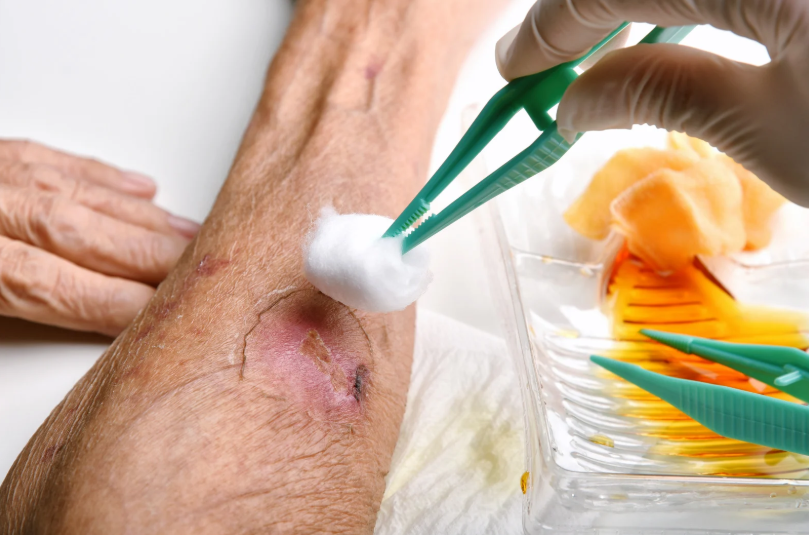
A wound that stays open, becomes more painful, produces unusual drainage, or repeatedly returns deserves proper medical attention. Home care may help with minor cuts, yet complex wounds often require a detailed assessment, suitable dressings, careful cleaning, and regular progress checks. A wound care specialist doctor can evaluate both the affected area and the health concerns that may delay recovery.
KALINGAP Wound Care Clinic provides compassionate wound care for patients across Quezon City. Its name combines the Filipino words “Kalinga,” meaning care, and “Lingap,” meaning nurture. That identity reflects a clinic culture centred on dignity, family support, community service, and genuine concern for every patient.
People living with diabetes, reduced blood circulation, venous insufficiency, limited mobility, or weakened immunity may face greater challenges when wounds occur. Early assessment by a wound care specialist doctor can help identify possible complications, select a suitable treatment plan, and guide patients and caregivers through safe wound management.
What Is a Wound Care Specialist Doctor?
A wound care specialist doctor is a medical professional who assesses and manages wounds that are complex, persistent, infected, recurring, or difficult to heal. Care may cover diabetic foot ulcers, pressure injuries, venous leg ulcers, surgical wounds, traumatic wounds, and other open sores requiring close supervision.
Specialist care goes beyond placing a bandage over damaged skin. The doctor may examine wound size, depth, tissue condition, drainage, odour, surrounding skin, pain level, and possible infection. Medical history also matters because diabetes, circulation problems, nutrition, mobility, medication use, and immune status may affect tissue repair.
MedlinePlus describes wound care centres as medical facilities that treat wounds that do not heal. Such care often includes wound assessment, cleaning, dressing selection, treatment planning, and follow-up monitoring.
A wound care specialist doctor may also coordinate with other healthcare professionals when a patient needs support for blood sugar control, circulation concerns, nutrition, rehabilitation, surgery, or another related condition. This team-based approach helps address factors that may continue to affect the wound.
Signs That You Should See a Wound Care Specialist Doctor
Some wounds improve with basic first aid and proper protection. Others show warning signs that should not be ignored. Seek professional advice when a wound:
- Shows little or no improvement
- Becomes more painful
- Develops growing redness or swelling
- Produces pus, unusual fluid, or an unpleasant odour
- Has dark, pale, yellow, or damaged tissue
- Reopens after seeming to close
- Causes numbness or reduced sensation
- Appears on the foot of a person living with diabetes
- Follows surgery and starts separating
- Comes with fever, weakness, or other signs of illness
People living with diabetes should pay close attention to foot sores, blisters, redness, swelling, numbness, colour changes, and wounds that do not appear to heal. Diabetes can affect nerves and blood vessels, which may reduce sensation, limit blood flow, and make some wounds harder to heal.
A wound care specialist doctor can determine whether the affected area needs urgent treatment, specialised dressing support, debridement, infection management, pressure relief, or referral to another medical service.
Wound Types That May Need Specialist Care
Different wound types require different care plans. A product or dressing that works for one wound may not suit another. Proper assessment helps match the treatment method with the cause, wound condition, and patient’s overall health.
Diabetic Foot Ulcers
A diabetic foot ulcer may begin as a blister, small cut, pressure point, or unnoticed skin injury. Reduced sensation can make pain less noticeable, while reduced blood flow may slow tissue repair. Daily foot checks, suitable footwear, and prompt medical attention support safer care. CDC guidance recommends checking feet each day for cuts, sores, redness, swelling, blisters, corns, or calluses.
A wound care specialist doctor can assess tissue damage, drainage, infection risk, pressure points, circulation concerns, and home-care needs. Family members may also help with daily foot checks when a patient has limited vision, mobility, or reach.
Pressure Injuries
Pressure injuries may develop when one body area remains under pressure for too long. Patients with limited mobility, prolonged bed rest, reduced sensation, or serious illness may face greater risk. Care may include regular skin checks, position changes, pressure-relieving support, moisture control, nutrition review, and suitable dressings. AHRQ materials stress structured skin assessment and pressure injury prevention practices for vulnerable patients.
Venous Leg Ulcers
Venous leg ulcers often affect the lower leg and may occur alongside swelling, skin colour changes, heaviness, or recurring breakdown. A wound care specialist doctor may assess the wound, surrounding skin, drainage, pain, and signs of infection. Treatment may also require management of the condition causing poor venous return. MedlinePlus advises keeping venous ulcers clean and bandaged while following provider instructions for dressing changes.
Surgical Wounds
Most surgical wounds recover with suitable care, yet some wounds may separate, drain heavily, become red, or show signs of infection. Dressings protect the area, absorb fluid, and help reduce exposure to germs. Patients should follow the surgeon’s or wound provider’s instructions rather than applying strong cleansers or unapproved products.
Traumatic and Open Wounds
Cuts, punctures, abrasions, crush injuries, and other traumatic wounds may damage deeper tissue or introduce dirt and bacteria. A wound care specialist doctor can assess the extent of injury, clean the area, select suitable dressings, and decide whether further medical treatment is needed.
Chronic or Recurring Wounds
A wound that remains open, repeatedly breaks down, or fails to show steady progress may have an underlying cause. Possible factors include pressure, circulation problems, diabetes, infection, poor nutrition, repeated friction, or immune concerns. Specialist assessment helps identify those barriers and supports a more appropriate care plan.
Why Some Wounds Heal Slowly
Wound repair depends on several body processes working together. A wound may heal slowly when blood flow is poor, pressure continues, tissue remains damaged, infection develops, or a chronic health condition affects recovery.
Common factors may include:
- Diabetes or poorly controlled blood sugar
- Reduced circulation
- Venous insufficiency
- Repeated pressure or friction
- Limited mobility
- Poor nutrition
- Smoking
- Infection
- Weak immune response
- Large wound size or deeper tissue damage
- Unsuitable dressing methods
- Delayed medical assessment
A wound care specialist doctor looks beyond the surface. That broader review helps identify medical and practical barriers affecting recovery. KALINGAP Wound Care Clinic supports this approach through patient education, preventive guidance, family participation, and care plans based on each patient’s needs.
What Happens During a Wound Care Consultation?
A first visit usually begins with a discussion about how the wound started, how long it has been present, which treatments have already been tried, and whether symptoms have changed. The wound care specialist doctor may also review medical conditions, medications, allergies, previous surgeries, mobility, nutrition, and daily routines.
The physical assessment may cover:
- Wound length, width, and depth
- Tissue colour and condition
- Drainage amount and type
- Odour
- Pain or numbness
- Surrounding redness, swelling, or skin damage
- Signs of pressure or repeated friction
- Possible infection
- Blood flow or sensation concerns
- Effects on walking, sleep, work, or daily activity
After assessment, the wound care specialist doctor can explain the wound type, possible causes, treatment choices, dressing plan, warning signs, and follow-up schedule. Patients and family caregivers should ask questions whenever any step feels unclear.
Treatment Options a Wound Care Specialist Doctor May Recommend
Treatment depends on wound type, severity, tissue condition, drainage, infection risk, blood supply, pain, and patient health. Not every treatment suits every person.
Professional Wound Cleaning
Careful cleaning helps remove drainage, loose debris, and material that may affect the wound surface. The method should match the wound and provider instructions. MedlinePlus advises gentle care for minor wounds and provider-directed care for major wounds. Strong products such as alcohol or peroxide may harm tissue when used on certain open surgical wounds.
Ultrasonic Debridement
Debridement means removing dead, damaged, or contaminated tissue when clinically appropriate. KALINGAP Wound Care Clinic offers ultrasonic debridement as one of its treatment options. This method uses ultrasonic energy to support removal of unhealthy tissue while helping prepare the wound for further care.
A wound care specialist doctor must first assess blood flow, tissue type, pain, wound depth, and overall health. Patients should never cut, scrape, or pull damaged tissue from a wound at home.
Negative Pressure Wound Therapy
KALINGAP Wound Care Clinic also offers negative pressure wound therapy. This treatment uses a specialised dressing connected to a small pump that applies gentle suction. It may be considered for wounds that are large, deep, difficult to heal, or producing significant fluid. NHS patient guidance explains that the therapy uses controlled suction through a wound dressing and pump.
Treatment suitability depends on professional assessment. A wound care specialist doctor can explain why the method may or may not suit a particular wound.
Specialised Wound Dressings
Dressings can help protect the wound, manage moisture, absorb drainage, and support tissue care. Dressing choice may change as the wound changes. A highly draining wound may require a different product from a dry wound or a wound with fragile surrounding skin.
Infection Management
Possible infection requires prompt assessment. The wound care specialist doctor may examine symptoms, clean the wound, order tests, prescribe medication when appropriate, or refer the patient for urgent care. Antibiotics are not automatically required for every wound, so treatment should follow clinical findings.
Pressure Relief and Protection
Foot ulcers and pressure injuries often require reduced pressure on the affected area. Care may involve footwear advice, position changes, protective padding, support surfaces, mobility guidance, or another pressure-relieving method. The exact plan depends on wound location and patient needs.
Coordinated Medical Care
Some patients need care from several professionals. Diabetes management, vascular assessment, nutrition support, rehabilitation, surgical review, or other services may form part of the treatment plan. A wound care specialist doctor can help connect wound treatment with these related needs.
Why Debridement May Be Part of Wound Care
Dead or damaged tissue can make accurate wound assessment more difficult and may interfere with treatment. Debridement may help expose healthier tissue, reduce unwanted material, and support a clearer care plan.
Several debridement methods exist, and choice depends on tissue condition, blood supply, infection risk, pain, wound location, and patient health. KALINGAP’s ultrasonic debridement option gives suitable patients access to modern wound technology delivered by trained healthcare staff.
Debridement should always be performed or directed by qualified professionals. Household blades, scissors, harsh chemicals, and unapproved home remedies may cause bleeding, tissue injury, infection, or delayed recovery.
Wound Care Support for People Living With Diabetes
People living with diabetes need careful foot care because nerve damage may reduce pain sensation, while blood vessel changes may slow recovery. A small blister or cut can become serious when it remains unnoticed or untreated. CDC guidance advises prompt medical care for foot pain, numbness, swelling, colour changes, or a sore that does not appear to heal.
A wound care specialist doctor can support diabetic patients through wound assessment, pressure management, dressing selection, infection monitoring, and follow-up visits. Education may cover daily foot checks, safe footwear, skin care, nail care, blood sugar management, and warning signs.
Family support can be especially helpful for older adults or patients with poor eyesight, reduced mobility, or limited sensation. KALINGAP’s Filipino approach values family participation while respecting patient privacy and personal choices.
Patient and Family Education Matters
Clinical treatment works best when patients and caregivers understand what to do between visits. Clear guidance reduces confusion and helps protect the wound from avoidable problems.
Education may cover:
- How to keep the dressing clean and protected
- When a dressing should be changed
- Which products should be avoided
- How to reduce pressure or friction
- Which activities are safe
- How to watch for redness, swelling, odour, pain, or drainage
- When to contact the clinic
- When emergency care may be needed
- How family members can assist safely
A wound care specialist doctor should explain each step using clear language. Patients should feel comfortable asking for a repeat demonstration or written instructions.
Compassionate Care Rooted Around Filipino Values
KALINGAP Wound Care Clinic reflects the values behind “Kalinga” and “Lingap.” Care means more than a medical procedure. It also means listening, respecting personal concerns, supporting families, and recognising the financial pressures that may cause people to postpone treatment.
The clinic aims to bridge care gaps through outreach programmes, community partnerships, affordability strategies, patient education, and preventive support. Its healthcare staff provide professional wound care with warmth, patience, and respect.
For many patients, a wound can affect sleep, movement, work, confidence, and family responsibilities. A compassionate wound care specialist doctor considers those concerns while discussing realistic treatment goals and follow-up needs.
Why Choose KALINGAP Wound Care Clinic?
KALINGAP Wound Care Clinic offers wound care services for Quezon City residents seeking professional, ethical, and compassionate support.
Patients may choose KALINGAP for:
- Care plans based on wound condition and medical history
- Support for diabetic, chronic, and complex wounds
- Ultrasonic debridement following clinical assessment
- Negative pressure wound therapy for suitable cases
- Patient and caregiver education
- Preventive guidance
- Family-centred communication
- Community outreach and partnership efforts
- Affordability strategies
- Respectful care delivered by trained Filipino healthcare staff
A wound care specialist doctor at KALINGAP can assess the wound, discuss treatment choices, explain home-care steps, and monitor progress over time. The goal is safe, organised care that supports each patient’s medical and practical needs.
Preparing for Your Appointment
Good preparation helps the healthcare team understand your situation. Bring a list of medications, relevant medical records, details about prior treatments, current dressing products, and any recent test results. Photos showing earlier wound changes may also help when available.
Write down when the wound started, what may have caused it, which symptoms have changed, and which products have been applied. Mention diabetes, circulation concerns, allergies, fever, numbness, pain, swelling, or unusual drainage.
A family member or caregiver may attend when the patient needs help remembering instructions or managing home care. Avoid applying unfamiliar creams, powders, herbs, or chemicals before the appointment unless a qualified provider has approved them.
Questions to Ask Your Wound Care Specialist Doctor
Patients can ask:
- What type of wound do I have?
- What may be slowing recovery?
- Are there signs of infection?
- Which treatment suits my wound?
- Do I need debridement?
- How often should the dressing be changed?
- Can I walk or place pressure on the area?
- Which symptoms require urgent attention?
- How often should the wound be checked?
- How can my family help safely?
- Could another health condition affect the wound?
- Which daily habits may support recovery?
Clear answers help patients take an active role and follow the care plan more confidently.
Seek Professional Care Before the Wound Worsens
A wound that remains open, becomes painful, changes colour, produces unusual drainage, or shows possible infection should receive medical attention. Prompt assessment matters even more for patients living with diabetes, poor circulation, weak immunity, or limited mobility.
KALINGAP Wound Care Clinic provides compassionate wound services across Quezon City, supported by modern treatment options, patient education, family participation, and community commitment. A wound care specialist doctor can identify risks, explain available treatments, and guide each patient through a structured care plan.
Professional care may help prevent avoidable complications and reduce uncertainty. Rather than repeatedly trying home remedies, seek qualified assessment for a wound that does not show steady progress.
Frequently Asked Questions
What Does a Wound Care Specialist Doctor Do?
A wound care specialist doctor assesses complex, slow-healing, recurring, or infected wounds. Care may include wound measurement, tissue assessment, cleaning, dressing selection, debridement, pressure relief, infection management, education, and follow-up monitoring.
When Should I Visit a Wound Care Specialist Doctor?
Seek professional care when a wound shows little progress, becomes more painful, develops swelling or redness, produces unusual drainage, smells unpleasant, turns dark, or repeatedly reopens. Patients living with diabetes should seek prompt care for foot sores, blisters, numbness, swelling, or colour changes.
Can a Wound Care Specialist Doctor Treat Diabetic Foot Ulcers?
Yes. Care may include wound assessment, pressure reduction, dressing selection, infection monitoring, patient education, and coordination with other healthcare professionals. The treatment plan depends on wound severity and the patient’s health.
What Is Ultrasonic Debridement?
Ultrasonic debridement uses ultrasonic energy to support removal of unhealthy tissue from a wound when clinically appropriate. A wound care specialist doctor must assess whether this method suits the wound and patient.
How Does Negative Pressure Wound Therapy Work?
Negative pressure wound therapy uses a specialised dressing and a small pump that applies controlled suction. It may help manage wound fluid and support care for certain large, deep, or difficult wounds. Suitability depends on professional assessment.
Does Every Chronic Wound Need Debridement?
No. Debridement depends on tissue condition, wound cause, blood flow, pain, infection risk, and overall health. A wound care specialist doctor should decide whether debridement is needed and which method may be appropriate.
How Often Should a Wound Be Checked?
Follow-up frequency depends on wound type, severity, drainage, infection risk, treatment method, and patient health. Some wounds require frequent review, while others may need less frequent checks after steady progress.
Why Choose KALINGAP Wound Care Clinic?
KALINGAP combines compassionate Filipino care with patient education, modern wound treatment options, family support, community commitment, and care plans based on individual needs. Patients seeking a wound care specialist doctor across Quezon City can receive professional guidance for complex and slow-healing wounds.
This article provides general educational information and does not replace diagnosis, treatment, or emergency medical care from a qualified healthcare professional.