
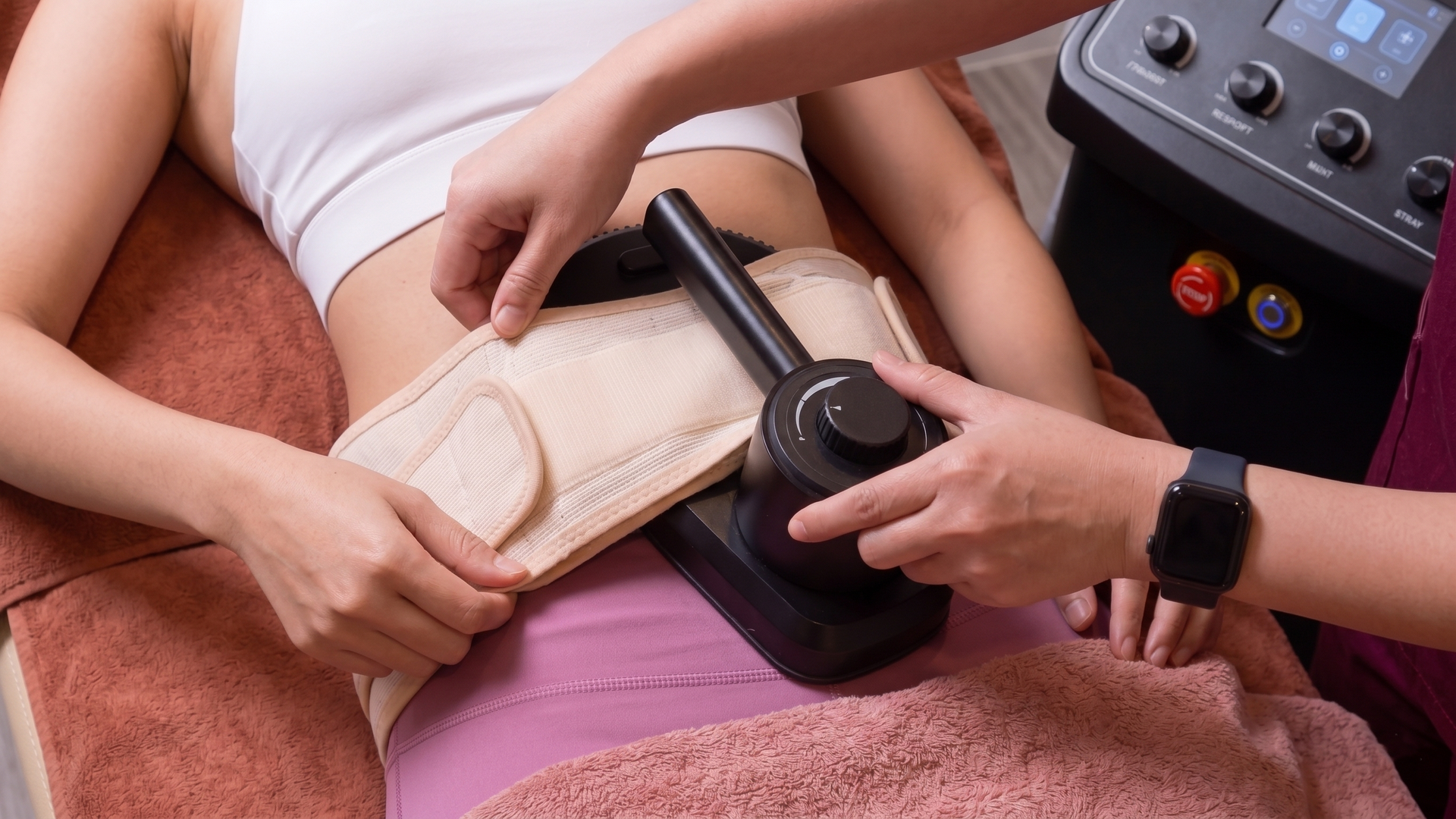
Diastasis recti is a common condition that affects the abdominal muscles, causing a separation between the left and right sides of the rectus abdominis. This separation happens when the connective tissue between the muscles stretches and becomes less supportive. While pregnancy is one of the most common causes, diastasis recti can also affect men and women due to weight changes, increased abdominal pressure, improper lifting techniques, or intense physical activity.
Many people with diastasis recti experience more than changes to their abdominal appearance. The condition may affect core strength, posture, movement quality, and overall physical confidence. Some individuals notice difficulty performing certain exercises, lower back discomfort, poor stability, or challenges returning to activities they previously enjoyed.
Finding the right approach is important because every person experiences diastasis recti differently. Effective diastasis recti treatments focus on improving muscle coordination, restoring core function, and helping patients safely return to their daily activities.
At Osteopractic Physical Therapy of Central Indiana (OPTCI), our team provides personalized physical therapy focused on identifying the causes behind movement limitations. Through comprehensive assessments and individualized care plans, we help patients improve strength, mobility, and confidence without relying on unnecessary procedures.
What Is Diastasis Recti?
Diastasis recti occurs when the abdominal muscles separate due to stretching and weakening of the connective tissue known as the linea alba. This tissue normally helps keep the abdominal muscles connected and supports the core.
During pregnancy, the growing uterus creates increased pressure against the abdominal wall. Hormonal changes also affect connective tissues, allowing the body to adapt during pregnancy and childbirth. After delivery, some individuals experience natural recovery, while others continue to experience abdominal separation.
Although pregnancy is strongly associated with diastasis recti, it is not the only cause. Other factors may include:
- Significant weight gain or weight loss
- Repeated heavy lifting without proper technique
- Poor core activation patterns
- Certain high-pressure abdominal exercises
- Muscle weakness or imbalance
- Changes in posture and movement habits
Understanding the reason behind abdominal separation helps determine which diastasis recti treatments may provide the greatest benefit.
Common Signs and Symptoms of Diastasis Recti
Some people notice diastasis recti because of visible changes around the stomach area, while others experience functional problems that affect everyday movement.
Common signs may include:
- A noticeable gap between abdominal muscles
- A bulging or doming appearance along the midline of the abdomen
- Reduced core strength
- Difficulty stabilizing the body during movement
- Lower back discomfort
- Changes in posture
- Challenges lifting objects
- Feeling weak during workouts
- Difficulty returning to previous activity levels
Some individuals may also experience pelvic floor concerns alongside abdominal weakness. Since the core and pelvic floor work together to support movement and stability, addressing both areas may be an important part of recovery.
Proper evaluation helps determine whether symptoms are connected to diastasis recti or another underlying movement issue.
Why a Professional Evaluation Matters Before Starting Treatment
Many people search for exercises online after noticing abdominal separation. While some exercises may be helpful, choosing the wrong movements can create additional strain if they do not match your current strength level and condition.
A physical therapist can assess:
- Abdominal muscle function
- Core activation patterns
- Breathing mechanics
- Posture
- Movement habits
- Strength limitations
- Flexibility restrictions
- Overall biomechanics
At OPTCI, treatment begins with understanding how your body moves and identifying factors contributing to your symptoms. This allows our therapists to create a personalized plan designed around your goals.
Effective diastasis recti treatments are not one-size-fits-all. A customized approach helps patients build strength safely while improving long-term movement.
The Most Effective Diastasis Recti Treatments
Personalized Physical Therapy for Diastasis Recti
Physical therapy is one of the most commonly recommended diastasis recti treatments because it focuses on restoring proper muscle function rather than only addressing the appearance of abdominal separation.
A physical therapist creates a program based on your current abilities, symptoms, and goals. Treatment may include:
- Core strengthening exercises
- Movement retraining
- Breathing techniques
- Postural improvements
- Functional training
- Progressive strengthening
The goal is to help your body work efficiently again so you can return to activities with greater confidence.
Deep Core Muscle Training
A strong core involves more than visible abdominal muscles. The deeper muscles play an important role in stability, posture, and movement control.
Many diastasis recti treatments focus on activating muscles such as the transverse abdominis, which acts like a natural support system around the trunk.
Training may include:
- Controlled breathing exercises
- Gentle core activation
- Stability exercises
- Functional movements
Learning how to properly engage these muscles can help improve abdominal support and movement quality.
Manual Therapy Techniques
Manual therapy may be included as part of a complete treatment program. These hands-on techniques can help address restrictions that affect movement patterns.
Depending on each patient’s needs, treatment may focus on:
- Soft tissue mobility
- Joint movement
- Muscle tension
- Areas contributing to discomfort
Manual therapy works alongside strengthening exercises to support improved mobility and function.
Posture and Movement Correction
Daily habits can influence how the body handles pressure and movement. Poor posture or inefficient movement patterns may contribute to ongoing discomfort.
A physical therapist can help identify:
- Sitting habits
- Standing posture
- Lifting techniques
- Exercise form
- Daily movement patterns
Improving these areas can support better recovery and reduce stress on weakened areas.
Progressive Strength Training
Strength training plays an important role among effective diastasis recti treatments. Once proper movement patterns are established, patients can gradually increase their strength.
A complete program may target:
- Abdominal muscles
- Back muscles
- Hip muscles
- Glute muscles
- Overall body stability
Building strength throughout the body helps improve balance, control, and physical performance.
Exercises That May Support Diastasis Recti Recovery
Exercise selection depends on each individual’s condition, but many patients benefit from controlled movements that encourage proper core engagement.
Common exercises used during diastasis recti treatments may include:
Diaphragmatic Breathing
Breathing patterns affect abdominal pressure and core coordination. Learning controlled breathing can help improve muscle activation.
Pelvic Tilts
Pelvic tilts encourage gentle abdominal engagement while improving awareness of movement.
Heel Slides
Heel slides help train core stability while allowing controlled lower-body movement.
Dead Bug Progressions
Modified dead bug exercises can challenge core control while maintaining proper alignment.
Bird Dog Exercises
Bird dog movements help improve coordination between the core, spine, and limbs.
Glute Bridges
Glute bridges strengthen the hips and support better overall movement patterns.
These exercises should be performed with proper guidance, especially during early recovery stages.
Exercises to Avoid During Early Diastasis Recti Recovery
Certain exercises may increase abdominal pressure and may not be appropriate during the early stages of recovery.
Movements that may require modification include:
- Traditional crunches
- Sit-ups
- Advanced planks
- Heavy lifting without proper technique
- Exercises that cause abdominal doming
Avoiding these movements temporarily does not mean they are permanently restricted. Many people can gradually return to more challenging activities with proper progression.
A physical therapist can help determine when and how to safely advance your exercise routine.
How OPTCI Supports Diastasis Recti Recovery
Osteopractic Physical Therapy of Central Indiana provides individualized care for people seeking effective diastasis recti treatments. Our therapists focus on understanding each patient’s goals and creating a plan that supports meaningful improvement.
Our approach includes:
- Detailed movement assessments
- Personalized treatment strategies
- Hands-on physical therapy techniques
- Strength development
- Education for long-term success
We help patients understand their bodies, improve movement patterns, and regain confidence with activities that matter most.
Whether you want to return to exercise, improve daily movement, or address discomfort connected to core weakness, our team is ready to support your recovery.
When Should You Seek Diastasis Recti Treatments?
Many people wait to seek help because they believe abdominal separation will resolve on its own. While some improvement may happen naturally, ongoing symptoms may benefit from professional guidance.
Consider scheduling an evaluation if you experience:
- Persistent abdominal separation
- Core weakness
- Lower back discomfort
- Difficulty exercising
- Reduced stability
- Changes in posture
- Trouble returning to normal activities
Early attention can help you understand your condition and begin a treatment plan designed around your needs.
Start Your Journey Toward Better Core Strength
Diastasis recti does not have to limit your ability to stay active or enjoy daily life. With the right evaluation and personalized care plan, many people improve their strength, stability, and movement.
Osteopractic Physical Therapy of Central Indiana provides specialized diastasis recti treatments designed around your unique needs and goals. Our team helps patients understand the source of their challenges and develop strategies for long-term success.
If you are experiencing core weakness, abdominal separation, or difficulty returning to your favorite activities, schedule an evaluation with OPTCI today and take the first step toward stronger, healthier movement.
Frequently Asked Questions About Diastasis Recti Treatments
Can diastasis recti heal without surgery?
Yes, many individuals improve through targeted physical therapy and exercise-based treatment. The right approach depends on the severity of separation, muscle function, and individual goals.
Are diastasis recti treatments effective?
Many patients experience improvements with consistent treatment focused on core strength, movement control, and proper exercise progression.
How long do diastasis recti treatments take?
Recovery time varies depending on factors such as muscle weakness, activity level, consistency with exercises, and individual healing response.
Can men develop diastasis recti?
Yes. Although commonly associated with pregnancy, men can also experience abdominal separation due to increased abdominal pressure, weight changes, or training habits.
Can I exercise with diastasis recti?
Yes, but exercise selection matters. A physical therapist can recommend safe movements based on your current condition and help you progress appropriately.
Does diastasis recti cause back pain?
Some individuals experience lower back discomfort because core weakness may affect stability and movement patterns.
Will the abdominal separation completely close?
Results vary from person to person. Many individuals experience improved strength, function, and control even if some separation remains.