
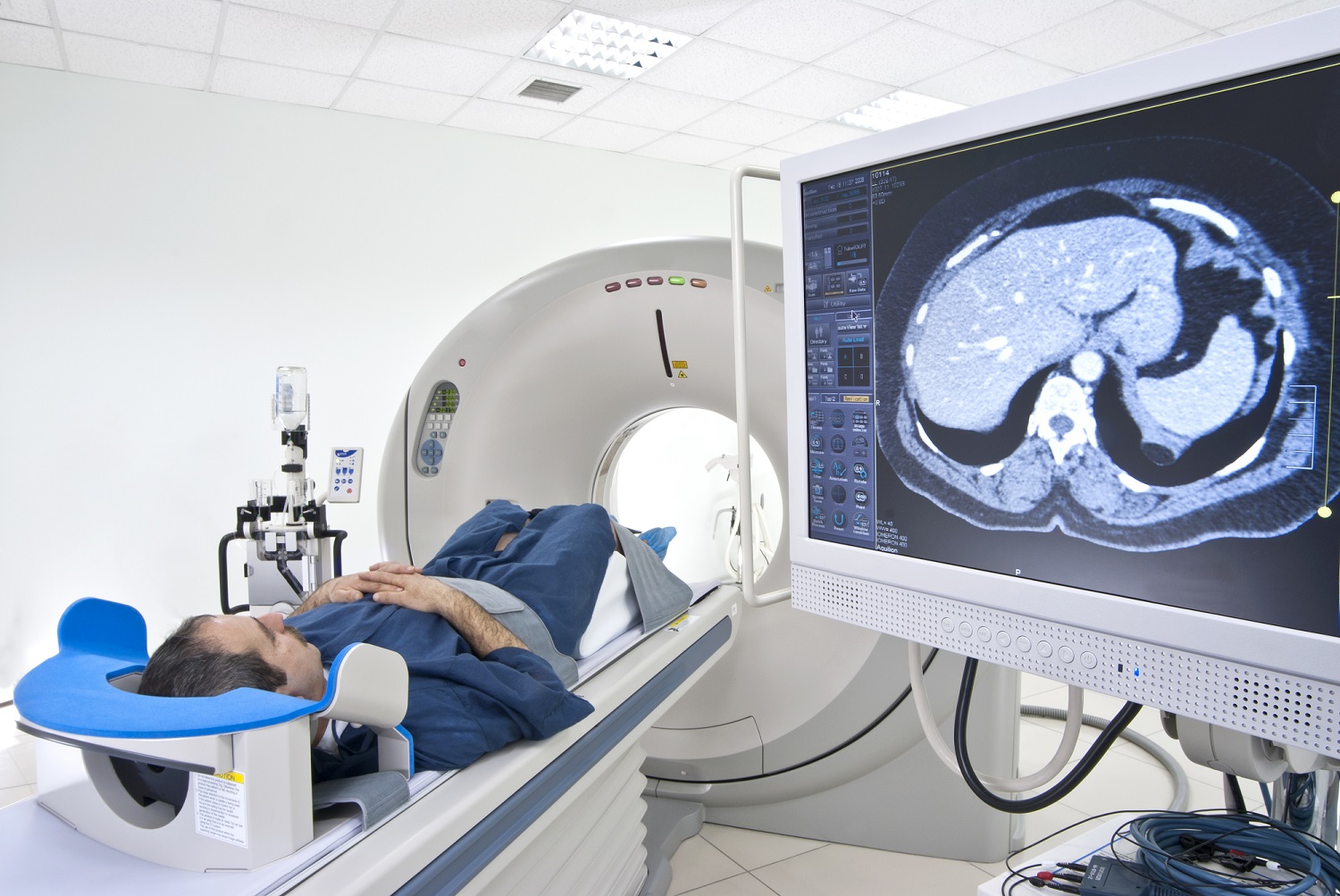
Medical imaging services are crucial components of modern healthcare, offering non-invasive ways to see inside the body and diagnose a range of conditions. These services encompass a variety of techniques, including X-rays, MRIs, CT scans, and ultrasounds, each providing unique insights into different aspects of human anatomy and pathology.
Medical imaging services play an integral role in healthcare by allowing doctors to detect diseases early, plan effective treatments, and monitor the progress of ongoing treatments. From identifying broken bones with X-rays to detecting soft tissue anomalies with MRIs, these services enable accurate diagnostics that inform better medical decisions and personalised care.
Technological Advancements in Medical Imaging Services
The field of medical imaging services has seen remarkable technological advancements, significantly enhancing diagnostic capabilities. The latest innovations include high-resolution imaging, 3D imaging techniques, and advanced software that improves image clarity and detail. These advancements not only increase the accuracy of diagnoses but also reduce the time needed to obtain results.
For instance, the development of digital imaging technology has revolutionised traditional methods, offering clearer images with less radiation exposure. Furthermore, innovations such as functional MRI (fMRI) provide insights into brain activity, aiding in the diagnosis and treatment of neurological disorders. These cutting-edge tools underscore the pivotal role of medical imaging services in contemporary healthcare.
Specialised Clinical Imaging Subspecialties
Medical imaging services encompass various specialised subspecialties, each focusing on different areas of the body or types of diseases. Radiology is one of the most well-known subspecialties, utilising X-rays, CT scans, and MRIs to diagnose and treat conditions. Nuclear medicine involves using small amounts of radioactive materials to diagnose and treat diseases, particularly cancers and heart disease.
Mammography is another specialised imaging technique, specifically used for early detection of breast cancer. Each subspecialty of medical imaging services is tailored to provide precise diagnostics, ensuring that specific conditions are accurately identified and treated. This specialisation enhances the ability of healthcare providers to deliver targeted and effective care.
Patient Experience in Medical Imaging Services
Undergoing medical imaging services can be a daunting experience for many patients. Understanding what to expect can alleviate some of the anxiety associated with these procedures. Typically, an imaging appointment begins with patient registration, followed by preparation instructions specific to the type of imaging being performed. For instance, patients may be required to fast before a CT scan or remove metallic objects before an MRI.
During the procedure, ensuring patient comfort and safety is paramount. Medical imaging services are designed to be as quick and non-invasive as possible, with most procedures completed within an hour. Technologists and radiologists work together to ensure high-quality images are obtained while maintaining patient comfort. Clear communication between healthcare providers and patients about the process can significantly improve the overall experience.
Timely Access and Efficient Medical Imaging Services
Timely access to medical imaging services is critical for early diagnosis and treatment. Delays in obtaining imaging can lead to the progression of diseases and suboptimal treatment outcomes. Efficient imaging services, therefore, play a vital role in healthcare systems.
Healthcare providers can implement several strategies to improve access and reduce wait times for imaging appointments. Streamlined scheduling systems, adequate staffing, and investment in additional imaging equipment can all contribute to more efficient service delivery. Ensuring that patients receive prompt imaging not only enhances their care experience but also contributes to better health outcomes.
Interpreting Medical Imaging Results
The interpretation of medical imaging results is a complex process that involves skilled radiologists and other specialists. After an imaging procedure, the images are analysed to identify any abnormalities or issues. Radiologists are trained to detect subtle differences in imaging results that may indicate disease or injury.
Once the images are interpreted, the findings are communicated to the referring physician and, often, directly to the patient. This communication is crucial as it forms the basis for subsequent treatment plans. Accurate and timely interpretation of imaging results is a cornerstone of effective medical imaging services, ensuring that patients receive appropriate and targeted care based on the most reliable information available.
Future Trends in Medical Imaging Services
The future of medical imaging services is poised to be transformative, driven by emerging trends and technological advancements. One of the most significant trends is the integration of artificial intelligence (AI) and machine learning into imaging processes. AI algorithms can quickly analyse large volumes of imaging data, identifying patterns and anomalies with high accuracy. This not only speeds up the diagnostic process but also enhances the precision of diagnoses.
Another promising development is the increasing use of portable and point-of-care imaging devices, which allow for diagnostic imaging to be performed outside of traditional hospital settings. These innovations expand the reach of medical imaging services, making them more accessible to patients in remote or underserved areas.
As medical imaging technology continues to evolve, it will undoubtedly lead to new diagnostic capabilities and improved patient outcomes. The ongoing research and development in this field promise to keep medical imaging services at the forefront of medical advancements, continually enhancing their role in healthcare.
Takeaway
Medical imaging services stand as a testament to the remarkable progress in healthcare technology, bridging the gap between complex medical conditions and precise, actionable insights. By leveraging the latest advancements and maintaining a patient-centred approach, these services continue to play a pivotal role in modern medicine. Whether it’s through early detection, specialised diagnostics, or future innovations, medical imaging remains a cornerstone of effective healthcare delivery, paving the way for a healthier future.