
Eye inflammation can silently threaten your vision if left untreated. One of the most serious forms of this condition is uveitis, which affects the uvea and may involve other parts of the eye. Prompt uveitis treatment is crucial to prevent permanent vision loss and preserve eye health. Recognizing symptoms early and seeking specialized care from experienced ophthalmologists can make a significant difference in outcomes. Peregrine Eye and Laser Institute (PELI) in Metro Manila offers advanced uveitis treatment with a patient-focused approach, combining expertise, technology, and personalized care.
Understanding Uveitis
Uveitis occurs when inflammation develops inside the eye, primarily affecting the uvea, the middle layer of the eye responsible for supplying blood to surrounding tissues. This inflammation can damage the eye’s delicate structures and lead to serious complications if not addressed promptly. Uveitis can manifest in several forms depending on the area affected: anterior uveitis (front of the eye), intermediate uveitis (middle portion), posterior uveitis (back of the eye), and panuveitis (all parts of the uvea).
Causes of uveitis vary. It may result from infections such as bacterial, viral, or fungal eye infections. Autoimmune diseases like lupus or rheumatoid arthritis often trigger non-infectious uveitis, where the body’s immune system mistakenly attacks the eye tissues. Other systemic health issues can also contribute. Chronic or recurrent uveitis requires careful monitoring and consistent uveitis treatment to prevent complications, including glaucoma, cataracts, or permanent vision loss.
Common Symptoms of Uveitis
Early detection of uveitis is critical. Symptoms can appear suddenly or develop gradually depending on the type and cause. Key signs include eye redness, eye pain, and sensitivity to light, medically referred to as photophobia. Patients often notice floaters, which are small spots drifting across vision, or blurred vision that makes daily tasks difficult. Some cases involve a combination of these symptoms, while others may have mild signs that are easy to overlook. Recognizing symptoms early and seeking uveitis treatment can prevent long-term damage and preserve quality of vision.
Uveitis Diagnosis
Accurate diagnosis is the foundation of effective uveitis treatment. Ophthalmologists conduct a detailed eye examination, often using a slit-lamp microscope to inspect internal eye structures. Additional imaging tests such as Optical Coherence Tomography (OCT) or fundus photography may help detect inflammation in the retina or other areas. Blood tests and other systemic evaluations may be necessary if an underlying autoimmune or infectious cause is suspected. Specialized uveitis centers, such as Peregrine Eye and Laser Institute, ensure precise diagnosis and comprehensive evaluation, enabling a targeted treatment plan.
Treatment Options for Uveitis
Uveitis treatment is tailored based on its underlying cause, severity, and whether it is acute or chronic. Non-infectious uveitis is typically managed with corticosteroids, either as eye drops, oral medication, or injections, to reduce inflammation and relieve discomfort. Immunomodulatory therapy may be required for patients with autoimmune-related uveitis to control recurring inflammation. Infectious uveitis demands specific antibiotics or antiviral medications to treat the underlying infection while preventing further eye damage. Chronic or recurrent cases may require a combination of therapies and regular monitoring to avoid complications. Early and consistent uveitis treatment is essential to protect vision and prevent irreversible eye damage.
Why Choose Peregrine Eye and Laser Institute for Uveitis Treatment
Peregrine Eye and Laser Institute has established a reputation for delivering world-class ophthalmology services in Metro Manila. Founded in 2013 by visionaries Jimmy Tan, Dr. Harvey Uy, and Dr. Pik Sha Chan Uy, the institute focuses on advanced patient care using state-of-the-art technology. Their goal is to reduce preventable blindness by providing high-quality eye treatment, including specialized uveitis treatment.
PELI’s team of ophthalmologists are internationally trained at institutions such as Harvard Medical School, Johns Hopkins University, University of California Los Angeles (UCLA), California Pacific Medical Center, University of Wisconsin, and Singapore National Eye Centre. These specialists bring decades of clinical and surgical experience to every patient consultation, ensuring personalized care tailored to each individual’s needs.
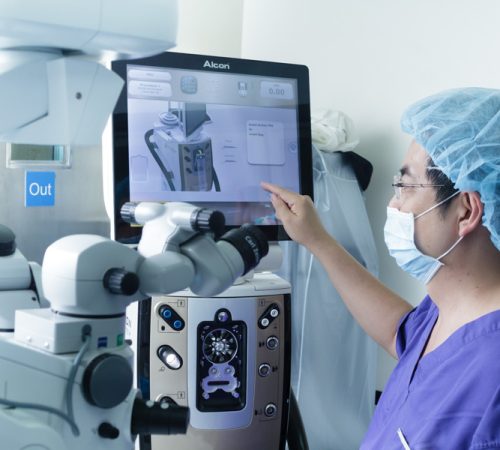
The institute is equipped with advanced ophthalmic instruments and modern operating theaters capable of handling both routine and complex eye procedures. Patients benefit from a supportive environment that emphasizes comfort, efficiency, and compassionate care. With three convenient locations in Makati, Manila, and Quezon City, PELI makes expert uveitis treatment accessible across Metro Manila.
Tips to Protect Eye Health and Support Uveitis Treatment
Maintaining eye health and supporting uveitis treatment involves awareness, proactive care, and following medical guidance. Patients are encouraged to schedule regular eye checkups, especially if they have autoimmune conditions or other risk factors. Early recognition of symptoms allows timely intervention, which can significantly reduce the risk of vision loss. Adhering to prescribed medications, attending follow-up appointments, and monitoring for recurrent signs are essential for successful long-term outcomes. Lifestyle factors, such as maintaining overall health, managing chronic illnesses, and avoiding eye strain, can complement uveitis treatment and help maintain vision clarity.
Patient-Centered Approach at Peregrine Eye and Laser Institute
PELI combines advanced medical care with a patient-centered approach. The team focuses on providing treatments that are both effective and comfortable, prioritizing each patient’s unique needs. Staff members are highly trained and regularly update their skills to ensure top-quality service. Clinics are designed to be welcoming, with systems in place to make appointments and treatments smooth and convenient.
Every uveitis treatment plan is developed collaboratively, with ophthalmologists providing clear explanations, options, and guidance. This approach empowers patients to make informed decisions about their care while ensuring they receive effective treatment to protect their vision.
Takeaway
Uveitis can pose a serious threat to vision if not managed promptly. Recognizing symptoms early and seeking expert care is the best strategy to prevent complications and maintain eye health. Peregrine Eye and Laser Institute offers comprehensive uveitis treatment with a team of internationally trained ophthalmologists, state-of-the-art equipment, and a patient-focused approach. Patients receive not only expert medical care but also personalized support throughout their treatment journey. Scheduling a consultation with PELI ensures access to advanced uveitis treatment in Metro Manila, helping protect your vision for the long term.
Frequently Asked Questions About Uveitis Treatment
What is the most effective uveitis treatment?
The most effective uveitis treatment depends on the cause. Non-infectious cases often respond to corticosteroids or immunomodulatory therapy, while infectious uveitis requires antibiotics or antivirals. Early diagnosis and treatment are essential for the best outcomes.
Can uveitis cause permanent blindness?
Yes, untreated uveitis can lead to permanent vision loss due to damage to the uvea, retina, or other eye structures. Prompt treatment significantly reduces this risk.
How long does uveitis treatment take?
Treatment duration varies based on the severity and type of uveitis. Acute cases may resolve in a few weeks, while chronic or recurrent cases may require ongoing management for months or years.
What should I do if I notice symptoms of uveitis?
Schedule an appointment with an ophthalmologist immediately. Early evaluation and uveitis treatment prevent complications and protect long-term vision.
Can uveitis recur after treatment?
Yes, uveitis can recur, especially in patients with autoimmune conditions. Regular follow-ups and adherence to treatment plans help manage recurrence and maintain eye health.
Is uveitis treatment painful?
Most uveitis treatments, such as eye drops or oral medications, are not painful. Some injections may cause minor discomfort, but ophthalmologists ensure patient comfort during procedures.