Healthy vision is essential for a child’s learning, play, and overall development. Pediatric Eye Care specializes in detecting, managing, and treating vision problems unique to children. Early attention to eye health ensures that potential issues are addressed before they interfere with daily life. Peregrine Eye and Laser Institute in Metro Manila provides expert Pediatric Eye Care, combining advanced technology with personalized service to help children see the world clearly.
Children’s eyes face challenges different from adults. Conditions such as blurred vision, crossed eyes (strabismus), congenital cataracts, and pediatric glaucoma require specialized attention. Some children are born prematurely with eyes that have not fully developed. Pediatric Eye Care focuses on identifying these issues early, giving children the best chance for healthy visual development and preventing long-term complications.
Common Vision Problems in Children
Pediatric Eye Care addresses a wide spectrum of conditions. Refractive errors, including nearsightedness, farsightedness, and astigmatism, are common and can affect learning and confidence. Children with uncorrected vision problems may struggle with reading, writing, and participating in sports.
Strabismus occurs when the eyes are misaligned, leading to depth perception problems. Untreated strabismus can cause amblyopia, commonly known as lazy eye, where one eye becomes weaker than the other. Early intervention can restore alignment and prevent vision loss.
Some children may be born with cataracts or develop pediatric glaucoma, which involves increased pressure in the eye that can damage the optic nerve. Prompt diagnosis and treatment are critical to preserving vision. Pediatric Eye Care also focuses on premature infants whose eyes may be underdeveloped at birth, requiring specialized monitoring and care.
Signs Your Child May Need an Eye Exam
Parents play a key role in identifying potential vision problems. Pediatric Eye Care specialists recommend scheduling an eye exam if children display signs such as frequent squinting, tilting the head, or covering one eye. Complaints of blurred vision, headaches, difficulty reading, or trouble following objects visually should prompt professional evaluation.
Behavioral signs at school or during play, such as losing track of a ball in sports or struggling with handwriting, can indicate vision issues. Pediatric Eye Care ensures these warning signs are addressed before they impact a child’s academic and social development.
Pediatric Eye Exams: What to Expect
Pediatric Eye Care exams are tailored to a child’s age and developmental stage. Eye specialists begin with visual acuity tests to assess how clearly a child can see. Eye alignment and movement tests detect strabismus or coordination problems. Color vision testing and evaluation of focusing ability provide a comprehensive understanding of visual health.
Advanced diagnostic tools at Peregrine Eye and Laser Institute allow specialists to examine internal eye structures such as the retina, cornea, and optic nerve. Some exams may require the use of eye drops or specialized lenses to ensure accurate results. Pediatric Eye Care ensures that exams are comfortable, child-friendly, and thorough.
Treatments Offered in Pediatric Eye Care
Treatment in Pediatric Eye Care is customized to the child’s condition and age. Prescription glasses correct refractive errors, improving clarity and reducing eye strain. Patching therapy strengthens the weaker eye in cases of amblyopia, helping restore balanced vision.
Surgical interventions may be necessary for congenital cataracts, strabismus, or structural abnormalities of the eye. Pediatric Eye Care also uses medications and eye drops to treat infections, inflammation, or glaucoma. Vision therapy, including exercises to improve eye coordination and focusing ability, supports long-term visual development.
At Peregrine Eye and Laser Institute, each child receives a treatment plan designed to deliver effective results while maintaining comfort and minimizing stress.
Why Early Detection Matters
Early detection is a cornerstone of Pediatric Eye Care. Many vision problems do not present obvious symptoms, making regular eye exams essential. Identifying issues early allows specialists to prevent permanent vision loss and support normal visual development.
Conditions such as amblyopia respond best to treatment when detected early. Strabismus can be corrected more effectively with timely intervention. Congenital cataracts, if addressed promptly, allow a child to achieve proper vision before developmental milestones are missed. Pediatric Eye Care emphasizes early intervention to maximize positive outcomes.
Peregrine Eye and Laser Institute Advantage
Peregrine Eye and Laser Institute in Metro Manila combines expertise, technology, and compassionate care. Established in 2013 by Mr. Jimmy Tan, Dr. Harvey Uy, and Dr. Pik Sha Chan Uy, the institute is committed to providing world-class Pediatric Eye Care.
The team includes ophthalmologists trained at prestigious institutions such as Harvard Medical School, Johns Hopkins University, UCLA, and Singapore National Eye Center. Their clinical experience spans decades, allowing them to manage both simple and complex pediatric eye cases effectively.
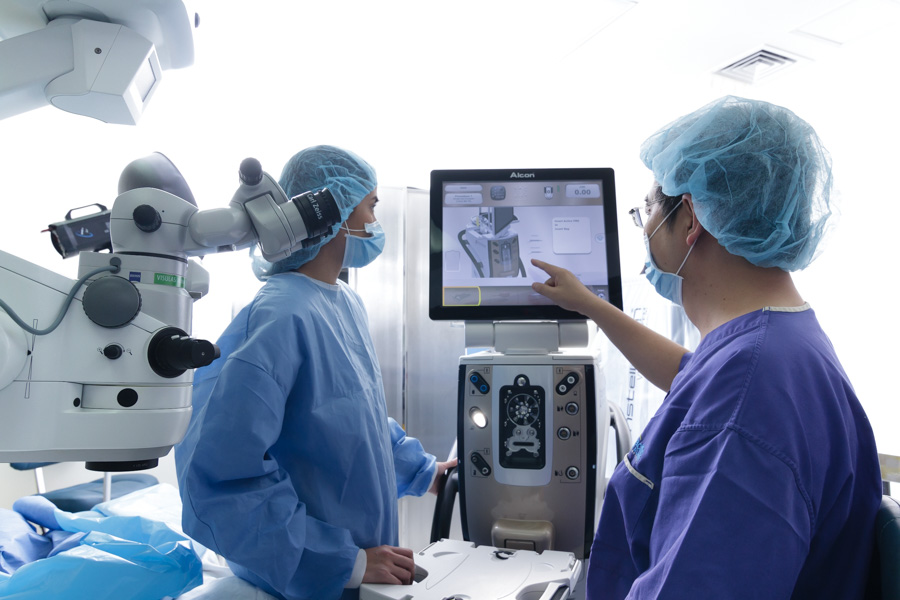
Peregrine Eye and Laser Institute’s facilities in Makati, Manila, and Quezon City are equipped with state-of-the-art diagnostic tools and operating theaters. Clinics are designed to be welcoming and comfortable for children, while IT systems streamline scheduling and patient management. Pediatric Eye Care at Peregrine is delivered in an environment that balances professional expertise with a child-friendly approach.
Tips for Parents to Support Healthy Vision
Parents can take proactive steps to support their child’s vision. Regular eye exams, starting from infancy and continuing through adolescence, are essential. Observing behaviors such as squinting, rubbing eyes, or avoiding close-up work can provide early indicators of vision problems.
Encouraging outdoor activities reduces the risk of myopia progression, while limiting excessive screen time helps maintain eye health. A balanced diet rich in vitamins A, C, and E supports overall visual development. Pediatric Eye Care works best when combined with attentive home practices that promote healthy eyes.
Pediatric Eye Care: A Lifelong Investment
Investing in Pediatric Eye Care ensures children develop the visual skills necessary for learning, sports, and everyday activities. Early diagnosis and treatment prevent irreversible vision problems and contribute to confidence, academic performance, and quality of life.
Peregrine Eye and Laser Institute offers a comprehensive approach to pediatric vision, combining advanced medical care with personalized attention. Children who receive expert care today are better equipped for a lifetime of clear, healthy vision.
FAQ: Pediatric Eye Care
How often should my child have an eye exam?
Children should have an initial eye screening within the first year, followed by regular exams every 1–2 years. Children with detected vision issues may need more frequent checkups.
Can children outgrow vision problems?
Some refractive errors may change with growth, but conditions such as amblyopia, strabismus, or congenital cataracts require timely intervention to ensure effective treatment.
Are pediatric eye surgeries safe?
Yes, surgeries performed by experienced specialists using modern techniques are safe. Pediatric Eye Care surgeries often result in excellent recovery and improved vision.
What are warning signs that my child may need Pediatric Eye Care?
Watch for squinting, tilting the head, covering one eye, blurred vision, frequent headaches, or difficulties with schoolwork and sports.
How does Peregrine Eye and Laser Institute make eye exams comfortable for children?
Peregrine Eye and Laser Institute uses gentle, child-friendly techniques, clear explanations, and a supportive staff to make exams stress-free for both children and parents.