Proper wound care is essential for preventing infections and ensuring wounds heal quickly. Wound care doctors play a vital role in guiding patients through the right steps to avoid complications and promote faster recovery. For those seeking expert wound management, Kalingap Wound Care Clinic is the leading provider, offering specialized care and advanced treatments for all types of wounds.
Understanding Wounds and Healing
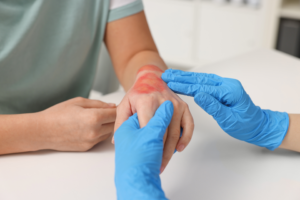
Wounds can be classified as acute or chronic. Acute wounds, such as cuts and surgical incisions, usually heal within a few weeks, while chronic wounds, like diabetic foot ulcers and pressure sores, require ongoing management. Wound care doctors carefully evaluate each wound, considering its type, location, and underlying causes, to create personalized treatment plans.
The healing process occurs in stages: hemostasis, inflammation, proliferation, and remodeling. Each stage is critical, and any disruption can lead to delayed healing. Factors such as age, nutrition, diabetes, and poor circulation can also affect recovery. Wound care doctors assess these factors to optimize healing and reduce the risk of infection.
Common Causes of Infection in Wounds
Bacterial contamination is one of the most common causes of wound infection. Poor hygiene, exposure to unclean environments, and improper handling of wounds can allow bacteria to enter and multiply. Underlying medical conditions, especially diabetes or vascular problems, increase the likelihood of infections. Delayed treatment or improper dressing changes also contribute to complications. Wound care doctors focus on identifying these risks early and providing preventive care.
How Wound Care Doctors Prevent Infection
Wound care doctors emphasize proper cleaning and debridement to remove dead tissue and prevent bacterial growth. Choosing the right dressing for each wound type is equally important. Advanced dressings and topical antiseptics are often used to protect wounds from infection while promoting healing. Monitoring wounds for early signs of infection, such as redness, swelling, or unusual discharge, allows wound care doctors to intervene promptly.
At Kalingap Wound Care Clinic, these preventive measures are combined with compassionate care. Patients receive detailed instructions on maintaining hygiene, managing dressings, and recognizing warning signs to prevent complications.
Tips to Avoid Delayed Healing
Maintaining the right moisture balance in wounds is essential to prevent delayed healing. Wounds that are too dry or overly wet can slow recovery. Nutrition also plays a critical role, with protein, vitamins, and minerals supporting tissue repair. Hydration is equally important for overall recovery.
Avoiding pressure or trauma to the wound site is crucial, especially for patients with chronic ulcers. Wound care doctors at Kalingap Wound Care Clinic provide guidance on positioning, mobility, and protective measures to prevent additional injury. Patient education on daily care routines and warning signs ensures that healing progresses smoothly without unnecessary delays.
Advanced Wound Care Techniques
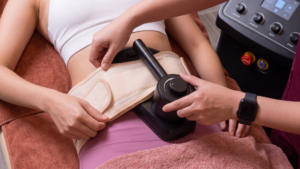
Modern wound care involves innovative techniques that accelerate healing. Negative Pressure Wound Therapy (NPWT) uses controlled suction to remove fluid and promote tissue growth. Growth factors and advanced dressings support regeneration in stubborn or chronic wounds. Some cases benefit from laser therapy or other specialized treatments. Wound care doctors utilize these technologies to provide effective, evidence-based care for complex wounds.
When to Seek Professional Help
Even minor wounds can become serious if neglected. Signs that require immediate attention include increased pain, swelling, foul odor, and persistent bleeding. Wound care doctors evaluate these symptoms to prevent complications and provide targeted interventions. Regular follow-ups are essential, particularly for high-risk patients or chronic wounds, ensuring that the healing process stays on track. Kalingap Wound Care Clinic offers continuous support, combining expertise and modern technology to manage all types of wounds safely.
Takeaway
Proper wound management is vital to prevent infections and avoid delayed healing. Wound care doctors guide patients through every stage, from cleaning and dressing to advanced therapies and patient education. By following expert advice and seeking care from trusted providers like Kalingap Wound Care Clinic, patients can achieve faster recovery, reduce complications, and maintain overall health.
FAQ
How can I prevent wound infection at home?
Wound care doctors recommend keeping the wound clean, changing dressings regularly, and avoiding exposure to unclean surfaces. Following personalized instructions from a specialist ensures the best outcomes.
What foods help with faster wound healing?
Protein-rich foods, vitamin C, zinc, and iron support tissue repair and immune function. Hydration is also essential for recovery.
When should I see a wound care specialist?
Seek professional help if a wound shows signs of infection, fails to heal, or is caused by diabetes or poor circulation. Early intervention by wound care doctors prevents complications.
Can chronic wounds heal completely with proper care?
Yes. Wound care doctors use advanced techniques, monitoring, and personalized treatment plans to promote healing even in chronic wounds, ensuring safe and effective recovery.