A broken bone does not always heal properly with a cast, splint, or rest alone. Some fractures become displaced, unstable, or complicated enough to require surgical treatment. Open Reduction and Internal Fixation is one of the established surgical approaches used to restore the position of fractured bones and provide internal stability while healing takes place.
Understanding Open Reduction and Internal Fixation can help patients and families make informed decisions when an orthopedic specialist recommends surgery. The procedure combines two important steps: restoring the broken bone to its appropriate alignment and securing it with fixation devices such as plates, screws, or rods.
For people seeking an orthopedic doctor Bicol patients can consult, Lao Orthopedic Clinic provides orthopedic assessment and treatment for a range of bone, joint, and musculoskeletal conditions. Understanding what happens before, during, and after Open Reduction and Internal Fixation can help patients know what to expect from their fracture care.
What Is Open Reduction and Internal Fixation?
Open Reduction and Internal Fixation, commonly abbreviated as ORIF, is a surgical procedure used to treat certain fractures that cannot be adequately managed with non-surgical methods.
The term describes two parts of the procedure. “Open reduction” refers to surgically accessing the fracture so the orthopedic surgeon can reposition the broken bone fragments into a more appropriate alignment. “Internal fixation” refers to the use of medical hardware to hold the bone in position while it heals.
Depending on the fracture, fixation may involve plates, screws, rods, nails, or other orthopedic devices. The appropriate technique depends on factors such as the location of the fracture, the number and position of bone fragments, the stability of the injury, and the patient’s overall condition.
Not every fracture requires Open Reduction and Internal Fixation. Many broken bones can heal with casting, splinting, bracing, or other conservative treatments. Surgery is generally considered when the fracture requires more precise alignment or additional stability to support healing.
An orthopedic doctor Bicol patients trust can assess the injury and determine which treatment approach is most appropriate based on clinical examination and imaging.
When Is Open Reduction and Internal Fixation Recommended?
The decision to perform Open Reduction and Internal Fixation depends on the characteristics of the fracture. An orthopedic surgeon may recommend the procedure when the bone fragments have moved significantly from their normal position or when the fracture is unlikely to remain stable with a cast or brace alone.
Situations that may require Open Reduction and Internal Fixation include:
- Displaced fractures
- Unstable fractures
- Complex fractures involving multiple bone fragments
- Fractures extending into a joint
- Certain open fractures
- Fractures that cannot be properly aligned without surgery
- Fractures that lose alignment after closed treatment
- Certain fractures that have failed to heal appropriately
A fracture involving a joint may require particularly careful treatment because proper alignment can be important for maintaining joint function. Other fractures may require fixation because the bone is difficult to keep in the correct position using external support alone.
Patients should not assume that a particular type of fracture automatically requires surgery. An orthopedic doctor Bicol patients consult can evaluate the specific injury and explain whether Open Reduction and Internal Fixation or another treatment option is appropriate.
How Does an Orthopedic Doctor Determine If Open Reduction and Internal Fixation Is Necessary?
A treatment recommendation begins with a detailed assessment. The orthopedic specialist evaluates the injury, examines the affected area, and reviews diagnostic images.
Physical Examination
The orthopedic doctor may evaluate swelling, tenderness, deformity, range of motion, sensation, and circulation. The examination also helps identify potential injuries to surrounding muscles, nerves, blood vessels, or other tissues.
Imaging Tests
X-rays are commonly used to determine the location and alignment of a fracture. Additional imaging may sometimes be recommended when more detailed information about the bone or joint is needed.
Imaging helps the orthopedic surgeon understand the fracture pattern and determine whether the bone can be successfully managed with non-surgical treatment or may benefit from Open Reduction and Internal Fixation.
Overall Patient Assessment
The patient’s age, general health, activity level, medical history, and expected functional needs may also be considered. The surgeon weighs the potential benefits and risks of different treatment approaches before developing an individualized plan.
What Happens During Open Reduction and Internal Fixation?
The exact steps involved in Open Reduction and Internal Fixation vary according to the location and complexity of the fracture. However, the procedure generally follows several stages.
Preoperative Preparation
Before surgery, the orthopedic team reviews the patient’s medical history, medications, allergies, imaging results, and overall health. The patient also receives instructions about preparing for the procedure.
Anesthesia
Appropriate anesthesia is administered to help prevent pain during surgery. The type of anesthesia depends on the procedure, patient’s condition, and anesthesiologist’s assessment.
Open Reduction
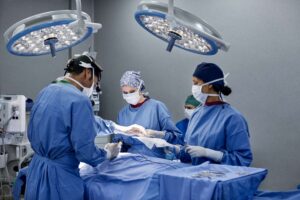
During the surgical portion of Open Reduction and Internal Fixation, the orthopedic surgeon accesses the fractured area and carefully repositions the bone fragments.
The objective is to restore the appropriate alignment of the bone as closely as possible based on the characteristics of the injury.
Internal Fixation
Once the bone fragments are positioned, fixation devices are used to stabilize them. Depending on the fracture, the surgeon may use plates, screws, rods, or other appropriate hardware.
The fixation helps maintain stability while the body’s natural bone-healing process takes place.
Closing the Incision
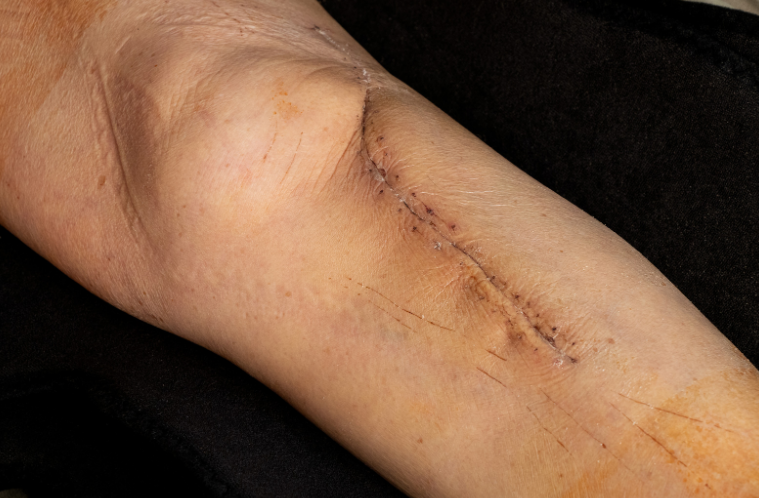
After the fracture has been stabilized, the surgical area is closed and dressed. The patient is then monitored during the initial recovery period.
What Devices Are Used for Internal Fixation?
One of the important parts of Open Reduction and Internal Fixation is choosing the appropriate fixation method. Different fractures require different types of stabilization.
Plates and Screws
Plates can be positioned along the surface of a bone and secured using screws. This method can provide stable support for various types of fractures.
Intramedullary Rods or Nails
Certain fractures involving long bones may be treated with an intramedullary rod or nail. This device is positioned within the central canal of the bone and can provide internal support.
Screws
Screws may be used alone or together with plates and other fixation devices. Their placement depends on the fracture pattern and the surgeon’s treatment plan.
The choice of hardware is not simply based on preference. The orthopedic surgeon considers the anatomy, fracture pattern, bone quality, and stability required for healing.
Which Fractures May Require Open Reduction and Internal Fixation?
Open Reduction and Internal Fixation can be used to treat different types of fractures throughout the body. The procedure may be considered for fractures involving areas such as the wrist, forearm, arm, ankle, leg, and other parts of the musculoskeletal system.
Fractures that are displaced, unstable, or particularly complex may require more secure stabilization. Fractures involving joints may also need careful alignment to support proper function.
Orthopedic trauma care is an important part of evaluating these injuries. Patients in Bicol who have experienced a significant injury can seek assessment from an orthopedic doctor Bicol patients can consult for professional evaluation.
What Are the Benefits of Open Reduction and Internal Fixation?
The primary objective of Open Reduction and Internal Fixation is to restore the bone’s alignment and provide stability during the healing process.
Potential benefits may include:
- Restoring alignment of displaced bone fragments
- Providing internal stability
- Supporting the body’s natural healing process
- Helping maintain alignment of certain fractures involving joints
- Supporting earlier controlled movement when appropriate
- Helping reduce complications associated with significant fracture displacement
The expected benefits depend on the individual injury. Open Reduction and Internal Fixation does not guarantee a particular recovery time or outcome, and patients should follow the treatment plan provided by their orthopedic team.
What to Expect After Open Reduction and Internal Fixation
Recovery following Open Reduction and Internal Fixation is an important part of the overall treatment process. Surgery addresses the fracture, but healing continues for weeks or months afterward.
Managing Pain and Swelling
Some pain and swelling can be expected following surgery. The orthopedic team may provide medication and specific instructions for managing discomfort.
Keeping the affected area protected and elevated when recommended may also help with swelling.
Protecting the Surgical Area
Patients may receive instructions regarding wound care, activity restrictions, weight-bearing, and movement. These instructions are important because excessive stress on the healing bone or surgical site can interfere with recovery.
Attending Follow-Up Appointments
Follow-up appointments allow the orthopedic surgeon to monitor the patient’s progress. X-rays or other imaging may be performed to evaluate bone alignment and healing.
Patients should attend scheduled appointments even when pain has improved because bone healing and functional recovery need to be assessed over time.
Rehabilitation and Physical Therapy
Rehabilitation may form an important part of recovery following Open Reduction and Internal Fixation. Depending on the injury, rehabilitation can help restore movement, strength, flexibility, balance, and function.
The timing and type of exercises depend on the specific fracture and the surgeon’s recommendations.
How Long Does Recovery From Open Reduction and Internal Fixation Take?
There is no single recovery timeline for Open Reduction and Internal Fixation. Different bones and fracture patterns heal at different rates.
Recovery can be influenced by:
- Location of the fracture
- Severity of the injury
- Number of bone fragments
- Bone quality
- Patient’s age and general health
- Surgical technique
- Presence of other injuries
- Compliance with weight-bearing and activity restrictions
- Participation in recommended rehabilitation
Some patients may gradually resume activities as healing progresses, while others require a longer period of protection and rehabilitation.
Patients should avoid comparing their recovery with someone else’s experience. An orthopedic doctor Bicol patients consult can provide guidance based on the specific fracture and surgical treatment.
What Are the Possible Risks and Complications?
Although Open Reduction and Internal Fixation can provide important stabilization for appropriate fractures, surgery carries potential risks.
Possible complications may include infection, bleeding, blood clots, nerve or blood vessel injury, wound-healing problems, hardware irritation, delayed bone healing, nonunion, malalignment, joint stiffness, or persistent pain.
The risk varies depending on the type of fracture, patient’s health, surgical procedure, and other circumstances.
Patients should discuss their individual risks and expected benefits with their orthopedic surgeon before undergoing Open Reduction and Internal Fixation.
After surgery, symptoms such as increasing pain, significant swelling, fever, wound drainage, changes in sensation, or other concerning changes should be reported to the healthcare team promptly.
Open Reduction and Internal Fixation vs. Non-Surgical Fracture Treatment
Not every broken bone needs an operation. Treatment depends on whether the fracture can heal in an appropriate position with non-surgical management.
Casting or splinting may be appropriate for fractures that are sufficiently stable and well aligned. Bracing can also be used for selected injuries. Some fractures may be realigned through a closed reduction procedure without making a surgical incision.
Open Reduction and Internal Fixation may be selected when the fracture requires direct surgical realignment and internal stabilization.
The important point is that treatment should be based on the individual fracture rather than a general assumption that surgery is always better or that surgery should always be avoided.
An experienced orthopedic doctor Bicol patients can consult can explain the advantages and limitations of each suitable treatment option.
Why Choosing the Right Orthopedic Specialist Matters
Fracture treatment involves more than simply putting a broken bone back together. Proper assessment, treatment planning, surgical technique when required, and follow-up care all contribute to the patient’s recovery.
When considering an orthopedic specialist, patients may want to look at the physician’s training, experience with orthopedic trauma, areas of specialization, available facilities, communication style, and approach to follow-up care.
For patients who require Open Reduction and Internal Fixation, choosing an orthopedic specialist experienced in fracture and trauma care can provide an opportunity to discuss the injury and available treatment options in detail.
Orthopedic Fracture Care at Lao Orthopedic Clinic
Lao Orthopedic Clinic provides orthopedic care for patients in the Bicol region. The clinic is associated with Dr. Lawrence Lao, whose orthopedic training includes orthopedic traumatology as well as advanced training in hip and knee reconstruction and sports surgery and arthroscopy.
Orthopedic traumatology involves the evaluation and treatment of injuries affecting the bones, joints, and supporting structures. This area of orthopedic care is particularly relevant when patients experience fractures following accidents, falls, sports injuries, or other forms of trauma.
Patients considering Open Reduction and Internal Fixation can discuss their condition with an orthopedic specialist and learn whether surgical or non-surgical treatment is appropriate.
Lao Orthopedic Clinic has consulting locations that include NICC Doctors Hospital in Naga, ACE Medical Center Legazpi, and Unihealth Medical and Surgical Clinic in Goa, Camarines Sur. Patients can contact the clinic to inquire about consultation schedules and available orthopedic services.
When Should You See an Orthopedic Doctor for a Broken Bone?
A significant injury should not be ignored simply because swelling or pain may eventually improve. Some fractures require timely evaluation to determine whether the bone is properly aligned and stable.
Seek professional medical assessment after an injury when there is:
- Severe or persistent pain
- Significant swelling
- Visible deformity
- Difficulty moving the affected body part
- Inability to put weight on an injured leg or foot
- Numbness or unusual sensations
- Changes in skin color or temperature
- An open wound near the suspected fracture
- Visible bone
- Increasing symptoms after an initial injury
A suspected serious fracture may require urgent medical attention. Prompt evaluation allows an orthopedic specialist to identify the injury and determine an appropriate treatment plan.
Get Professional Evaluation for Fractures That May Need Stable Repair
A fracture can affect more than the bone itself. When the injury is displaced or unstable, appropriate alignment and stabilization can be important for the healing process and eventual function of the affected body part. Open Reduction and Internal Fixation provides orthopedic surgeons with a method for surgically restoring alignment and securing selected fractures with internal fixation devices.
Treatment should always be based on the patient’s individual injury. Some fractures heal effectively without surgery, while others may require Open Reduction and Internal Fixation or another surgical approach.
If you have experienced a significant injury, persistent pain, deformity, loss of movement, or other symptoms that may indicate a fracture, professional assessment is important. Consulting an orthopedic doctor Bicol patients can access through Lao Orthopedic Clinic can help you understand the condition and the treatment options available for your specific needs.
Frequently Asked Questions About Open Reduction and Internal Fixation
Is Open Reduction and Internal Fixation necessary for every fracture?
No. Many fractures can be treated without surgery using methods such as casting, splinting, bracing, or other conservative approaches. Open Reduction and Internal Fixation may be recommended when a fracture is displaced, unstable, complex, or otherwise unlikely to heal properly with non-surgical treatment alone.
Is Open Reduction and Internal Fixation painful?
Anesthesia is used during Open Reduction and Internal Fixation to prevent pain during the procedure. Some discomfort can occur during the postoperative recovery period, and the healthcare team provides appropriate pain-management instructions based on the patient’s needs.
Do plates and screws need to be removed after Open Reduction and Internal Fixation?
Not necessarily. Internal fixation hardware can often remain in place after the bone has healed. Removal may sometimes be considered if the hardware causes specific problems or if there is another medical reason. Patients should discuss hardware removal with their orthopedic surgeon rather than assuming it is routinely required.
How soon can I walk after Open Reduction and Internal Fixation?
The timing of weight-bearing depends on the fracture, the fixation method, bone healing, and the surgeon’s instructions. Some patients may be allowed controlled weight-bearing relatively early, while others need to avoid putting weight on the affected limb for a longer period.
Will I need physical therapy after Open Reduction and Internal Fixation?
Rehabilitation is commonly included in recovery for many orthopedic injuries, but the specific program varies. Physical therapy may help patients regain strength, flexibility, mobility, and function when it is appropriate for their injury.
How do I know whether my fracture needs Open Reduction and Internal Fixation?
An orthopedic specialist evaluates the fracture using a physical examination and appropriate imaging. The decision depends on factors such as fracture location, alignment, stability, involvement of a joint, and the patient’s overall condition.
How can an orthopedic doctor in Bicol help with fracture treatment?
An orthopedic doctor Bicol patients consult can assess a suspected fracture, review diagnostic images, explain treatment options, and provide appropriate follow-up. Depending on the injury, treatment may involve conservative care, rehabilitation, or surgical procedures such as Open Reduction and Internal Fixation.
Where can I seek consultation for fracture care in Bicol?
Patients seeking orthopedic assessment in Bicol can contact Lao Orthopedic Clinic to inquire about consultation availability and locations. The clinic provides orthopedic services for various bone, joint, and musculoskeletal conditions.