Proper wound care plays an important role in protecting the body from infection and supporting tissue repair. While many minor wounds can improve with basic care, some wounds become complicated because of dead tissue, infection, poor circulation, pressure, diabetes, or other health factors. When nonviable tissue interferes with the healing process, healthcare professionals may recommend wound debridement as part of an individualized treatment plan. Wound Debridement Philippines is therefore an important search topic for patients and families looking for professional solutions for difficult-to-heal wounds. Debridement focuses on removing tissue that is no longer viable or that interferes with appropriate wound management. The procedure can be performed using different techniques depending on the wound and the patient’s overall condition. Understanding how debridement works can help patients make informed decisions when discussing wound treatment with a qualified healthcare professional.
What Is Wound Debridement?
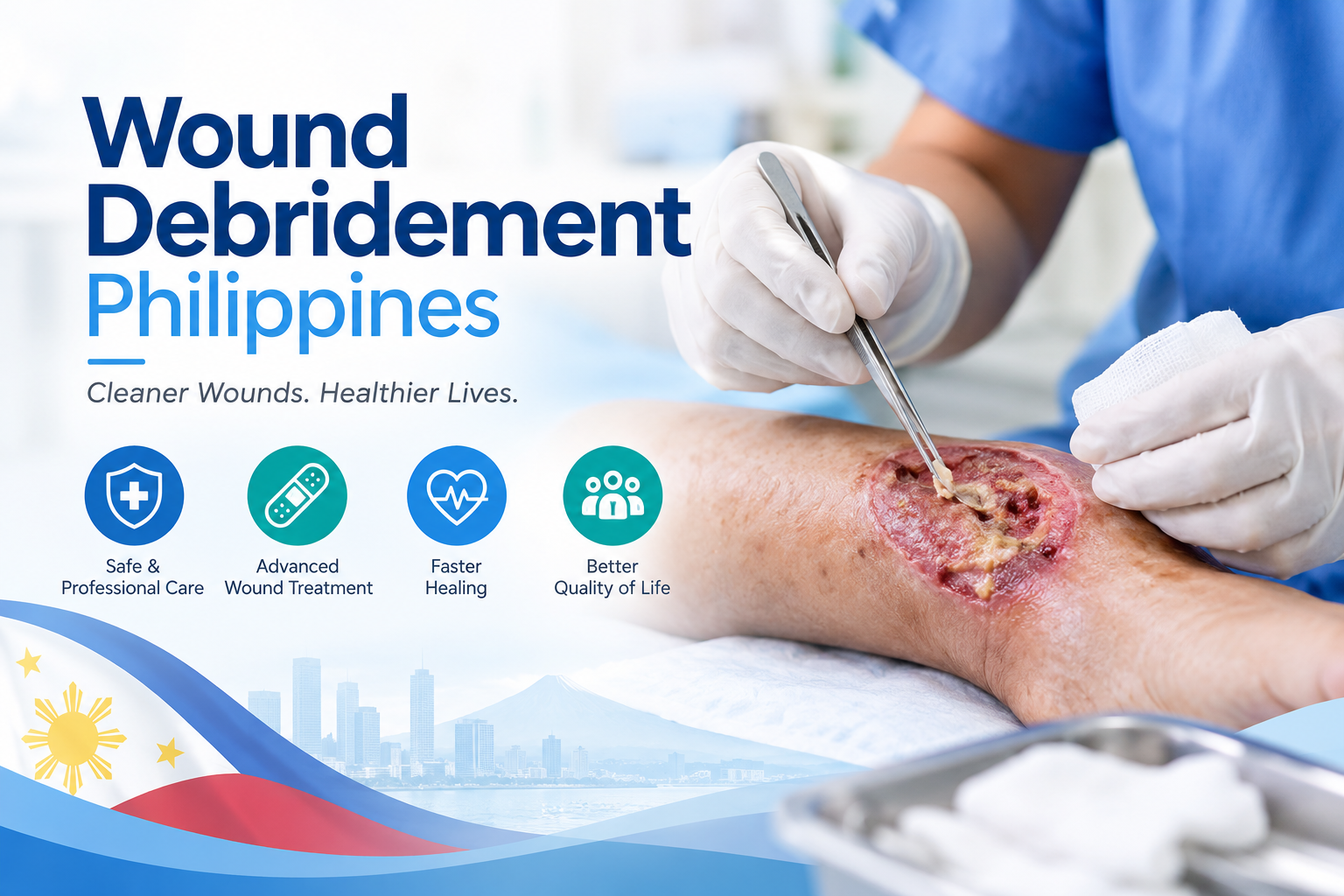
Wound debridement is a medical procedure that involves removing dead, damaged, infected, or nonviable tissue from a wound. The purpose is to help create a wound environment that can be properly evaluated and managed. Nonviable tissue can interfere with healing and may make it difficult to determine the actual condition and depth of a wound. It can also contribute to conditions that allow microorganisms to persist within the wound. (ncbi.nlm.nih.gov) Depending on the wound, a healthcare professional may use sharp, surgical, mechanical, enzymatic, autolytic, or biological techniques. The choice is not based simply on the appearance of the wound because circulation, infection, tissue characteristics, pain, and other medical factors must also be considered. Professional assessment is particularly important when a wound is chronic, deep, infected, or associated with another medical condition. For individuals researching Wound Debridement Philippines, understanding this individualized approach is an important first step.
Why Dead or Damaged Tissue Can Delay Healing
Healthy wound healing requires an appropriate environment where viable tissue can repair itself over time. Dead or damaged tissue can interfere with this process by occupying space that would otherwise support healthy tissue development. Necrotic material may also make it more difficult for healthcare professionals to determine the condition of the wound bed. In certain circumstances, devitalized tissue can contribute to bacterial burden and make infection management more challenging. (ncbi.nlm.nih.gov) Wounds that remain open for an extended period may therefore require repeated evaluation to determine whether tissue removal is appropriate. However, removing tissue without proper assessment can also cause unnecessary injury if viable tissue is mistaken for damaged tissue. This is why professional wound assessment should come before any invasive debridement procedure. The goal is not simply to remove as much tissue as possible, but to remove appropriate nonviable tissue while protecting viable structures.
Different Wound Debridement Methods
There are several approaches that healthcare professionals can use when debridement is indicated. Sharp debridement involves the use of appropriate medical instruments to remove selected nonviable tissue. Surgical debridement may involve a more extensive procedure and can be considered when a larger amount of damaged tissue needs to be removed quickly. Mechanical debridement uses physical methods to help remove unwanted tissue and material, although certain mechanical techniques may not distinguish perfectly between healthy and nonviable tissue. Autolytic debridement relies on the body’s own processes to break down devitalized tissue under appropriate wound-care conditions. Enzymatic debridement uses specific topical agents that assist in breaking down certain types of nonviable tissue. Biological debridement is another specialized approach that uses biological organisms or agents to selectively remove necrotic material. The healthcare provider must determine which method is suitable based on the wound’s characteristics, patient safety, treatment goals, and available clinical resources.
Wounds That May Benefit From Professional Debridement
Not every wound requires debridement, but certain wounds may develop tissue that interferes with healing. Chronic wounds can remain open for long periods and may develop necrotic tissue or slough. Diabetic foot wounds can be particularly complex because diabetes may affect circulation, sensation, immune response, and tissue repair. Pressure injuries can also result in significant tissue damage when prolonged pressure reduces blood flow to an area. Traumatic injuries may contain damaged tissue or contamination that requires professional assessment and treatment. Some surgical wounds may experience complications that affect normal healing and require additional wound management. Burns and other complex wounds can also require specialized evaluation depending on their depth and severity. Because different wounds have different causes and characteristics, a healthcare professional must evaluate the specific wound before deciding whether debridement should be performed.
Assessing a Wound Before Treatment
A detailed wound assessment helps healthcare professionals determine the most appropriate course of action. The wound may be evaluated for its size, depth, location, tissue type, drainage, odor, surrounding skin, and signs of infection. Blood circulation is also an important consideration because poor perfusion can significantly affect the body’s ability to heal. The healthcare professional may also review the patient’s medical history and identify conditions that can affect healing. Diabetes, vascular disease, immune problems, nutritional deficiencies, and certain medications may influence the treatment approach. The patient’s risk of bleeding and ability to tolerate pain may also be considered before selecting a debridement technique. In some situations, additional diagnostic evaluation may be appropriate before treatment begins. A careful assessment helps reduce unnecessary risks and ensures that the treatment plan addresses the actual cause and condition of the wound.
What Happens During a Debridement Procedure?
The exact experience depends on the type of debridement being performed and the condition of the wound. The healthcare professional generally begins by assessing the wound and explaining the proposed treatment. Pain-control measures may be considered based on the procedure and the patient’s needs. With sharp debridement, specialized instruments are used to carefully remove selected nonviable tissue. More extensive surgical procedures may require a controlled medical setting and appropriate anesthesia or pain management. After tissue removal, the wound may be cleansed and covered with an appropriate dressing based on the treatment plan. Some patients may need additional debridement sessions as the wound changes and new nonviable tissue becomes identifiable. Patients should communicate discomfort, unusual bleeding, or other unexpected symptoms to the healthcare professional during treatment.
Potential Benefits of Proper Debridement
When clinically appropriate, debridement can help remove tissue that is preventing effective wound management. Removing nonviable material may allow the healthcare professional to see the wound bed more clearly and evaluate the condition of underlying tissue. It can also help reduce certain forms of wound burden and may support a more suitable environment for subsequent wound-care measures. Debridement can therefore be an important component of wound-bed preparation. It may also make it easier for healthcare professionals to monitor changes in the wound over time. However, debridement alone does not address every factor that can delay healing. A patient may still need appropriate dressings, pressure management, infection treatment, nutritional support, circulation assessment, or management of an underlying condition. Effective wound care is therefore best approached as an ongoing process rather than as a single procedure.
Important Safety Considerations
Debridement must be performed carefully because the procedure can cause bleeding, pain, or damage to viable tissue if it is performed incorrectly. Blood supply is especially important when determining whether certain tissue should be removed. If circulation is significantly impaired, aggressive tissue removal may not be appropriate until the vascular problem has been evaluated. A stable, dry eschar may sometimes be left intact in specific circumstances while circulation and other clinical factors are assessed. Patients who take anticoagulant medications or have bleeding disorders may also require special consideration. Wound location and proximity to important structures can further affect the safety of certain techniques. These factors demonstrate why debridement should not be performed as a do-it-yourself treatment. Anyone researching Wound Debridement Philippines should prioritize qualified medical care and individualized wound evaluation.
Caring for a Wound After Debridement
After the procedure, the wound generally requires continued care to support the healing process. A healthcare professional may provide specific instructions about dressing changes, wound cleansing, activity, and protection of the affected area. The type of dressing used may depend on drainage, moisture levels, wound depth, and the overall condition of the wound. Patients should observe the wound for changes such as increasing redness, swelling, pain, unusual drainage, odor, or changes in tissue color. These signs can indicate complications that may require additional medical attention. Patients should also follow scheduled appointments so the healthcare team can evaluate wound progress. Underlying factors that interfere with healing should be addressed whenever possible. For example, pressure reduction, nutritional support, blood sugar management when appropriate, and treatment of infection may all form part of comprehensive wound care. Following professional aftercare instructions can help ensure that the benefits of debridement are supported by appropriate ongoing treatment.
Finding Wound Debridement Services in the Philippines
People searching for Wound Debridement Philippines services should evaluate providers based on professional qualifications, wound-care experience, and the quality of their assessment process. A reliable provider should examine the wound before recommending a particular debridement method. Patients can ask what technique is being considered and why it is appropriate for their condition. They can also ask about pain management, possible risks, wound dressings, follow-up appointments, and expected monitoring. Complex wounds may require coordination among healthcare professionals if conditions such as diabetes, infection, poor circulation, or pressure-related injury are involved. Infection-control practices and appropriate wound-care equipment are also important considerations. Patients should feel comfortable asking questions about their treatment plan before consenting to a procedure. Choosing professional care can provide a safer approach than attempting to remove tissue without appropriate medical training.
Warning Signs That Require Medical Attention
A wound that becomes increasingly painful, swollen, red, warm, or discolored should be evaluated by a healthcare professional. Thick drainage, pus, unpleasant odor, or rapidly increasing tissue damage can also be warning signs of infection or other complications. Fever, chills, unusual weakness, or feeling generally unwell can indicate that an infection may be affecting the body beyond the wound itself. Some wounds can deteriorate quickly, especially when circulation is poor or the patient has diabetes. People with reduced sensation may not notice worsening pain, making regular visual assessment and professional monitoring particularly important. A wound that remains open or fails to improve despite appropriate care should also receive medical evaluation. Deep wounds or wounds that expose tendons, bone, or other deeper structures require professional attention rather than home treatment. Seeking appropriate care early can help healthcare professionals identify complications and determine whether additional treatment is necessary.
FAQ About Wound Debridement Philippines
1. What does wound debridement do?
Wound debridement removes dead, damaged, infected, or nonviable tissue from a wound when removal is clinically appropriate. This can help healthcare professionals evaluate the wound bed more effectively. It may also support wound-bed preparation and ongoing treatment. Different debridement techniques can be selected depending on the patient’s condition. (ncbi.nlm.nih.gov) The procedure should be individualized rather than applied to every wound in the same way. A qualified healthcare professional should determine whether debridement is appropriate.
2. Is debridement necessary for chronic wounds?
Some chronic wounds require debridement, but others may not. The need depends on the presence of nonviable tissue, infection, wound characteristics, blood circulation, and other factors. A chronic wound should be assessed rather than treated based only on how long it has been present. Healthcare professionals may use different approaches depending on the wound’s condition. Some wounds may need repeated debridement, while others may be managed using different wound-care strategies. Proper assessment is therefore more important than assuming that every chronic wound requires tissue removal. Patients should discuss the available options with a qualified provider.
3. How painful is wound debridement?
Pain levels can vary significantly from one person and wound to another. The type of procedure, amount of tissue being removed, wound location, and individual sensitivity can all influence discomfort. Healthcare professionals can consider appropriate pain-management strategies when performing debridement. Patients should communicate their pain level before and during treatment. Pain should not be dismissed as an unavoidable part of wound care. A provider can explain what the patient may experience based on the specific technique being considered. Follow-up care can also address persistent discomfort after the procedure.
4. Can debridement make a wound heal faster?
Appropriate debridement can help remove tissue that interferes with wound management and may support a healthier wound bed. However, it does not guarantee faster healing for every patient. Wound healing depends on multiple factors, including circulation, infection control, nutrition, pressure, underlying diseases, and overall health. A patient may require additional treatment after debridement to address the underlying cause of the wound. Regular assessment is important for determining whether the wound is progressing appropriately. Patients should avoid expecting a single procedure to resolve a complex wound. A comprehensive treatment plan is generally necessary for difficult-to-heal wounds.
5. Can I remove dead skin from a wound myself?
Patients should not attempt invasive debridement themselves. Cutting, scraping, or pulling tissue can result in bleeding, infection, and damage to healthy tissue. It can also be difficult for an untrained person to distinguish nonviable tissue from tissue that is still capable of healing. Some wounds may also have poor circulation, making inappropriate tissue removal particularly risky. Mechanical debridement techniques can potentially affect viable tissue as well. Professional evaluation is a safer option when a wound contains suspected necrotic tissue. Patients should follow only the wound-care procedures specifically recommended by their healthcare provider.
6. How often should a wound be checked after debridement?
Follow-up frequency depends on the type, severity, and condition of the wound. Some wounds may require frequent monitoring, particularly when infection or extensive tissue damage is present. Other wounds may be reassessed according to a longer-term wound-care schedule. During follow-up, healthcare professionals can evaluate tissue appearance, drainage, wound size, surrounding skin, and signs of complications. They can also determine whether additional debridement is needed. Patients should not wait for a scheduled appointment if the wound suddenly becomes worse. Any significant deterioration should be reported promptly to an appropriate healthcare professional.
7. What should I look for when choosing Wound Debridement Philippines services?
Patients should look for qualified healthcare professionals with appropriate experience in wound assessment and wound management. It is helpful to choose a provider who evaluates the wound before recommending a procedure. Patients can ask about the proposed debridement method, possible risks, pain management, dressing plan, and follow-up schedule. Facilities managing complex wounds should also have appropriate infection-control procedures and wound-care resources. Underlying conditions such as diabetes or circulation problems may require additional medical evaluation. Patients should verify professional credentials and ask questions if any part of the proposed treatment is unclear. The best approach is one that is based on the patient’s individual wound rather than a one-size-fits-all procedure.
8. When should I seek urgent care for a wound?
Urgent medical attention may be appropriate when a wound is rapidly worsening or shows signs of a potentially serious infection. Severe or increasing pain, spreading redness, significant swelling, pus-like drainage, foul odor, tissue discoloration, or fever can be warning signs. Deep wounds and injuries exposing bone, tendons, or other deeper structures should also be professionally evaluated. People with diabetes or significant circulation problems may need particularly prompt assessment. A wound that suddenly changes after debridement should also be reported to the healthcare provider. Waiting for symptoms to resolve on their own can allow some complications to progress. When symptoms are severe or rapidly worsening, patients should seek appropriate urgent medical care.
Takeaway
Wound Debridement Philippines is an important part of specialized wound care for patients whose wounds contain dead, damaged, or nonviable tissue that interferes with appropriate management. The procedure can be performed using several techniques, and the correct option depends on the wound and the patient’s overall health. A thorough assessment should consider tissue condition, circulation, infection, pain, medications, and other factors before treatment is selected. Professional debridement can help prepare a wound for continued care, but it should be viewed as one component of a broader treatment plan. Proper dressing care, infection management, pressure reduction, nutritional support, and control of underlying conditions may also be necessary. Patients should monitor their wounds carefully and seek professional attention when they notice worsening pain, redness, swelling, drainage, discoloration, or other concerning changes. Most importantly, invasive tissue removal should never be attempted without appropriate healthcare training and supervision.