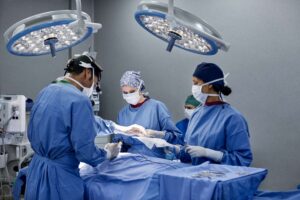
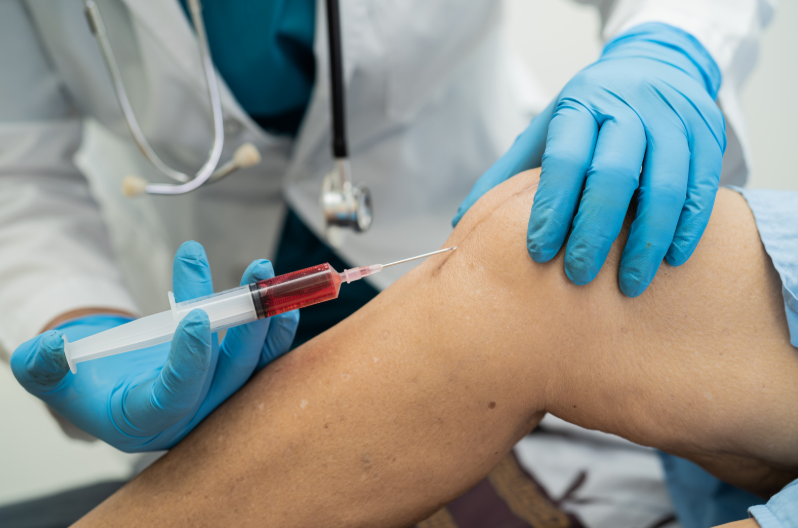
Knee replacement surgery can offer major pain relief and better mobility for people affected by severe arthritis or significant joint damage. For some patients, everyday activities such as walking, climbing stairs, standing from a chair, working, or sleeping become much easier after recovery. Still, surgery carries possible drawbacks that deserve careful consideration before a treatment decision is made.
Understanding the disadvantages of knee replacement surgery helps patients set realistic expectations about recovery, complications, implant lifespan, rehabilitation, and future activity. Knee replacement should not be viewed solely as a procedure that replaces damaged joint surfaces. It also requires preparation, healing time, physical therapy, and long-term care of an artificial joint.
Most people who receive knee replacements do not experience serious complications. However, risks vary according to age, general health, knee condition, medical history, and other patient-specific factors. Both the American Academy of Orthopaedic Surgeons and NHS guidance recognize infection, blood clots, stiffness, persistent symptoms, and implant-related problems among possible complications.
Patients considering surgery should discuss expected benefits and possible drawbacks with a qualified orthopedic surgeon before deciding whether knee replacement matches their needs.
What Is Knee Replacement Surgery?
Knee replacement, also called knee arthroplasty, replaces damaged joint surfaces with artificial components. The procedure commonly serves patients with severe arthritis or extensive knee damage that has not responded adequately to conservative treatment.
Osteoarthritis is a common reason for knee replacement. As cartilage deteriorates, bones may rub against each other, causing pain, stiffness, swelling, reduced motion, and difficulty completing normal activities. Rheumatoid arthritis and major joint damage may also lead an orthopedic surgeon to consider replacement surgery.
The main goals are pain reduction, better joint function, and greater ability to perform everyday activities. However, an artificial knee cannot completely reproduce every feature of a natural, healthy knee.
That difference forms one of several disadvantages of knee replacement surgery that patients should understand before proceeding.
TEC Orthopedics currently provides knee evaluation and management, knee replacement, revision knee replacement, arthroscopy, and several non-surgical knee treatment options.
What Are the Main Disadvantages of Knee Replacement Surgery?
The disadvantages of knee replacement surgery vary greatly from one person to another. Some patients recover with few problems, while others may face a slower rehabilitation period or unexpected complications.
Possible drawbacks include:
- Surgical infection
- Blood clots
- Persistent pain
- Knee stiffness
- Reduced range of motion
- Numbness near the surgical scar
- Nerve or blood vessel injury
- Implant wear
- Implant loosening
- Difficulty kneeling
- Activity restrictions
- Need for revision surgery
- Several months of recovery
Serious complications are uncommon, but every surgical procedure carries some degree of risk. AAOS reports that serious complications such as joint infection occur among fewer than 2% of patients receiving total knee replacement.
Risk percentages alone should not determine whether surgery is right for someone. Health status, arthritis severity, expected activity level, previous treatment response, and personal goals also matter.
Risk of Infection After Knee Replacement Surgery
Infection is one of the better-known disadvantages of knee replacement surgery because artificial joint components can make deep infections more difficult to treat.
A superficial infection may affect the surgical wound. A deeper infection can affect tissues around the artificial knee. Possible warning signs may include worsening redness, swelling, drainage, fever, chills, persistent discomfort, or unexpected changes around the surgical area.
AAOS notes that joint replacement infection symptoms can range from mild redness and swelling to severe systemic illness.
Treatment depends on infection severity. Some cases may respond to antibiotics and wound care. A deep infection around the prosthesis can require additional surgery, and severe cases may require removal or replacement of artificial components.
Patients can help reduce avoidable problems by following wound-care instructions, keeping follow-up appointments, and reporting concerning symptoms promptly.
Blood Clots and Pulmonary Embolism
Blood clots are another potential complication after knee replacement. Deep vein thrombosis, commonly called DVT, occurs when a clot develops within a deep vein, often around the leg.
A clot may become especially dangerous if part of it travels toward the lungs. This condition is called pulmonary embolism and requires urgent medical care.
AAOS lists calf pain, tenderness, redness, and new or worsening swelling around the calf, ankle, or foot as possible clot warning signs. Sudden shortness of breath or chest pain may signal pulmonary embolism.
Medical teams may recommend preventive steps such as prescribed blood-thinning medication, compression devices, ankle exercises, and early controlled movement after surgery.
Patients should follow medication instructions carefully rather than changing blood-thinning medicines without medical guidance.
Pain May Continue After Knee Replacement Surgery
Pain reduction is one of the primary reasons people choose knee replacement, yet complete removal of every uncomfortable sensation cannot be guaranteed.
Early recovery normally involves soreness, swelling, and discomfort as tissues heal. These symptoms generally change over time, although recovery varies widely.
Some people may continue experiencing aches, stiffness, sensitivity around the scar, or discomfort during particular movements. Persistent pain may occasionally relate to implant positioning, infection, instability, scar tissue, nerve sensitivity, or another orthopedic issue.
NHS patient guidance notes that pain and swelling may remain during recovery and that full recovery can take several months or longer.
Persistent discomfort represents one of the disadvantages of knee replacement surgery that should be discussed before surgery, especially for patients expecting a completely pain-free or completely natural-feeling knee.
Knee Stiffness and Limited Range of Motion
Successful knee replacement does not guarantee unlimited flexibility.
Some patients struggle to fully straighten or bend their knee after surgery. Scar tissue, swelling, muscle weakness, pre-surgical stiffness, and rehabilitation progress can affect post-surgical movement.
Physical therapy usually focuses on restoring mobility, muscle strength, balance, and safe walking. Consistent participation matters because avoiding movement due to fear or discomfort may contribute to greater stiffness.
For certain patients with substantial stiffness, additional treatment may be considered by the surgeon.
AAOS identifies reduced range of motion and stiffness as recognized problems after knee replacement and after revision procedures.
Patients who already have very limited knee movement before surgery should ask their orthopedic surgeon what degree of flexibility is realistically achievable afterward.
Numbness and Unusual Sensations Around the Knee
A replaced knee can feel different from a natural knee even when surgery achieves good pain relief.
Some people notice numbness near the scar because small sensory nerves may be affected during the operation. Others describe stiffness, pressure, clicking, or mechanical sensations associated with artificial joint components.
Such feelings do not automatically mean that something has gone wrong. However, any new symptom that becomes severe, persistent, or associated with swelling, fever, weakness, or major loss of function deserves medical assessment.
Patients should expect gradual adaptation rather than assuming that their artificial knee will feel exactly like their original knee did before arthritis developed.
Artificial Knee Implants Can Wear or Loosen
Artificial knee components are designed for long-term use, but they are not permanent.
Years of walking, standing, exercise, body weight, and everyday movement create repeated forces across the prosthesis. Gradual wear can eventually affect artificial surfaces. Components may also become loose from surrounding bone.
AAOS reports that more than 90% of modern total knee replacements remain functional 15 years after surgery.
That durability is encouraging, yet younger patients may live long enough to require another operation later. Patients with physically demanding lifestyles should also discuss appropriate activities with their surgeon.
Implant lifespan therefore deserves consideration when evaluating the disadvantages of knee replacement surgery, particularly for younger adults considering replacement at an earlier age.
Revision Knee Replacement May Be Required Later
Revision knee replacement refers to another operation performed after a previous knee replacement develops a problem.
Possible reasons for revision include:
- Implant loosening
- Implant wear
- Deep infection
- Fracture around artificial components
- Persistent instability
- Significant stiffness
- Other mechanical problems
Revision procedures may require removal of some or all existing components followed by placement of new prosthetic parts.
AAOS describes revision knee replacement as a more complex procedure than primary knee replacement because surgeons may need to address bone loss, existing implants, scar tissue, or other complications.
TEC Orthopedics lists both knee replacement and revision knee replacement among its knee surgery services.
The possibility of needing another operation later should form part of discussions about long-term expectations.
Recovery Requires Time and Consistent Rehabilitation
Recovery demands represent another major part of the disadvantages of knee replacement surgery.
Patients should not expect normal strength and mobility immediately after leaving the hospital. Rehabilitation usually progresses gradually as swelling decreases, tissues heal, muscle strength returns, and walking confidence develops.
NHS guidance states that full recovery after knee replacement may take several months or longer, depending partly on age and general health.
Early recovery may require assistance with:
- Walking
- Bathing
- Dressing
- Household chores
- Transportation
- Stair use
- Meal preparation
- Returning to work
- Exercise
Walking aids such as crutches, walkers, or canes may be needed for a period determined by the medical team.
Physical therapy and prescribed home exercises usually play major roles. Patients may need to practice bending and straightening the knee, strengthening surrounding muscles, improving balance, and gradually increasing walking distance.
Recovery can also affect work and family responsibilities. Someone with a physically demanding occupation may need more time before returning to full duties compared with someone whose work requires mainly seated tasks.
A Replaced Knee May Not Feel Exactly Like a Natural Knee
Pain relief and better walking ability do not always mean that the artificial knee feels completely natural.
Some patients notice clicking from prosthetic components. Others experience numbness, stiffness, discomfort while kneeling, or awareness that the knee feels mechanically different.
Such changes are worth discussing because patient satisfaction depends partly on expectations before surgery.
People expecting to return immediately to unrestricted high-impact activity may be disappointed. A better goal is often reliable function, reduced arthritis pain, greater walking comfort, and the ability to resume suitable everyday activities.
Realistic expectations can make it easier to assess whether possible benefits outweigh the disadvantages of knee replacement surgery.
Activity Choices May Need Adjustment
A knee replacement can support an active lifestyle, but patients may need to reconsider certain activities.
Low-impact activities are commonly preferred after recovery because they place less repeated stress on artificial components. Activity recommendations depend on age, implant condition, strength, balance, previous exercise habits, and surgeon advice.
Patients should ask about sports or exercise activities that involve repetitive jumping, forceful twisting, collisions, or heavy loading.
Falls also deserve attention because trauma around an artificial knee can cause fractures or implant-related problems.
Rather than assuming every previous activity will remain appropriate, patients should discuss their goals with their orthopedic surgeon and rehabilitation team.
Results Differ From One Patient to Another
A friend or family member’s knee replacement experience cannot predict another patient’s outcome.
Several factors may affect recovery, such as:
- Degree of joint damage
- Muscle strength
- Knee movement before surgery
- General health
- Body weight
- Other medical conditions
- Rehabilitation participation
- Previous surgeries
- Age
- Activity goals
One patient may regain comfortable walking relatively quickly, while another may need additional rehabilitation.
For that reason, evaluating the disadvantages of knee replacement surgery should always involve personal medical assessment rather than comparisons with another person’s recovery.
How Can Patients Reduce Knee Replacement Surgery Risks?
No strategy can remove every surgical risk, but careful preparation and follow-up can reduce avoidable problems.
A thorough orthopedic assessment should review symptoms, previous treatments, medication use, general health, knee stability, range of motion, and imaging findings.
Patients should provide accurate information about medications, allergies, previous operations, cardiovascular conditions, diabetes, smoking, and other health concerns that may affect surgery or healing.
After surgery, patients should follow wound-care guidance and monitor for unusual redness, drainage, fever, swelling, or worsening pain.
Blood clot prevention instructions should also be followed carefully. Prescribed medication, compression equipment, ankle movement, and controlled walking may form part of a patient’s plan.
Physical therapy deserves equal attention. Recovery exercises help rebuild strength, movement, and walking ability. Patients should avoid both extremes: doing too little because of fear and pushing activity beyond medical guidance.
Should Non-Surgical Knee Treatments Be Considered First?
Knee replacement is not necessarily the first treatment for every person with knee pain.
Treatment choice depends on the cause and severity of symptoms. Some patients may first try medication, activity changes, rehabilitation, braces, injections, or other conservative approaches.
TEC Orthopedics currently offers knee evaluation and management along with joint steroid injections, viscosupplementation, platelet-rich plasma treatments, and surgical knee procedures.
Its knee-related educational material also discusses options such as steroid injections, viscosupplementation, PRP, medication, and therapy for selected patients before replacement surgery.
Non-surgical treatment does not work equally well for every patient. Severe arthritis with substantial joint destruction may eventually require surgical consideration when pain and disability remain significant despite appropriate conservative care.
An orthopedic evaluation can help determine which options match the condition of the joint.
When Can Knee Replacement Still Be Worth Considering?
Learning about the disadvantages of knee replacement surgery should not create the impression that knee replacement is generally a poor choice.
For suitable candidates, surgery can provide substantial relief from severe arthritis pain and restore useful function. AAOS recognizes total knee replacement as a procedure intended to relieve pain and correct disability caused by damaged knee joints.
Surgery may deserve consideration when knee pain affects sleep, walking, work, stairs, self-care, or other routine activities and conservative treatments no longer provide acceptable relief.
The decision requires balance. Patients should compare current pain and disability against surgical risks, rehabilitation demands, future activity goals, and expected implant lifespan.
Age alone should not be the only deciding factor. General health, joint damage, symptoms, mobility, and realistic treatment goals also matter.
Discuss the Disadvantages of Knee Replacement Surgery With TEC Orthopedics
Patients considering surgery around Quezon City can seek an orthopedic assessment from TEC Orthopedics to discuss whether knee replacement or another treatment may be appropriate.
Dr. Lou Mervyn Tec is a board-certified orthopedic surgeon whose training includes hip and knee preservation, replacement, and revision work under Dr. Gamboa at Queensland Hips and Knees, Brisbane, Australia.
TEC Orthopedics provides knee evaluation, non-surgical management, knee replacement, revision knee replacement, arthroscopy, ACL reconstruction, and other knee procedures.
A consultation gives patients the opportunity to discuss pain severity, mobility problems, previous treatments, imaging findings, surgical expectations, recovery requirements, and possible alternatives.
Understanding the disadvantages of knee replacement surgery does not mean rejecting surgery. It means making a decision based on realistic benefits, possible complications, personal health needs, and clear communication with an orthopedic specialist.
Frequently Asked Questions About the Disadvantages of Knee Replacement Surgery
What are the biggest disadvantages of knee replacement surgery?
Possible drawbacks include infection, blood clots, stiffness, persistent discomfort, numbness, lengthy rehabilitation, implant wear, implant loosening, activity changes, and possible revision surgery. Serious complications remain uncommon for most patients, but personal risk varies according to health status and other factors.
Can knee replacement surgery cause long-term problems?
Yes, some patients can develop long-term problems such as implant wear, loosening, stiffness, persistent pain, or infection. A worn or failed prosthesis may eventually require revision surgery.
How long does recovery take after knee replacement?
Recovery varies. NHS guidance states that full recovery may take several months or longer. Age, general health, joint condition, rehabilitation progress, and type of knee replacement can affect the timeline.
Can a knee replacement wear out?
Yes. Artificial components can gradually wear or loosen. AAOS reports that more than 90% of modern total knee replacements remain functional after 15 years, though lifespan differs from patient to patient.
Can knee replacement surgery cause blood clots?
Blood clots are a recognized complication. DVT can cause calf pain, tenderness, redness, or swelling. A clot that reaches the lungs can cause sudden shortness of breath or chest pain and requires urgent medical attention.
Can knee replacement surgery cause infection?
Yes. Infection can affect the surgical wound or deeper tissues around the artificial joint. Deep infections may require antibiotics, additional surgery, or treatment of artificial components.
Can knee replacement be avoided?
Some patients may manage knee problems through medication, physical therapy, activity modification, steroid injections, viscosupplementation, PRP treatment, or other conservative options. Suitability depends on the cause and severity of knee damage. TEC Orthopedics offers both non-surgical knee management and surgical options.
Is knee replacement worth the risks?
That answer depends on each patient’s symptoms, general health, joint damage, previous treatment response, lifestyle, and goals. Someone living with severe arthritis pain and major mobility loss may decide that expected benefits outweigh possible risks. A qualified orthopedic surgeon can assess whether surgery is appropriate.
When should I speak with an orthopedic surgeon about knee replacement?
Consider orthopedic assessment when persistent knee pain, stiffness, swelling, reduced walking ability, or difficulty completing everyday tasks continues despite appropriate conservative care. An evaluation can clarify the cause of symptoms and help compare available treatment choices.
Where can patients discuss the disadvantages of knee replacement surgery around Quezon City?
TEC Orthopedics provides knee evaluation, non-surgical management, knee replacement, and revision knee replacement services around Quezon City. Patients can speak with Dr. Lou Mervyn Tec about current symptoms, treatment history, surgical risks, recovery expectations, and possible alternatives before deciding whether knee replacement fits their needs.
Understanding the disadvantages of knee replacement surgery gives patients a clearer basis for discussing treatment with their orthopedic surgeon. Knee replacement can offer substantial relief for suitable candidates, but careful assessment, realistic expectations, rehabilitation commitment, and long-term joint care remain essential parts of the decision.
This article provides general educational information and should not replace assessment or medical advice from a qualified healthcare professional.