
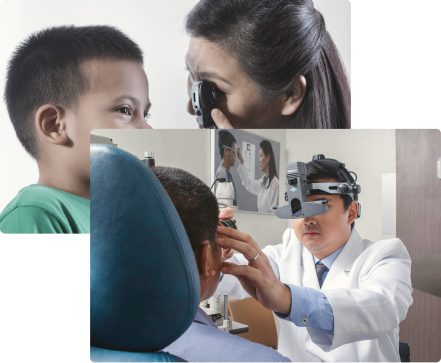
Healthy eyesight affects almost every part of daily life, from reading and working to travelling, driving and enjoying time with family. When vision becomes blurred, distorted or uncomfortable, finding appropriate professional care becomes an important step. An Eye and Laser Center Quezon City can provide specialised services for people who need vision assessments, eye disease screening, treatment planning and selected laser procedures. Modern ophthalmology combines specialist expertise with diagnostic technology to assess conditions that may not be obvious during a basic vision check. Patients may visit an eye centre for something as simple as a prescription assessment or for more complex concerns involving the lens, optic nerve or retina. Knowing what services are available can make it easier to prepare for an appointment and understand the different treatment possibilities. It can also help patients make informed decisions when comparing eye care providers in Quezon City.
Understanding the Role of an Eye and Laser Centre
An eye and laser centre is a specialised healthcare facility focused on the diagnosis, treatment and ongoing management of vision and eye health concerns. Its services can extend beyond the provision of spectacles or contact lenses. Depending on the facility, patients may have access to comprehensive examinations, diagnostic imaging, medical eye care and selected surgical or laser treatments. An eye clinic in Quezon City may serve patients with common refractive errors as well as those requiring assessment for cataracts, glaucoma or retinal conditions. The exact treatment recommended depends on the results of the patient’s examination and medical history. Laser technology is only one part of modern ophthalmic care and is not automatically appropriate for every patient. A qualified ophthalmologist should determine whether a particular treatment is suitable after assessing the patient’s individual needs.
Eye Care Beyond Basic Vision Testing
A basic vision test can determine whether someone can see clearly at a particular distance, but it does not necessarily provide a complete picture of eye health. A comprehensive examination can assess the structures responsible for clear vision and detect potential problems that may not cause obvious symptoms. Depending on the patient’s circumstances, the examination may include visual acuity testing, eye pressure measurements and detailed inspection of the eye. Additional tests can be recommended when the specialist needs more information. This broader approach is useful because several different eye conditions can cause similar symptoms. For example, blurred vision may result from a refractive error, cataract or another ocular condition. A professional assessment helps the ophthalmologist determine what is actually affecting the patient’s vision.
Comprehensive Eye Examination Services
Regular eye examinations are an important part of maintaining awareness of both vision and ocular health. An examination can establish a baseline for future comparisons and may identify changes that deserve further investigation. Patients who already have an eye condition may require more frequent monitoring based on their specialist’s recommendations. Those with risk factors for particular diseases may also benefit from targeted screening. A comprehensive examination can include several tests, with the exact combination depending on the patient’s age, symptoms and medical history. The findings can then guide the specialist when recommending observation, corrective lenses, medication, laser treatment or surgery. Patients should understand that the purpose of an examination is not simply to determine whether they need stronger glasses.
Visual Acuity and Refraction Testing
Visual acuity testing measures how clearly a patient can see at different distances. Refraction testing can help determine whether the eye needs optical correction to focus light properly. Common refractive errors include myopia, hyperopia and astigmatism. Presbyopia can also affect adults as the natural focusing ability of the eye changes with age. Corrective lenses may be recommended when these conditions are identified. Some patients may later be assessed for refractive procedures if they want to reduce their dependence on glasses or contact lenses. An eye specialist Quezon City can determine which options are appropriate after considering the patient’s eye health and visual requirements.
Eye Pressure Assessment
Measuring intraocular pressure can form part of a glaucoma assessment. Glaucoma can damage the optic nerve and may gradually affect vision without producing obvious symptoms during its early stages. Although eye pressure is an important measurement, it is not the only factor considered when evaluating glaucoma. An ophthalmologist may also examine the optic nerve and recommend additional diagnostic tests. Patients with a family history of glaucoma or other risk factors may require ongoing monitoring. The frequency of examinations depends on individual circumstances and clinical findings. Regular specialist assessment can help identify changes that may require treatment or closer observation.
Dilated Eye Examination
A dilated eye examination may allow an ophthalmologist to obtain a clearer view of structures at the back of the eye. The retina and optic nerve can be assessed more thoroughly when the pupil is enlarged. Dilation may be recommended when symptoms, age or medical history indicate that a detailed retinal examination would be useful. The process can temporarily affect near vision and increase sensitivity to light. Patients should follow the clinic’s instructions regarding activities after dilation. A detailed retinal examination can be particularly useful when investigating unexplained vision changes. The ophthalmologist can explain why dilation is being recommended and what the patient should expect.
Common Conditions Treated by Eye Specialists
Eye specialists manage a wide variety of conditions affecting different parts of the visual system. Some conditions involve the way light enters and focuses through the eye, while others affect the lens, retina, optic nerve or surrounding tissues. Symptoms may overlap, which is one reason professional diagnosis is important. A patient with blurred vision, for example, may have a refractive error but could also have a developing cataract. Another patient may experience similar blurring because of a retinal problem. The specialist can use clinical examination and appropriate diagnostic tests to identify the likely cause. Once the condition is understood, an individual treatment or monitoring plan can be developed.
Cataract Diagnosis and Management
A cataract occurs when the natural lens inside the eye becomes cloudy. This can gradually reduce the clarity of vision and may make bright lights or headlights appear more uncomfortable. Some patients notice that colours look less vibrant or that reading becomes more difficult. Cataracts commonly become more frequent with age, although they can also develop for other reasons. An ophthalmologist can assess the lens and determine how significantly the cataract is affecting daily activities. When vision impairment becomes substantial, cataract treatment may involve surgery to remove the cloudy lens and replace it with an artificial intraocular lens. Patients should discuss the timing, benefits, risks and recovery requirements with their eye specialist.
Glaucoma Assessment
Glaucoma involves damage to the optic nerve and can cause permanent loss of vision if it progresses without appropriate management. Because early glaucoma may not cause noticeable symptoms, screening and monitoring can be important for people with relevant risk factors. An ophthalmologist may examine the optic nerve, measure eye pressure and conduct other tests as required. The condition can take different forms, so treatment is not identical for every patient. Depending on the diagnosis, management may include prescription medication, laser procedures or surgery. Regular monitoring can help the specialist determine whether treatment is controlling the condition effectively. Patients diagnosed with glaucoma should follow the monitoring schedule recommended by their ophthalmologist.
Retinal and Macular Conditions
The retina converts light into signals that are sent to the brain, making it essential for normal vision. The macula, located near the centre of the retina, is responsible for detailed central vision. Problems involving these areas can cause distortion, blind spots, flashes, floaters or changes in visual clarity. A detailed retina examination can help identify abnormalities when symptoms or risk factors are present. Specialised imaging may also be used to provide more information about retinal structures. People with diabetes and certain other medical conditions may require regular retinal monitoring. Sudden changes involving flashes, floaters or vision should receive prompt professional assessment.
Exploring Laser Eye Treatment
Laser technology has expanded the range of procedures available within modern ophthalmology. However, there is no single laser treatment that is appropriate for every eye condition or every patient. Some laser procedures are designed to correct refractive errors, while others may be used for selected medical conditions. Before recommending treatment, an ophthalmologist needs to determine whether the patient’s eyes are suitable. This assessment may involve measurements of the cornea, examination of the eye surface and evaluation of overall eye health. Patients should understand the purpose of the proposed procedure before deciding whether to proceed. A careful assessment helps ensure that treatment is selected because it is clinically appropriate rather than simply because it is technologically available.
Laser Vision Correction
Laser vision correction is designed to reshape the cornea so that light can focus more effectively on the retina. It may allow suitable patients to reduce their dependence on spectacles or contact lenses. Before undergoing treatment, patients usually require a detailed assessment of corneal structure and general eye health. The stability of the patient’s prescription may also be considered. Certain eye conditions, corneal characteristics or medical factors can affect eligibility. Patients should also understand that laser treatment does not guarantee perfect vision or eliminate the possibility of future changes in eyesight. A consultation with a qualified ophthalmologist is therefore essential before considering laser eye surgery.
Laser Treatment for Glaucoma and Other Conditions
Laser procedures can have medical applications beyond refractive correction. In selected glaucoma situations, laser treatment may form part of a management plan. Other laser techniques may also be used for particular complications or conditions affecting the eye. The choice of procedure depends on the diagnosis, anatomy of the eye and intended clinical outcome. Patients should ask why laser treatment is being recommended and what it is expected to achieve. They should also discuss possible risks and alternative management options. The ophthalmologist’s clinical assessment should guide the treatment decision.
How Technology Supports Modern Eye Care
Technology has become an important component of modern ophthalmology. Diagnostic devices can provide detailed measurements and images of structures that cannot be adequately assessed through a simple visual acuity test. Depending on the patient’s condition, imaging may be used to evaluate the retina, optic nerve or other parts of the eye. Corneal measurements can also be relevant when assessing patients for refractive procedures. Eye pressure instruments can support glaucoma assessments. However, equipment should be considered a support for clinical decision-making rather than a replacement for specialist expertise. The most useful diagnostic process combines suitable technology with careful examination and professional interpretation.
Retinal Imaging
Retinal imaging can provide detailed views of the back of the eye. These images may help an ophthalmologist identify structural changes or monitor an existing condition over time. The type of imaging selected depends on the patient’s symptoms and clinical requirements. Imaging can also make it easier to compare changes during follow-up appointments. Patients with certain retinal or systemic health concerns may benefit from more regular monitoring. However, an image is only one component of the overall assessment. The ophthalmologist must interpret the findings alongside the patient’s symptoms, medical history and other examination results.
Corneal Assessment
The cornea plays a major role in focusing light as it enters the eye. Assessing its shape and condition can therefore be important when investigating certain vision problems. Corneal measurements may be particularly relevant for patients considering refractive surgery. An ophthalmologist may assess corneal thickness, curvature and general health before determining whether a laser procedure is appropriate. Abnormal findings can influence the treatment options available to the patient. This is one reason why suitability cannot be determined simply by looking at a person’s spectacle prescription. Detailed assessment helps the specialist select a safer and more appropriate approach.
What Happens During an Eye Consultation?
The exact consultation process can vary depending on the reason for the appointment. A routine eye examination may be relatively straightforward, while a patient with complex symptoms may require several diagnostic tests. The appointment commonly begins with questions about vision, symptoms, medical history and previous eye treatment. Vision measurements may then be performed before the ophthalmologist examines the eyes. Additional testing can be arranged if the initial findings indicate a potential problem. After the assessment, the specialist can explain the findings and discuss appropriate next steps. Patients should use this opportunity to ask questions about diagnosis, treatment and follow-up care.
Discussing Medical History
A patient’s medical history can provide important information for an eye specialist. Certain systemic conditions and medications can affect eye health or influence treatment decisions. Previous eye injuries, surgery and laser procedures should also be disclosed. Family history may be relevant when assessing conditions such as glaucoma. Patients should mention any significant changes in vision and explain when they began. Accurate information allows the ophthalmologist to consider the patient’s circumstances more fully. Bringing previous medical and eye records can be useful when they are available.
Eye Testing and Examination
Different tests may be performed depending on the patient’s symptoms. Visual acuity and refraction can assess how clearly the patient sees and whether optical correction is needed. Eye pressure may be measured when glaucoma assessment is relevant. The ophthalmologist can also examine the front and back of the eye using specialised equipment. Dilation may be recommended when a detailed retinal examination is necessary. Additional imaging or diagnostic tests can be arranged when more information is needed. The specialist can explain the purpose of each test so that the patient understands what is happening.
Discussing Treatment Options
Once the examination is complete, the ophthalmologist can discuss the findings and possible management options. Some patients may simply require an updated prescription or routine monitoring. Others may need medication, laser treatment or surgery. Patients should ask why a specific treatment has been recommended and what alternatives may be available. Understanding potential risks and benefits is particularly important before an invasive procedure. Recovery requirements and follow-up appointments should also be explained. Patients should feel comfortable taking time to consider their options before making a treatment decision.
Preparing for Your Visit
Preparation can make an eye consultation more productive. Patients should bring previous examination records when available, particularly if they have been treated elsewhere. Current spectacles or contact lens information can also be useful. A list of medications may help the ophthalmologist understand the patient’s broader health circumstances. Patients should make a note of any symptoms and when they first appeared. It is also helpful to prepare questions before arriving at the clinic. Good preparation can ensure that important information is discussed during the appointment.
Information Worth Bringing
Previous eye prescriptions can show how a patient’s vision has changed over time. Medical records may also help the ophthalmologist understand previous diagnoses and treatments. Patients who have undergone eye surgery should provide relevant details if available. A medication list can be especially useful when discussing medical eye conditions. Information about family history may also contribute to risk assessment. Patients should ask the clinic whether any specific documents are required before attending. Organising these details beforehand can make the consultation smoother.
Describing Vision Changes
Patients should describe changes in vision as specifically as possible. For example, they may notice difficulty reading small print, seeing distant signs or driving at night. Some people experience glare, halos or fluctuating vision under certain lighting conditions. New floaters or flashes should also be reported to an eye specialist. Patients should mention whether symptoms affect one eye or both eyes. They should also explain whether the symptoms are constant or occur occasionally. These details can help the ophthalmologist decide which tests are appropriate.
Factors to Consider When Choosing an Eye Centre
Choosing an Eye and Laser Center Quezon City should involve careful comparison rather than focusing on one factor alone. Patients should consider the qualifications and relevant experience of the ophthalmologists. The clinic’s available eye care services should also match the patient’s specific needs. Diagnostic equipment can be another consideration, particularly when detailed assessment or monitoring is required. Patients should also find out how follow-up care is managed after treatment. Location and appointment accessibility can be useful practical considerations, especially for patients who may need repeated visits. Clear communication and patient support should remain important parts of the decision.
Specialist Qualifications
The experience and training of the ophthalmologist can influence the quality of the assessment and treatment planning process. Patients should consider whether the specialist routinely manages the condition they are concerned about. Someone considering cataract surgery may want a specialist experienced in cataract management. A person considering refractive surgery may want to discuss the specialist’s experience with relevant laser procedures. Patients can also ask questions about why a particular treatment has been recommended. Professional communication can help patients understand their options more clearly. Specialist qualifications should be considered alongside the clinic’s overall approach to patient care.
Range of Services
A clinic that provides a suitable range of services may make it easier for patients to receive continuous care. Someone with an ongoing condition may require regular assessments rather than a single appointment. Patients considering laser treatment may need several diagnostic tests before being considered suitable. A clinic with appropriate diagnostic and treatment services can potentially reduce the need to visit multiple facilities. However, patients should still prioritise clinical suitability over convenience. It is useful to contact the centre and confirm that the required service is available. This can help avoid unnecessary appointments or referrals.
Accessibility and Convenience
Location can be important when choosing an eye care provider in a large city. A convenient location may make attending follow-up appointments easier. Patients should consider transport arrangements, parking and appointment schedules when relevant. Older adults or people with mobility difficulties may need to consider accessibility more carefully. Patients undergoing procedures should also ask whether they will need someone to accompany them home. These practical factors can affect the overall experience of receiving care. However, convenience should be balanced with specialist expertise and appropriate clinical services.
Warning Signs That Should Not Be Ignored
Changes in eyesight should not always be dismissed as a normal part of ageing. Persistent blurred vision can indicate a refractive error, cataract or another condition requiring assessment. Sudden vision loss or a sudden change in visual field can require urgent professional attention. New flashes or a sudden increase in floaters can also be associated with retinal problems. Persistent eye pain, severe redness or unusual sensitivity to light should be evaluated by an appropriate healthcare professional. Difficulty seeing at night may also be worth discussing with an ophthalmologist when it affects daily activities. Rather than attempting to diagnose these symptoms independently, patients should seek professional guidance.
The Value of Regular Eye Health Monitoring
Regular eye examinations can help people stay aware of changes in their vision and eye health. Some eye diseases may progress gradually before a patient notices significant changes. Monitoring can be especially important for people with existing diagnoses or recognised risk factors. An ophthalmologist can recommend an appropriate examination schedule based on the patient’s circumstances. Follow-up testing can also help determine whether a condition is stable or changing. Patients should follow the monitoring recommendations provided by their specialist. Regular care is particularly valuable when the goal is to preserve existing vision and manage an ongoing condition.
Making an Informed Choice About Laser Treatment
Laser treatment should be considered only after the patient’s eyes have been properly assessed. Patients should understand the purpose of the procedure and what the specialist expects it to achieve. It is important to discuss potential benefits, limitations and risks before treatment. Patients should also ask whether alternative options are available. Recovery time and follow-up requirements should be explained before the procedure takes place. Expectations should remain realistic because individual outcomes can vary. A well-informed discussion with a qualified ophthalmologist can help patients determine whether laser treatment is appropriate for their needs.
A Practical Example of the Patient Journey
Consider someone who has noticed increasingly blurred vision while reading and working on a computer. The person may initially assume that prolonged screen use is responsible and decide to purchase stronger reading glasses. After visiting an Eye and Laser Center Quezon City, the patient may undergo a comprehensive assessment rather than simply receiving a new prescription. The ophthalmologist may identify presbyopia but also examine the lens, retina and optic nerve to check for other potential concerns. If the patient asks about laser vision correction, the specialist can explain whether the procedure is relevant to the patient’s specific condition. Additional tests may be required before any decision about treatment is made. This type of assessment demonstrates why professional diagnosis should guide treatment selection.
Patient Experiences and What They Can Offer
People researching an eye clinic often look at patient experiences before deciding where to schedule an appointment. Personal experiences can provide practical information about communication, appointment procedures and general patient support. However, individual outcomes should not be treated as a prediction of what another person will experience. Eye conditions vary, and treatment requirements can be very different between patients. Someone undergoing a routine examination will have a different experience from a person receiving cataract surgery or laser treatment. Patients should use personal experiences as one source of information rather than the sole basis for a medical decision. The most important factors remain professional assessment, specialist expertise, appropriate treatment and suitable follow-up care.
Frequently Asked Questions About Eye and Laser Centres
What can I expect from an eye and laser centre?
An eye and laser centre may provide examinations, diagnostic testing, medical eye care and selected laser procedures. The services available depend on the clinic and its specialist team. Patients may visit for routine vision assessments or for conditions such as cataracts, glaucoma and retinal concerns. A comprehensive examination can help determine the appropriate next step. Treatment may involve monitoring, corrective lenses, medication, laser procedures or surgery. The ophthalmologist should explain the recommended approach based on the patient’s individual findings.
Is laser vision correction suitable for everyone?
No, laser vision correction is not appropriate for every patient. Suitability depends on the health and structure of the eyes, prescription stability and other clinical factors. Corneal measurements may be required before treatment is considered. Certain eye conditions can affect eligibility. Patients should discuss their expectations and concerns with the ophthalmologist. If laser correction is unsuitable, alternative forms of vision correction can be considered.
What are common reasons to visit an ophthalmologist?
People may visit an ophthalmologist for blurred vision, cataract concerns, glaucoma screening or retinal symptoms. Patients may also seek assessment before considering laser vision correction. Eye pain, sudden changes in vision or unexplained visual disturbances may require professional evaluation. Routine examinations can also be appropriate even when symptoms are not present. The recommended type of examination depends on the patient’s circumstances. An ophthalmologist can determine which assessments are necessary.
How can I prepare for an eye examination?
Patients should bring relevant eye records, current prescriptions and medication information where appropriate. It is useful to make a note of symptoms before attending the appointment. Patients should describe when their vision changed and whether the problem affects one or both eyes. Previous surgery or treatment should also be disclosed. Writing down questions can help ensure important concerns are discussed. Patients should follow any specific preparation instructions provided by the clinic.
What happens during laser eye surgery assessment?
The assessment normally begins with a review of the patient’s vision history and treatment goals. The ophthalmologist may perform several measurements to evaluate the cornea and overall eye health. The stability of the patient’s prescription may also be considered. Additional tests can be required to determine whether the eyes are suitable for a particular procedure. The specialist can then discuss potential benefits, limitations and risks. A treatment decision should be made only after the suitability assessment has been completed.
Why are regular eye examinations important?
Regular examinations can identify changes that may not produce obvious symptoms. They can also help monitor existing conditions such as glaucoma. The appropriate frequency varies depending on age, medical history and individual risk factors. An ophthalmologist can recommend a suitable schedule after assessing the patient’s eyes. Patients should seek professional care sooner if new symptoms develop. Routine monitoring can support better awareness of long-term eye health.
Choosing an Eye and Laser Center Quezon City for Your Needs
Selecting an Eye and Laser Center Quezon City is an important decision for anyone seeking professional vision or eye health care. Patients should consider the qualifications of the ophthalmologists, the range of services available and the diagnostic tools used by the clinic. A comprehensive assessment should guide treatment decisions rather than assumptions based on symptoms alone. Laser procedures can be valuable for suitable patients, but eligibility must be determined through proper examination. People with cataracts, glaucoma, retinal concerns or changing vision may require specialised assessment and ongoing monitoring. Asking questions about treatment, risks, recovery and follow-up can help patients understand their options. By choosing professional care based on clinical needs and specialist guidance, patients can take a more informed approach to protecting their vision and maintaining their eye health.