Children love to run, jump, climb, and play. Every activity helps build strength, coordination, and confidence, yet it also places stress on growing bones, muscles, joints, and ligaments. A simple fall at the playground, a sports-related injury, or ongoing joint pain may seem minor at first, but some conditions deserve prompt medical attention to help children recover safely and continue enjoying their daily activities.
Parents searching for pediatric orthopedic Naga often want clear answers about their child’s symptoms, available treatment options, and when it is time to consult an orthopedic surgeon. Knowing what to watch for allows families to make informed decisions before a small concern develops into a larger problem.
Lao Orthopedic Services provides comprehensive orthopedic care for musculoskeletal conditions affecting patients of different ages. Led by Dr. Lawrence Lao, whose training includes Orthopedic Traumatology, Hip and Knee Advanced Reconstruction, and Sports Surgery and Arthroscopy, the clinic focuses on restoring movement, reducing pain, and helping patients return to their normal activities through personalized treatment plans.
What Is Pediatric Orthopedics?
Pediatric orthopedics focuses on conditions affecting the bones, joints, muscles, tendons, and ligaments of children and adolescents. Since a child’s body continues to grow, orthopedic care requires careful evaluation to support healthy development while treating injuries or medical conditions.
Families looking for pediatric orthopedic Naga usually seek care for fractures, sports injuries, walking concerns, joint pain, or other musculoskeletal problems that interfere with daily life.
How Children’s Bones and Joints Are Different
Children are not simply smaller adults. Their bones contain growth plates, which are areas of developing tissue located near the ends of long bones. These structures help determine future bone length and shape.
Because of this ongoing growth, children often heal differently than adults. Some fractures recover quickly with proper treatment, while injuries involving the growth plates require close monitoring to reduce the chance of long-term complications.
Muscles, tendons, and ligaments also continue to develop during childhood. This makes proper diagnosis especially important whenever pain, swelling, or limited movement continues after an injury.
Conditions a Pediatric Orthopedic Doctor May Evaluate
A consultation for pediatric orthopedic Naga may involve evaluation of:
- Broken bones
- Sports injuries
- Knee pain
- Hip pain
- Shoulder injuries
- Walking abnormalities
- Limb alignment concerns
- Joint stiffness
- Muscle injuries
- Congenital orthopedic conditions
Every child receives an evaluation based on age, symptoms, activity level, and medical history.
Common Pediatric Orthopedic Conditions
Children experience a wide range of orthopedic conditions, many of which respond well to early treatment.
Broken Bones
Fractures are among the most common reasons parents search for pediatric orthopedic Naga.
Broken bones may happen after:
- Falls
- Playground accidents
- Bicycle crashes
- Sports participation
- Motor vehicle accidents
Treatment depends on the location of the fracture, the child’s age, and whether the bone remains properly aligned. Some fractures heal with casting or splinting, while others may require surgical care.
Sprains and Ligament Injuries
Sprains occur when ligaments stretch or tear. Active children who play basketball, volleyball, soccer, football, gymnastics, or martial arts face a greater chance of these injuries.
Common locations include:
- Knee
- Ankle
- Wrist
Prompt assessment helps determine whether the injury involves a simple sprain or a more serious ligament tear.
Shoulder and Elbow Injuries
Children who participate regularly with throwing sports or contact sports may develop shoulder or elbow pain.
Possible causes include:
- Repetitive throwing
- Falls
- Direct impact
- Joint instability
Early treatment helps reduce discomfort while protecting normal shoulder function.
Knock Knees and Bow Legs
Many parents become concerned after noticing changes during their child’s growth.
Certain degrees of bow legs or knock knees may be considered part of normal development. However, severe deformity, pain, or worsening alignment should receive orthopedic evaluation.
Flat Feet
Flat feet are common among children.
Some children experience no symptoms, while others develop:
- Foot pain
- Fatigue
- Difficulty walking
- Balance concerns
Treatment depends on symptoms rather than appearance alone.
Hip Pain
Hip pain should never be ignored, especially when it affects walking.
Possible causes include:
- Muscle strain
- Sports injury
- Hip inflammation
- Growth-related conditions
Early diagnosis supports better recovery and helps identify conditions requiring specialized care.
Sports Injuries Among Children and Teenagers
Sports help children stay healthy, build teamwork, and improve confidence. Despite these benefits, athletic activities also increase the chance of orthopedic injuries.
Families searching for pediatric orthopedic Naga commonly seek care after sports-related accidents involving the knees, shoulders, hips, or ankles.
ACL Injuries
The anterior cruciate ligament, commonly called the ACL, plays an important role with knee stability.
ACL injuries often happen during:
- Sudden changes of direction
- Pivoting
- Jumping
- Landing awkwardly
Children and teenagers participating with basketball, volleyball, football, and soccer face a higher chance of this injury.
Treatment depends on several factors, including age, activity level, knee stability, and imaging results. Selected patients may become candidates for ACL reconstruction after careful orthopedic evaluation.
Meniscus Tears
The meniscus acts as a cushion between the bones of the knee.
A sudden twisting motion may tear this structure, causing:
- Knee pain
- Swelling
- Locking
- Difficulty bending the knee
Some tears respond well to conservative care, while others require arthroscopic surgery.
Shoulder Instability
Repeated shoulder dislocations or partial dislocations may develop after sports injuries.
Athletes involved with volleyball, swimming, baseball, or contact sports may experience recurring instability that limits athletic performance.
Growth Plate Injuries
Growth plate injuries deserve careful attention because they may affect future bone development.
Proper diagnosis and follow-up visits help monitor healing and reduce possible complications.
Signs Your Child Should Visit a Pediatric Orthopedic Doctor
Parents often wonder whether a child’s injury requires medical evaluation or simply rest at home.
Several warning signs suggest that orthopedic assessment should not be delayed.
Persistent Pain
Pain lasting several days despite rest deserves professional evaluation.
Limping
Children who limp without obvious improvement should receive medical attention.
Swelling
Swelling that continues or becomes worse after an injury may indicate damage involving bones, ligaments, or joints.
Difficulty Walking or Running
Reduced mobility after an accident or sports activity should never be ignored.
Limited Joint Movement
Children should normally move their joints comfortably.
Difficulty bending or straightening a knee, elbow, shoulder, or hip deserves evaluation.
Bone or Joint Deformity
Visible changes with bone shape, joint alignment, or limb position require immediate medical attention.
Diagnosis and Evaluation
Accurate diagnosis forms the foundation of successful orthopedic treatment.
Parents searching for pediatric orthopedic Naga should expect a thorough evaluation before treatment recommendations are made.
Medical History
The consultation begins by discussing:
- Symptoms
- Previous injuries
- Sports participation
- Medical history
- Family history
- Daily activities
Physical Examination
A careful physical examination allows the orthopedic surgeon to assess:
- Range of motion
- Joint stability
- Strength
- Tenderness
- Swelling
- Walking pattern
Imaging Studies
Diagnostic imaging may include:
- X-rays
- MRI
- CT scan when clinically appropriate
These studies help identify fractures, ligament injuries, cartilage damage, or other orthopedic conditions.
Treatment Options
Every child receives an individualized treatment plan based on the diagnosis, age, activity level, and overall health.
Non-Surgical Care
Many pediatric orthopedic conditions improve without surgery.
Conservative treatment may include:
- Rest
- Activity modification
- Splints
- Braces
- Physical therapy
- Medication when appropriate
Regular follow-up visits help monitor healing and determine whether additional treatment becomes necessary.
Surgical Care
Some orthopedic conditions require surgery to restore stability, reduce pain, or repair damaged structures.
Depending on the diagnosis, surgical treatment may include:
- Fracture repair
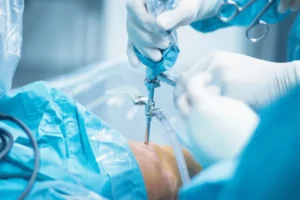
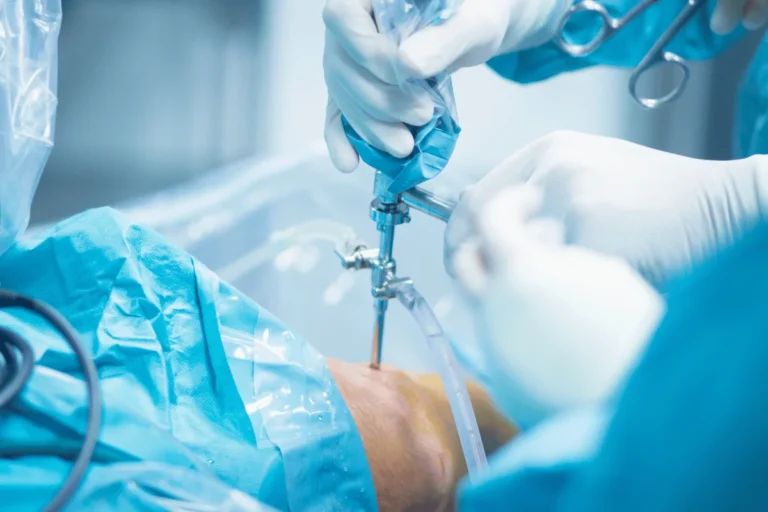
- Arthroscopy
- Ligament reconstruction
- Hip procedures
- Knee procedures
- Shoulder procedures
Dr. Lawrence Lao has advanced training with Hip and Knee Reconstruction together with Sports Surgery and Arthroscopy, allowing patients to receive comprehensive orthopedic care supported by modern surgical techniques whenever surgery becomes the appropriate option.
Helping Children Recover After Orthopedic Treatment
Recovery does not end after treatment. Proper rehabilitation helps children regain strength, movement, and confidence.
Rehabilitation
Physical therapy may improve:
- Muscle strength
- Flexibility
- Joint movement
- Balance
- Coordination
Each rehabilitation program matches the child’s diagnosis and recovery goals.
Safe Return to School
Returning to school often requires temporary activity restrictions depending on the injury.
Parents, teachers, and healthcare professionals should work together to support safe recovery.
Safe Return to Sports
Athletes should only resume sports after medical clearance.
Returning too early increases the chance of another injury and may delay complete healing.
Follow-Up Visits
Regular appointments allow the orthopedic surgeon to monitor recovery, evaluate progress, and answer questions from families.
Tips for Keeping Children’s Bones and Joints Healthy
Healthy habits reduce the chance of orthopedic injuries while supporting normal growth.
Daily Physical Activity
Regular exercise strengthens muscles, bones, and joints while improving coordination.
Proper Sports Technique
Learning correct techniques helps lower stress on developing joints.
Qualified coaching also reduces preventable injuries.
Protective Equipment
Helmets, knee pads, elbow pads, wrist guards, and properly fitted footwear offer valuable protection during recreational activities and organized sports.
Healthy Nutrition
Balanced meals rich with calcium, vitamin D, protein, fruits, and vegetables support healthy bone development.
Adequate Sleep
Children require enough sleep to support physical recovery, growth, and overall health.
Why Families Choose Lao Orthopedic Services
Families searching for pediatric orthopedic Naga value experience, careful evaluation, and treatment plans designed around each patient’s needs.
Dr. Lawrence Lao brings more than 16 years of medical experience along with advanced orthopedic training that includes Orthopedic Traumatology, Hip and Knee Advanced Reconstruction, and Sports Surgery and Arthroscopy.
Lao Orthopedic Services offers care for musculoskeletal conditions involving the hip, knee, shoulder, fractures, ligament injuries, and sports-related trauma. Every patient receives thoughtful assessment, clear communication, and treatment recommendations based on individual circumstances.
Patients travel from Naga, Camarines Sur, Legazpi, and nearby Bicol communities seeking orthopedic consultation for pain, injuries, and mobility concerns.
Takeaway
Searching for reliable pediatric orthopedic Naga services often begins with a parent’s desire to protect their child’s health and future mobility. Prompt attention to persistent pain, limping, swelling, joint stiffness, or sports-related injuries allows children to receive the care they need before small concerns become larger problems.
Lao Orthopedic Services remains committed to helping patients regain movement through comprehensive orthopedic evaluation, personalized treatment plans, and advanced surgical expertise when appropriate. Whether your child has experienced a fracture, sports injury, joint pain, or another musculoskeletal condition, seeking timely orthopedic care can support a smoother recovery and a safe return to everyday activities.
Frequently Asked Questions
Does every broken bone require surgery?
No. Many fractures heal successfully with casting, splinting, or other conservative treatment. Surgery becomes necessary only for selected injuries depending on the fracture pattern and stability.
When should my child visit an orthopedic surgeon after a sports injury?
Medical evaluation is recommended if pain, swelling, limping, limited movement, or joint instability continues after the injury or prevents your child from returning to normal activities.
Can children recover after an ACL injury?
Many children and teenagers recover successfully with appropriate treatment and rehabilitation. Some patients benefit from conservative care, while others may require ACL reconstruction based on their condition and activity level.
What causes limping without a recent injury?
Limping may result from muscle strain, infection, inflammation, hip conditions, fractures, or other orthopedic problems. A proper medical evaluation helps identify the underlying cause.
Can flat feet become painful?
Yes. Although many children have flexible flat feet without symptoms, some develop pain, fatigue, or walking difficulties that deserve orthopedic assessment.
How can parents help reduce sports injuries?
Parents can encourage proper warm-up exercises, age-appropriate training, protective equipment, healthy nutrition, adequate rest, and prompt medical evaluation whenever pain or swelling develops.