Healthy vision is something many people take for granted until changes begin to interfere with daily activities. Reading a favorite book, recognizing familiar faces, driving safely, and using digital devices all depend on healthy eyes. Comprehensive Ophthalmology provides complete medical and surgical eye care designed to preserve vision, detect eye diseases early, and treat a wide range of eye conditions. Rather than focusing on a single disorder, this field of ophthalmology emphasizes the overall health of the eyes throughout every stage of life. From routine eye examinations to advanced diagnostic testing and treatment, comprehensive ophthalmologists help patients maintain clear vision and healthy eyes for years to come. Regular visits allow many eye diseases to be identified before noticeable symptoms appear. Choosing Comprehensive Ophthalmology is one of the most effective ways to invest in lifelong eye health.
Understanding Comprehensive Ophthalmology
Comprehensive Ophthalmology is a branch of medicine dedicated to evaluating, diagnosing, treating, and managing numerous eye diseases and vision disorders. A comprehensive ophthalmologist is a medical doctor with specialized training in eye care, allowing them to prescribe medications, perform surgical procedures, and manage both simple and complex eye conditions. Their role extends beyond improving eyesight through corrective lenses because they also monitor the health of every structure within the eye. Patients benefit from continuous care regardless of age, whether they need routine examinations or treatment for chronic eye diseases. Comprehensive Ophthalmology also emphasizes preventive care by identifying potential risks before vision becomes permanently affected. This proactive approach allows patients to receive timely treatment while preserving their quality of life. As technology continues to improve, comprehensive ophthalmologists can deliver increasingly accurate diagnoses and more personalized treatment plans.
The Importance of Routine Eye Care
Routine eye care is one of the most valuable preventive healthcare services available today. Many serious eye diseases develop slowly without pain or obvious symptoms, making regular examinations essential even for individuals who believe their vision is normal. Comprehensive Ophthalmology focuses on detecting these conditions early, when treatment is often more effective and less invasive. Eye examinations may also reveal signs of systemic diseases such as diabetes, hypertension, autoimmune disorders, and high cholesterol. Detecting these health concerns during an eye examination can encourage patients to seek medical care before complications develop. Routine visits also help monitor natural age-related changes that affect vision over time. Maintaining a consistent schedule of comprehensive eye examinations helps protect vision while supporting overall health and wellness.
Eye Conditions Managed Through Comprehensive Ophthalmology
One of the greatest strengths of Comprehensive Ophthalmology is its ability to diagnose and treat a broad spectrum of eye conditions. Common refractive errors such as myopia, hyperopia, astigmatism, and presbyopia can be corrected with updated prescriptions that improve visual clarity. Cataracts, one of the leading causes of vision impairment among older adults, can be evaluated and treated through modern surgical techniques. Glaucoma requires lifelong monitoring because optic nerve damage often develops before symptoms become noticeable. Comprehensive ophthalmologists also manage dry eye syndrome, eye allergies, infections, eyelid disorders, retinal diseases, diabetic retinopathy, and age-related macular degeneration. Many of these conditions require ongoing evaluations to ensure treatments remain effective. Providing continuous care allows ophthalmologists to adjust management plans according to each patient’s changing needs while helping preserve healthy vision.
What Happens During a Comprehensive Eye Examination?
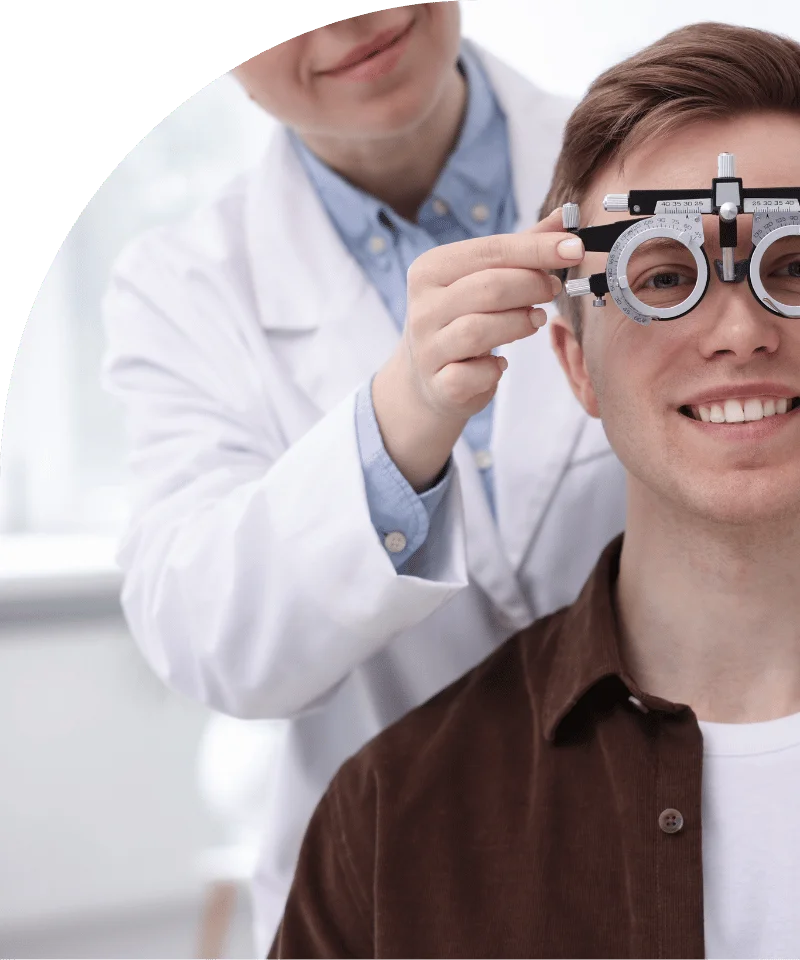
A Comprehensive Ophthalmology appointment includes much more than reading letters on an eye chart. The examination begins with a discussion about the patient’s medical history, family history, medications, lifestyle, and any current visual concerns. Vision testing evaluates clarity at various distances while refraction determines the need for prescription lenses. Eye pressure testing helps identify glaucoma before noticeable vision loss develops. A slit-lamp microscope allows the ophthalmologist to examine the cornea, iris, lens, and surrounding structures in great detail. Dilated pupil examinations provide a thorough assessment of the retina, optic nerve, and blood vessels inside the eye. Advanced imaging may also be recommended when additional information is necessary. Every component of the examination contributes to a complete understanding of the patient’s overall eye health.
Technology That Improves Eye Care
Modern technology has transformed Comprehensive Ophthalmology by making diagnosis more accurate than ever before. Optical Coherence Tomography creates detailed cross-sectional images that help detect glaucoma, retinal diseases, and macular degeneration during their earliest stages. Digital retinal photography provides permanent images that allow doctors to compare changes over multiple visits. Visual field testing evaluates peripheral vision and assists in monitoring glaucoma progression. Corneal mapping provides valuable information for patients considering vision correction procedures or experiencing irregular corneal conditions. Ultrasound imaging is another useful tool when cataracts or other factors prevent direct examination inside the eye. These advanced technologies improve diagnostic accuracy while supporting personalized treatment decisions. Patients benefit from earlier intervention, better monitoring, and improved long-term visual outcomes.
Treatment Options Available
Treatment recommendations within Comprehensive Ophthalmology depend on the patient’s diagnosis, age, lifestyle, and overall health. Prescription eyeglasses and contact lenses continue to provide effective correction for common refractive errors. Medical therapies often include lubricating eye drops, anti-inflammatory medications, antibiotics, antiviral drugs, or glaucoma medications depending on the condition being treated. Laser procedures provide minimally invasive treatment for selected retinal diseases and glaucoma management. Cataract surgery restores vision by replacing the clouded natural lens with an artificial intraocular lens. Minor eyelid surgeries and treatments for ocular surface disorders may also be performed when necessary. Patients requiring highly specialized procedures can be referred appropriately while their comprehensive ophthalmologist continues coordinating their overall eye care. This integrated approach provides continuity and confidence throughout every stage of treatment.
Who Benefits Most from Comprehensive Ophthalmology?
Comprehensive Ophthalmology benefits individuals of every age and stage of life. Children need regular examinations to identify vision problems that could affect academic performance and healthy visual development. Adults often require ongoing monitoring because prolonged screen exposure, occupational hazards, and lifestyle factors can contribute to eye strain and vision changes. Older adults have an increased risk of cataracts, glaucoma, and macular degeneration, making routine care especially important. Individuals with diabetes, hypertension, autoimmune diseases, or a family history of eye disease should receive regular comprehensive evaluations because they face higher risks for vision complications. Athletes, contact lens users, and individuals recovering from eye injuries also benefit from professional monitoring. Even people with no symptoms should prioritize preventive eye care because many serious conditions develop silently. Routine examinations help preserve healthy eyesight regardless of current vision quality.
Simple Habits That Support Healthy Vision
Protecting your eyesight requires consistent daily habits in addition to regular visits with an ophthalmologist. Eating foods rich in vitamins A, C, and E, along with zinc and omega-3 fatty acids, supports healthy retinal function. Wearing sunglasses that block harmful ultraviolet rays helps reduce long-term damage caused by sun exposure. Following the 20-20-20 rule during computer use helps reduce digital eye strain by giving the eyes regular opportunities to rest. Staying physically active improves blood circulation, including circulation to the eyes, while helping control chronic diseases that affect vision. Proper hydration supports tear production and reduces symptoms of dry eye syndrome. Practicing excellent contact lens hygiene minimizes the risk of infection. Combining these healthy habits with routine Comprehensive Ophthalmology visits creates a strong strategy for maintaining excellent vision throughout life.
Choosing a Comprehensive Ophthalmologist
Finding the right eye care provider plays an important role in protecting long-term vision. Patients should seek ophthalmologists with strong educational backgrounds, board certification, extensive clinical experience, and access to advanced diagnostic technology. Excellent communication is equally important because patients should fully understand their diagnosis and available treatment options. A patient-centered approach encourages shared decision-making while creating individualized care plans that match each person’s lifestyle and vision goals. Practices offering a wide range of diagnostic and treatment services often provide greater convenience by allowing patients to receive multiple aspects of care in one location. Positive patient reviews and professional recommendations can also provide valuable insight during the selection process. Establishing a long-term relationship with a trusted provider promotes continuity of care and ongoing confidence in your eye health.
Frequently Asked Questions
What is Comprehensive Ophthalmology?
Comprehensive Ophthalmology provides complete medical and surgical care for a wide range of eye diseases, vision disorders, and preventive eye health services.
How frequently should adults schedule comprehensive eye examinations?
Most adults benefit from examinations every one to two years, although patients with existing eye diseases or chronic medical conditions may require more frequent visits.
Can Comprehensive Ophthalmology detect diseases before symptoms appear?
Yes. Many eye diseases, including glaucoma and diabetic retinopathy, can often be detected during routine examinations before noticeable vision changes develop.
Does Comprehensive Ophthalmology include surgery?
Yes. Comprehensive ophthalmologists perform various surgical procedures, including cataract surgery and selected laser treatments, depending on the patient’s condition.
Is Comprehensive Ophthalmology only for older adults?
No. Children, teenagers, adults, and seniors all benefit from routine comprehensive eye care to maintain healthy vision throughout life.
What should I bring to my eye appointment?
Bring your current eyeglasses or contact lenses, a list of medications, your medical history, insurance information if applicable, and any questions regarding your vision.
Can eye examinations detect health problems outside the eyes?
Yes. Comprehensive eye examinations may identify signs of diabetes, hypertension, autoimmune disorders, and certain neurological conditions.
Why are routine eye examinations important if my vision seems normal?
Many serious eye diseases progress without early symptoms. Regular examinations help detect these conditions early, allowing treatment before permanent vision loss occurs.
Takeaway
Comprehensive Ophthalmology offers complete eye care focused on protecting vision, preventing eye disease, and providing personalized treatment throughout every stage of life. Routine examinations, advanced diagnostic technology, timely treatment, and healthy lifestyle choices work together to preserve eyesight and improve overall well-being. Whether you need preventive care, treatment for an eye condition, or ongoing monitoring of chronic disease, partnering with a qualified comprehensive ophthalmologist helps ensure your eyes receive the attention they deserve. Prioritizing regular eye care today is one of the smartest investments you can make for your future vision and quality of life.