Cloudy sight can make simple daily tasks feel harder. Reading a message, watching television, recognizing faces, walking safely, or driving after sunset may start to require more effort. Colors may look dull. Bright lights may cause glare. Many people blame age or tired eyes, but cataracts may be the real cause.
Dropless cataract surgery in Naga gives qualified patients another way to plan cataract care with a simpler recovery routine. Standard cataract surgery often requires several eye drops after the procedure. A dropless method may reduce that need by placing medication near or during surgery, based on the doctor’s plan. The goal remains the same: remove the cloudy natural lens and replace it with a clear artificial lens that helps restore sharper sight.
Lee Tan Eye Center supports patients from Naga City and the Bicol Region through careful cataract evaluation, patient education, and ophthalmologist-led care. Dr. Lee Tan is a board-certified ophthalmologist and experienced eye surgeon with advanced Glaucoma fellowship training from the University of the Philippines–Philippine General Hospital. Her clinical background helps patients receive careful screening, surgical planning, and follow-up care for clearer, healthier sight.
What Is Dropless Cataract Surgery?
Dropless cataract surgery is a cataract procedure with a medication plan that may reduce the need for several post-surgery drops. Traditional cataract surgery usually requires patients to place drops on a schedule after surgery. These drops may help with swelling, comfort, and healing. Some patients find that schedule easy. Others find it difficult, especially older adults, patients with hand tremors, or patients who live alone.
Dropless cataract surgery in Naga may help suitable patients by making aftercare more manageable. Medication may be placed during or near the surgery so the eye receives support without several separate bottles or frequent drop schedules. This does not mean every patient will need zero drops. Some patients may still need certain drops based on eye health, healing response, or the surgeon’s recommendation.
The best way to know whether dropless cataract surgery in Naga suits your eyes is to have a complete cataract evaluation. Your ophthalmologist will check your vision, cataract severity, eye pressure, retina, optic nerve, and overall eye health before recommending a plan.
How Cataracts Affect Daily Life
A cataract forms when the eye’s natural lens becomes cloudy. The lens should help focus light clearly. When it becomes cloudy, light does not pass through as sharply, so vision may look hazy, dim, or foggy.
Cataract symptoms may start slowly. At first, you may only notice glare from headlights or sunlight. Later, reading small text may become harder. Colors may look yellow or faded. Driving at night may feel unsafe. Some people need brighter light to read or work. Others change eyeglasses often but still feel their sight is not clear enough.
Dropless cataract surgery in Naga may become worth discussing when cataracts affect your daily comfort, safety, or confidence. Cataract care is not only about clearer eyesight. It can also help a person move with more confidence, enjoy family activities, read with less strain, and feel safer during routine tasks.
Why Patients Ask About Dropless Cataract Surgery in Naga
Many cataract patients worry about recovery after surgery. The procedure itself often takes only around 15 to 30 minutes, yet aftercare matters greatly. Eye drops after standard surgery can have different schedules. One bottle may be needed several times per day, another may have a different timing, and another may continue for a certain number of weeks.
For some patients, this routine is not hard. For others, it can cause stress. A patient may forget a dose, touch the eye with the bottle tip, place too many drops, waste medication, or struggle because of shaky hands. Family members may also worry about helping older loved ones follow each step correctly.
Dropless cataract surgery in Naga may help reduce these concerns for qualified patients. A simpler medication plan may give patients and caregivers more confidence during recovery. Lee Tan Eye Center can explain whether this approach fits your eye condition, health history, and surgical goals.
Standard Cataract Surgery and Dropless Cataract Surgery
Standard cataract surgery and dropless cataract surgery have the same central goal. Both remove the cloudy lens and replace it with a clear artificial lens. Both require proper examination, precise surgical planning, and follow-up visits after surgery.
The difference comes from the medication approach. Standard cataract surgery usually gives patients eye drops after the procedure. Dropless cataract surgery may place medication near or during the procedure to reduce the number of drops needed afterward.
Dropless cataract surgery in Naga may appeal to patients who want a more convenient aftercare routine. Still, convenience should never be the only factor. Eye health comes first. Some patients may need a more traditional drop schedule because of other eye concerns, healing needs, or medical history. A full exam allows your ophthalmologist to recommend the safest and most appropriate choice.
Who May Be a Good Candidate?
A good candidate for dropless cataract surgery in Naga may be someone whose cataracts already affect daily tasks, such as reading, driving, cooking, working, or walking safely. The patient may also have difficulty managing several eye drop bottles after surgery.
Older adults may benefit from a simpler routine, especially those with arthritis, hand tremors, memory concerns, or limited support at home. Patients who care for elderly parents may also ask about dropless cataract surgery because it can reduce stress around medication schedules.
Not every patient qualifies. People with certain eye conditions may need a more specific drop plan. Patients with complex eye history, severe swelling risk, active eye irritation, or other medical concerns may need standard aftercare instead. A cataract evaluation helps Dr. Lee Tan review these factors before giving advice.
What Happens During Cataract Surgery?
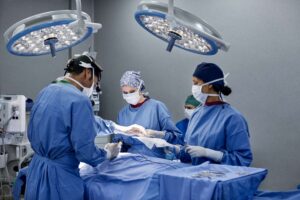
Cataract surgery is usually done as an outpatient procedure. Most cases take about 15 to 30 minutes, though preparation and observation may take longer. The patient usually goes home the same day.
Before surgery, numbing drops help keep the eye comfortable. The surgical area is prepared with care. During the procedure, the cloudy natural lens is gently removed with microsurgical techniques. A clear artificial lens is then placed to help focus light properly.
For dropless cataract surgery in Naga, the medication plan may be adjusted so drops after surgery are reduced for suitable patients. Your ophthalmologist will explain what medication will be used, what symptoms to expect, and what care steps matter after the procedure.
Many patients notice clearer vision within 24 to 48 hours, though healing varies. Vision may continue to settle as the eye recovers. Follow-up visits are needed so the doctor can check healing, eye pressure, and visual progress.
Benefits Patients May Appreciate
Dropless cataract surgery in Naga may offer several practical benefits for qualified patients. The first is clearer vision after the cloudy lens is removed. Patients may notice sharper details, brighter surroundings, and better contrast.
Colors may look cleaner and more natural after cataract removal. Many people only realize how dull their vision had become after the cataract is gone. Reading, watching television, recognizing faces, and enjoying outdoor views may become easier.
Better sight may also support safer movement. Cataracts can affect depth perception, contrast, and glare tolerance. Clearer vision may help patients walk more confidently, use stairs more safely, and feel less anxious under bright or low-light settings.
Another possible benefit is a simpler recovery routine. Patients who qualify for dropless cataract surgery in Naga may have fewer drops to manage. This can be helpful for patients who want convenience or those who may struggle with complex eye drop schedules.
What to Expect Before Surgery at Lee Tan Eye Center
Before any cataract procedure, Lee Tan Eye Center focuses on careful evaluation. This step helps confirm whether cataracts are the main cause of blurry or cloudy vision. Other eye concerns can also affect sight, so a detailed exam matters.
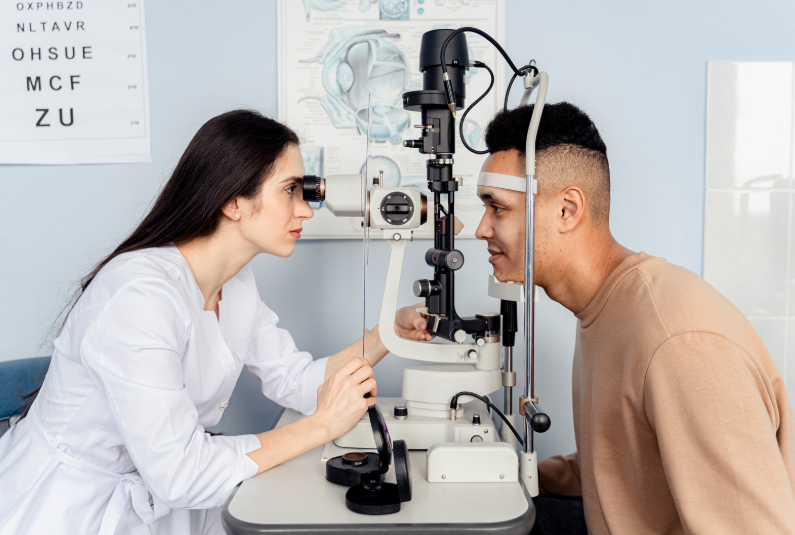
Your visit may involve vision testing, eye pressure check, slit-lamp exam, lens assessment, retina review, and optic nerve evaluation. The doctor may also ask about medical history, current medications, eye symptoms, work needs, hobbies, and daily routines.
Dropless cataract surgery in Naga should be planned around each patient’s needs. Some patients want better distance vision for walking and driving. Others care most about reading, sewing, cooking, device use, or work tasks. The lens choice and medication plan should match the patient’s visual goals as closely as possible.
Lee Tan Eye Center also values clear patient education. Patients should understand what cataract surgery can do, what it cannot promise, and what recovery steps must be followed.
Meet Dr. Lee Tan
Dr. Lee Tan is a board-certified ophthalmologist and experienced eye surgeon serving patients from Naga City and nearby areas across the Bicol Region. Her training helps support careful eye diagnosis, cataract care, and long-term eye health planning.
Dr. Tan completed advanced Glaucoma fellowship training at the University of the Philippines–Philippine General Hospital. She graduated cum laude with a Psychology degree from the University of the Philippines, earned her Doctor of Medicine degree from UP College of Medicine, and completed ophthalmology residency training at UP PGH. She also practiced general ophthalmology before completing subspecialty training.
This background matters for cataract patients because many people have more than one eye concern. Some may have glaucoma risk, dry eye, diabetic eye changes, or retina concerns. A thorough ophthalmologist can assess these factors before cataract surgery and create a plan focused on clearer sight and safer recovery.
Why Choose Lee Tan Eye Center for Dropless Cataract Surgery in Naga?
Choosing a cataract care provider should be based on trust, communication, and clinical judgment. Lee Tan Eye Center offers cataract evaluation and eye care for patients seeking dropless cataract surgery in Naga, as well as other cataract treatment options.
The clinic’s care style is patient-centered. This means the doctor listens to symptoms, explains findings, reviews options, and helps patients make informed choices. Surgery is not treated as a one-size-fits-all plan. Each patient’s eyes, lifestyle, comfort level, and goals matter.
Lee Tan Eye Center also focuses on prevention, early detection, and careful monitoring. Cataracts are common, but they can appear alongside other eye conditions. A detailed evaluation allows the doctor to check not only the cloudy lens but also eye pressure, optic nerve health, and retina status.
Patients from Naga City and nearby Bicol communities can ask about dropless cataract surgery in Naga during consultation and learn whether this option fits their needs.
Safety and Recovery After Dropless Cataract Surgery
Cataract surgery has helped many patients regain clearer sight, but every procedure has possible risks. Your ophthalmologist should explain benefits, limits, and possible complications before surgery. This helps patients make a confident, well-informed decision.
After dropless cataract surgery in Naga, patients should follow the doctor’s recovery reminders closely. Even with fewer drops, aftercare still matters. Avoid rubbing the eye. Keep follow-up visits. Use protective eyewear if recommended. Follow activity limits given by the care team. Report severe pain, sudden vision loss, worsening redness, flashes, or unusual symptoms right away.
Recovery differs from person to person. Some patients see better quickly. Others need more time for vision to settle. A calm recovery plan and proper follow-up help protect the best possible result.
Questions to Ask During Your Cataract Consultation
A cataract consultation is the right time to ask clear questions. You may ask whether dropless cataract surgery in Naga is suitable for your eyes. You may also ask what makes you a good or poor candidate for this option.
Other helpful questions include: What type of artificial lens suits my daily activities? Will I still need reading glasses? How long should I rest after surgery? What symptoms are normal after surgery? What warning signs should prompt urgent contact? How many follow-up visits will I need? Are there other eye conditions that may affect my results?
Asking these questions helps patients feel more prepared. It also helps the doctor understand your goals and explain the treatment plan more clearly.
When Should You See an Ophthalmologist?
You should consider an eye exam when cloudy sight starts affecting daily life. Warning signs may include glare from headlights, poor night vision, faded colors, trouble reading, double vision from one eye, frequent eyeglass changes, or a foggy view that does not improve with glasses.
Dropless cataract surgery in Naga may be worth discussing if cataracts are confirmed and you want to learn about a simpler recovery plan. Even if surgery is not needed right away, an exam can help track cataract growth and spot other eye concerns early.
Lee Tan Eye Center can guide patients through cataract evaluation, treatment options, and follow-up care. For many patients, the first step is not surgery right away. The first step is knowing what is happening to the eyes and what options are available.
Clearer Vision Starts With Proper Cataract Evaluation
Dropless cataract surgery in Naga offers a helpful option for suitable cataract patients who want clearer sight and a more manageable recovery routine. It may reduce the need for several post-surgery eye drops, which can be useful for older adults, busy patients, and caregivers supporting loved ones.
Still, the right cataract plan should always begin with a full eye exam. Cataract severity, lens choice, eye pressure, retina health, optic nerve status, and medical history all affect surgical planning. A dropless approach may be helpful for one patient but not ideal for another.
Lee Tan Eye Center provides ophthalmologist-led cataract care for patients from Naga City and the Bicol Region. Through careful evaluation, clear explanation, and patient-focused planning, Dr. Lee Tan helps patients understand whether dropless cataract surgery in Naga is the right choice for their eyes.
FAQ About Dropless Cataract Surgery in Naga
Is dropless cataract surgery completely drop-free?
Not always. Dropless cataract surgery may reduce the need for several eye drops, but some patients may still need drops based on healing, eye condition, or the doctor’s recommendation.
Who should ask about dropless cataract surgery in Naga?
Patients with cataracts who have trouble managing eye drops, older adults, people with hand tremors, and caregivers helping elderly loved ones may ask about this option during consultation.
How long does cataract surgery take?
Cataract surgery often takes around 15 to 30 minutes. Preparation and observation may require extra time on the same day.
How soon can vision improve after surgery?
Many patients notice clearer vision within 24 to 48 hours, though recovery time varies. Follow-up visits help the doctor check healing and visual progress.
Will cataracts come back after surgery?
A cataract does not come back after the cloudy natural lens is removed. Some patients may later develop capsule clouding behind the artificial lens, which can often be treated with a quick laser procedure when appropriate.
Will I still need glasses after cataract surgery?
Some patients still need glasses for reading or certain tasks. Lens choice, eye health, and personal visual goals affect the final result.
Is dropless cataract surgery in Naga safe?
Dropless cataract surgery may be appropriate for many patients, but safety depends on proper screening, surgical planning, and recovery care. Your ophthalmologist will explain possible benefits and risks based on your eye exam.
Where can I ask about dropless cataract surgery in Naga?
Lee Tan Eye Center provides cataract evaluation and ophthalmologic care for patients from Naga City and the Bicol Region. A consultation can help determine whether dropless cataract surgery in Naga fits your eye health and recovery needs.