
Understanding Infertility and Reproductive Health Challenges
Infertility refers to the difficulty of achieving pregnancy after a year of regular, unprotected intercourse, or after six months for individuals over 35. Infertility treatment is designed to address the medical, hormonal, structural, and sometimes unexplained factors that interfere with conception. This condition affects both men and women, and it is often influenced by multiple overlapping causes rather than a single issue. Reproductive health depends on the proper function of the ovaries, sperm production, hormone balance, and reproductive anatomy. Many individuals are surprised to learn how common fertility challenges are, which makes awareness and early evaluation important. Emotional stress and uncertainty often accompany fertility struggles, making support and education essential throughout the process. Modern infertility treatment focuses not only on achieving pregnancy but also on improving overall reproductive health. Understanding the condition helps individuals make informed decisions about care and available options.
Causes of Infertility in Men and Women
Infertility can result from a wide range of medical and lifestyle-related factors. In women, common causes include ovulation disorders, which prevent the regular release of eggs needed for fertilization. Conditions such as polycystic ovary syndrome (PCOS) can disrupt hormonal balance and affect menstrual cycles. Blocked or damaged fallopian tubes may prevent the egg and sperm from meeting. Endometriosis can also interfere with reproductive function by causing inflammation and scar tissue. In men, low sperm count is one of the most common contributing factors to infertility. Poor sperm motility or abnormal sperm shape can also reduce the likelihood of fertilization. Hormonal imbalances, genetic conditions, and lifestyle factors like smoking or excessive alcohol use may further impact fertility. In some cases, both partners contribute to the challenge, which requires combined infertility treatment strategies.
Diagnostic Process in Infertility Treatment
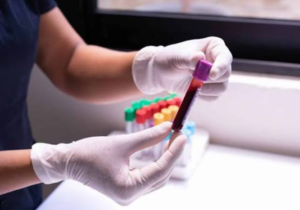
Accurate diagnosis is a crucial part of effective infertility treatment. The process usually begins with a detailed medical history review for both partners. Doctors often ask about menstrual cycles, sexual health, lifestyle habits, and past medical conditions. Blood tests are commonly performed to measure hormone levels that regulate ovulation and sperm production. Imaging tests such as ultrasounds help evaluate the reproductive organs for structural abnormalities. A hysterosalpingogram (HSG) may be used to check whether the fallopian tubes are open. For men, semen analysis provides essential information about sperm count, movement, and shape. In more complex cases, genetic testing or advanced imaging may be recommended. These diagnostic steps help create a personalized infertility treatment plan tailored to the underlying cause.
Initial Approaches in Infertility Treatment
Early-stage infertility treatment often begins with simpler, less invasive methods. Medications that stimulate ovulation are commonly prescribed for women who do not release eggs regularly. Hormone therapy may also be used to correct imbalances affecting reproductive cycles. Doctors may recommend tracking ovulation cycles to determine the most fertile days for conception. Lifestyle adjustments such as improved nutrition, weight management, and stress reduction are often encouraged. Treating underlying conditions like thyroid disorders or insulin resistance can also improve fertility outcomes. In some cases, timed intercourse combined with medical monitoring increases the chances of pregnancy. These first-line infertility treatment options are often effective before progressing to advanced procedures.
Assisted Reproductive Technology in Infertility Treatment
Assisted reproductive technology (ART) plays a major role in modern infertility treatment. Intrauterine insemination (IUI) involves placing prepared sperm directly into the uterus to improve fertilization chances. In vitro fertilization (IVF) is a more advanced procedure where eggs are fertilized in a laboratory before being implanted into the uterus. Intracytoplasmic sperm injection (ICSI) is often used in cases of severe male infertility, where a single sperm is injected into an egg. Embryo freezing allows unused embryos to be stored for future use, providing additional flexibility. Donor eggs or sperm may be used when biological factors limit natural conception possibilities. These technologies have significantly improved success rates in infertility treatment. Each method is selected based on medical evaluation and individual reproductive needs.
Surgical Options for Fertility Improvement
Some cases of infertility treatment require surgical intervention to correct physical abnormalities. Minimally invasive procedures such as laparoscopy are used to diagnose and treat conditions like endometriosis. Blocked fallopian tubes may sometimes be repaired to restore fertility pathways. Uterine fibroids or structural abnormalities can also be surgically corrected to improve implantation chances. In men, varicocele repair may enhance sperm quality and improve fertility outcomes. These procedures are typically recommended when structural issues are identified during diagnostic testing. Advances in surgical technology have made many procedures safer and less invasive. Recovery times are often shorter, allowing patients to continue fertility planning sooner.
Lifestyle Factors Supporting Infertility Treatment
Lifestyle choices can significantly influence the effectiveness of infertility treatment. A nutrient-rich diet supports hormone balance and reproductive health. Maintaining a healthy body weight is important because both underweight and overweight conditions can affect fertility. Regular physical activity improves circulation and reduces stress levels, which supports hormonal regulation. Avoiding smoking and limiting alcohol consumption are strongly recommended during fertility planning. Exposure to environmental toxins and excessive caffeine intake should also be minimized. Stress management techniques such as meditation, yoga, or breathing exercises may improve overall reproductive function. These lifestyle changes often complement medical infertility treatment and enhance overall success rates.
Emotional and Psychological Support During Fertility Care
The emotional impact of infertility treatment can be significant for individuals and couples. Feelings of frustration, anxiety, and disappointment are common during the process. These emotions can sometimes affect relationships and communication between partners. Counseling and therapy provide valuable support for managing stress and emotional strain. Fertility support groups can also help individuals feel less isolated by connecting them with others facing similar challenges. Open communication with healthcare providers helps reduce uncertainty and builds trust in the treatment process. Emotional well-being is closely linked to physical health, making psychological support an important part of care. Addressing emotional needs can improve the overall infertility treatment experience.
Selecting a Fertility Clinic or Specialist
Choosing the right clinic is an important decision in infertility treatment. The experience and qualifications of fertility specialists should be carefully reviewed. Clinics that offer advanced reproductive technologies may provide more comprehensive treatment options. Transparency regarding procedures, risks, and success rates helps patients make informed decisions. Personalized care and clear communication are essential for a positive treatment experience. Accessibility and convenience of the clinic location may also influence selection. Patients should look for clinics that prioritize both medical expertise and emotional support. A well-equipped fertility center can significantly impact treatment outcomes.
Costs and Financial Considerations in Infertility Treatment
Infertility treatment costs vary depending on the procedures required. Basic treatments such as medication and monitoring are generally less expensive than advanced options like IVF. Multiple treatment cycles may be necessary, which can increase overall costs. Insurance coverage for fertility care varies widely depending on location and provider policies. Understanding financial responsibilities in advance helps reduce stress during treatment. Some clinics offer payment plans or financial assistance programs to support patients. Planning ahead allows individuals to focus more on treatment rather than financial concerns. Financial awareness is an important part of managing infertility treatment effectively.
Risks and Limitations of Infertility Treatment
While infertility treatment offers hope, it is important to understand potential risks and limitations. Fertility medications may cause side effects such as bloating, mood changes, or mild discomfort. Assisted reproductive procedures may increase the chance of multiple pregnancies, which can carry additional risks. Not all treatment cycles result in pregnancy, and multiple attempts may be necessary. Age, underlying medical conditions, and lifestyle factors can influence success rates. Emotional and physical demands may increase as treatment progresses. Setting realistic expectations is important for managing the fertility journey. Understanding limitations helps individuals make informed decisions about their care.
Frequently Asked Questions About Infertility Treatment
What is infertility treatment?
Infertility treatment refers to medical and therapeutic approaches used to help individuals or couples achieve pregnancy. It includes medications, lifestyle changes, assisted reproductive technologies, and surgical procedures.
How long does infertility treatment usually take?
The duration varies depending on the cause and type of treatment. Some patients achieve results within months, while others may require longer treatment cycles.
Is infertility always permanent?
No, many cases of infertility can be treated successfully depending on the underlying cause. Medical evaluation helps determine the most effective approach.
What are the most effective infertility treatment options?
Effectiveness depends on individual conditions, but IVF and IUI are among the most commonly used advanced treatments.
Can lifestyle changes improve fertility?
Yes, healthy habits such as proper diet, exercise, and stress management can significantly support reproductive health.
When should medical help be sought?
After one year of trying to conceive for individuals under 35, or after six months for those over 35, medical evaluation is recommended.
Takeaway
Infertility treatment provides a wide range of medical, surgical, and lifestyle-based solutions designed to support individuals and couples facing fertility challenges. Advances in reproductive medicine have made it possible to address many causes of infertility with personalized care plans. From early diagnostic testing to assisted reproductive technologies, each step is tailored to specific needs and conditions. Emotional support and healthy lifestyle choices also play a significant role in improving outcomes. While results may vary depending on individual circumstances, modern infertility treatment continues to offer meaningful opportunities for those pursuing parenthood.