
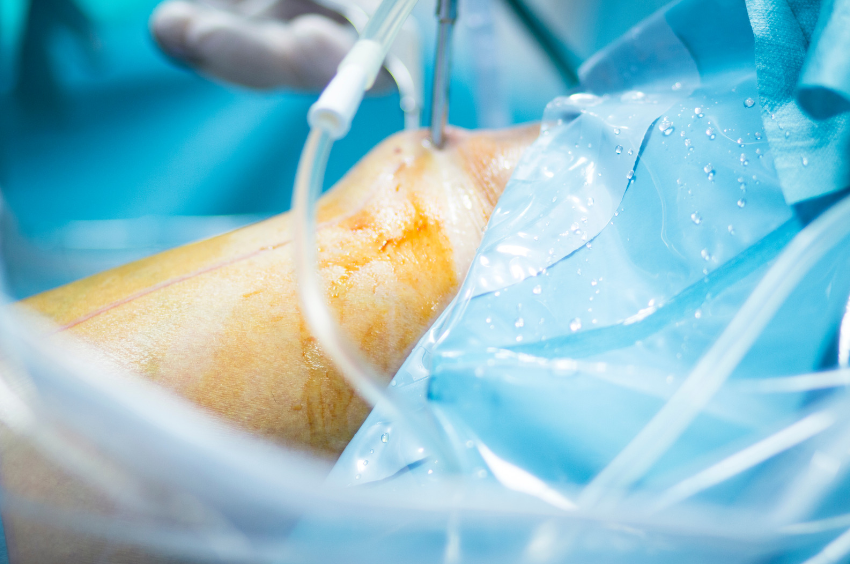
Knee surgery is a common procedure for addressing various knee problems, including injuries, arthritis, and meniscus tears. A successful recovery from knee surgery is crucial for ensuring long-term knee health and functionality. Physical therapy plays a vital role in this recovery process, offering targeted interventions that help patients regain strength, mobility, and confidence in their knee’s capabilities.
Understanding Knee Surgery
Types of Knee Surgery
Knee surgery encompasses several types of procedures, each designed to address specific issues. Total knee replacement involves replacing the entire knee joint with artificial components, while partial knee replacement targets only the damaged parts. Arthroscopic knee surgery is minimally invasive, allowing for the repair of tissues through small incisions. Additionally, ligament repairs, such as ACL and MCL surgeries, focus on restoring stability to the knee.
Common Reasons for Knee Surgery
The reasons for knee surgery often include severe injuries, such as those sustained during sports or accidents, and degenerative conditions like arthritis that cause chronic pain and dysfunction. Knee surgery can provide significant relief and improve the quality of life for individuals suffering from persistent knee issues.
The Importance of Physical Therapy Post-Surgery
Goals of Physical Therapy in Knee Recovery
The primary goals of physical therapy in knee surgery recovery are to restore range of motion, strengthen the muscles surrounding the knee, reduce pain and inflammation, and improve overall mobility and function. These goals are essential for achieving a full recovery and preventing future complications.
Benefits of Physical Therapy
Physical therapy offers numerous benefits for knee surgery patients. It facilitates faster recovery times, prevents further injury by strengthening the knee, enhances overall knee function, and leads to better long-term outcomes. Engaging in a structured physical therapy program post-surgery is crucial for maximizing these benefits.
Physical Therapy Techniques for Knee Surgery Recovery
Early Stage Rehabilitation
In the early stages of knee surgery recovery, physical therapy focuses on managing pain and initiating gentle range-of-motion exercises. Techniques such as icing, elevation, and prescribed medications help control pain and swelling. Using assistive devices like crutches or knee braces ensures that the knee is protected while beginning the rehabilitation process.
Intermediate Stage Rehabilitation
As recovery progresses, intermediate stage rehabilitation includes more advanced strengthening exercises like quad sets and hamstring curls. Balance and stability training become integral parts of physical therapy, and low-impact cardiovascular activities, such as swimming or cycling, are introduced to enhance overall fitness without overloading the knee.
Advanced Stage Rehabilitation
In the advanced stages of knee surgery recovery, physical therapy aims to restore full functionality. Functional training exercises, such as walking, climbing stairs, and squatting, are emphasized. For athletes, sport-specific exercises help prepare the knee for returning to high-level activities. Proprioceptive and agility exercises further enhance coordination and prevent re-injury.
Role of Physical Therapists in Recovery
Personalized Recovery Plans
Physical therapists play a crucial role in knee surgery recovery by developing personalized recovery plans tailored to each patient’s needs and goals. They conduct thorough assessments to design exercise programs that address specific weaknesses and monitor progress regularly, making necessary adjustments to ensure optimal recovery.
Education and Support
Physical therapists also provide education and support throughout the recovery journey. They teach patients proper techniques for exercises and daily activities, offer motivation, and ensure adherence to recovery protocols. This guidance is invaluable for maintaining a positive outlook and achieving the best possible outcomes.
Tips for a Successful Recovery
Adhering to Physical Therapy Plans
Consistency is key in knee surgery recovery. Patients must adhere to their physical therapy plans, attend sessions regularly, and diligently follow home exercise programs. This commitment ensures steady progress and helps avoid setbacks.
Healthy Lifestyle Choices
Maintaining a healthy lifestyle supports the recovery process. A balanced diet rich in nutrients promotes healing, while staying active within recommended limits helps maintain overall fitness. These healthy choices complement the benefits of physical therapy.
Listening to Your Body
It’s essential to listen to your body during knee surgery recovery. Recognizing signs of overexertion or complications and communicating openly with healthcare providers can prevent further issues. This proactive approach ensures a smooth and effective recovery.
Takeaway
Physical therapy is indispensable in knee surgery recovery. It aids in restoring mobility, strength, and function, ultimately leading to a successful recovery. Seeking professional physical therapy services post-surgery is vital for achieving optimal knee health and long-term well-being.