Clear eyesight can make daily life easier, safer, and more comfortable, yet many eye conditions may develop before obvious symptoms appear. A person may still read signs, use a phone, or drive without realizing that pressure changes, lens clouding, optic nerve concerns, or retinal problems have already started. That is why a Comprehensive eye health check in Bicol can be valuable for children, working adults, older patients, and people with known health risks.
Lee Tan Eye Clinic provides comprehensive ophthalmologic care led by Dr. Lee Tan, a board-certified ophthalmologist and experienced eye surgeon. His professional background includes medical education at the UP College of Medicine, ophthalmology residency at UP–Philippine General Hospital, five years of general ophthalmology practice, and advanced glaucoma fellowship training from UP–PGH. This combination supports careful assessment, clear guidance, and treatment plans based on each patient’s actual visual needs.
A Comprehensive eye health check in Bicol gives patients a clearer picture of their current eye condition. It may also help detect concerns early, before visual function becomes harder to protect.
What a Comprehensive Eye Health Check Covers
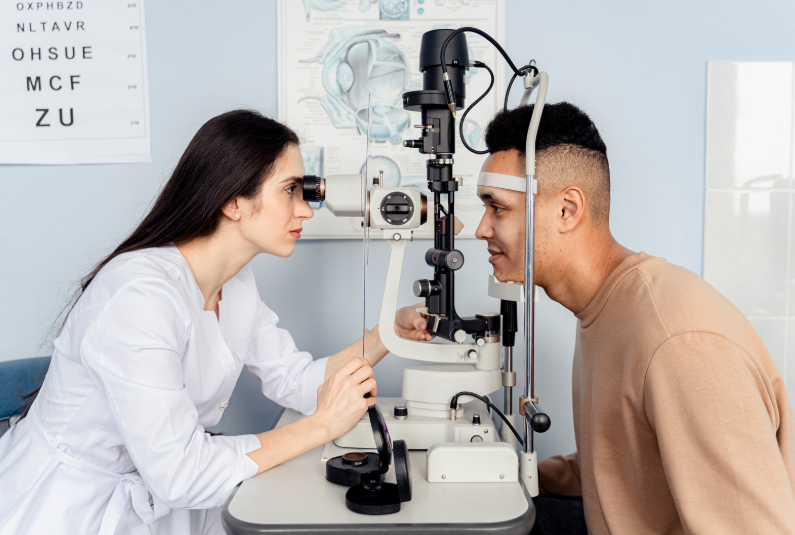
A full eye assessment does more than test whether a person can read letters from a chart. Visual clarity is only one part of eye health. A complete evaluation may review distance vision, near vision, eye pressure, focusing ability, eye alignment, the front portion of the eye, and deeper structures such as the lens, retina, macula, blood vessels, and optic nerve.
The exact steps may vary based on age, symptoms, family history, current medication, past eye injury, previous surgery, and existing medical conditions. Some patients may need only routine examination procedures, while others may require added testing for glaucoma, cataracts, retinal concerns, tear drainage problems, or eyelid conditions.
A Comprehensive eye health check in Bicol may also help determine whether glasses are needed, whether an existing prescription has changed, or whether further treatment should be considered. Results can guide observation, medication, follow-up testing, or surgery when clinically appropriate.
Why Eye Checks Matter Even When Vision Seems Normal
Many people seek eye care only after blurred vision starts. That approach may delay diagnosis for conditions that remain quiet during early stages. Glaucoma, for example, may damage the optic nerve gradually. A patient may not notice changes until a meaningful portion of side vision has already been affected.
Cataracts may also develop slowly. A person may adjust to dimmer vision, glare, faded colors, or reduced night-driving comfort without realizing how much visual quality has changed. Retinal or optic nerve findings may also appear before a patient notices serious symptoms.
A Comprehensive eye health check in Bicol supports preventive care by creating a visual baseline. Future results can then be compared with earlier findings. Small changes may become easier to identify, giving the ophthalmologist more information for proper monitoring and treatment planning.
Who May Need a Comprehensive Eye Assessment
Children may need eye checks when they squint, sit very close to screens, rub their eyes often, complain of headaches, or struggle with classroom tasks. Visual problems can affect reading, concentration, hand-eye coordination, and confidence at school.
Working adults may seek care because of screen-related fatigue, dryness, headaches, blurred vision, or trouble shifting focus from near work to distant objects. Adults aged 40 and above may notice difficulty reading small print as natural focusing ability changes. This age group may also benefit from closer glaucoma and cataract assessment.
Older adults may experience glare, poor night vision, faded colors, cloudy vision, or difficulty recognizing faces. People with diabetes, high blood pressure, previous eye injury, long-term medication use, prior eye surgery, or a family history of glaucoma may require more frequent checks.
A Comprehensive eye health check in Bicol can be especially useful for anyone who has delayed eye care for several years or has noticed gradual visual changes that have not yet been professionally assessed.
Medical and Visual History Review
An eye consultation often starts with questions about symptoms, daily visual demands, medical history, current medication, previous surgery, and family eye history. These details help the ophthalmologist understand possible risk factors and decide which tests may be most useful.
Patients should mention headaches, eye pain, glare, halos around lights, double vision, light sensitivity, dryness, persistent tearing, new floaters, or any recent change affecting one or both eyes. They should also mention diabetes, high blood pressure, autoimmune conditions, previous trauma, or medication that may affect eye health.
A careful history gives context to examination results. Two patients may have similar visual acuity but very different risk profiles. Personalized care depends on both measured findings and the patient’s wider health background.
Visual Acuity and Refraction Assessment
Visual acuity testing measures how clearly each eye sees at distance and near range. It can show whether one eye performs better than the other and whether a refractive error may be present.
Refraction testing helps identify nearsightedness, farsightedness, astigmatism, or age-related near-vision difficulty. It also helps determine whether a new glasses prescription may improve daily function.
These tests are important, but they do not replace a full health assessment. A patient may achieve clear vision with glasses while still having cataract, glaucoma, retinal concerns, or other eye conditions. That is why a Comprehensive eye health check in Bicol reviews both visual clarity and the health of eye structures.
Eye Pressure and Glaucoma Assessment
Eye pressure measurement forms an important part of glaucoma evaluation. Higher pressure may raise concern, but pressure results must be reviewed together with optic nerve appearance, corneal features, family history, visual field findings, and other clinical details.
Some patients may develop glaucoma even when pressure readings fall within a commonly accepted range. Others may have higher pressure without showing optic nerve damage. Proper diagnosis requires careful assessment rather than reliance on one number.
Dr. Lee Tan’s advanced glaucoma fellowship training supports detailed review of glaucoma risk, disease status, and long-term management needs. A Comprehensive eye health check in Bicol may include pressure testing, optic nerve examination, and added studies when findings suggest that closer assessment is needed.
Examination of the Front Portion of the Eye
The ophthalmologist may examine the eyelids, eyelashes, conjunctiva, cornea, tear film, anterior chamber, iris, and lens. This part of the examination may reveal dryness, inflammation, infection, corneal injury, eyelid concerns, tear drainage problems, or early lens clouding.
Patients with burning, grittiness, redness, watering, discharge, or light sensitivity may have surface or tear-related issues. Persistent tearing can sometimes relate to poor tear drainage rather than excess tear production alone. Eyelid position may also affect comfort, eye protection, and tear distribution.
Lee Tan Eye Clinic also provides care for plastic, lacrimal, and orbit concerns. This allows assessment of functional and structural problems affecting the eyelids, tear drainage system, and tissues around the eye.
Examination of the Lens, Retina, and Optic Nerve
A deeper eye examination may review the natural lens, vitreous, retina, macula, retinal blood vessels, and optic nerve. Pupil dilation may be recommended because it allows a wider view of internal structures.
Lens clouding may point to cataract. Retinal findings may relate to diabetes, high blood pressure, aging, injury, or other medical concerns. Optic nerve changes may raise suspicion for glaucoma or another nerve-related condition.
A Comprehensive eye health check in Bicol can help identify whether further imaging, visual field testing, or another diagnostic procedure is needed. Early findings may support closer monitoring before daily vision becomes seriously affected.
Cataract Detection and Surgical Planning
Cataracts occur when the natural lens becomes cloudy. Common symptoms include blurred vision, glare, halos, poor night vision, faded colors, and frequent changes to a glasses prescription. Some patients notice that reading becomes harder, while others first struggle with driving after dark.
A cataract assessment considers more than lens appearance. The ophthalmologist also reviews how much the condition affects safety, work, reading, mobility, and quality of life. Surgery may be considered when cataract symptoms interfere with daily activities.
Lee Tan Eye Clinic provides cataract surgery as part of its ophthalmological services. During surgery, the cloudy lens is removed and replaced with an artificial intraocular lens. Proper planning includes measurement, discussion of visual goals, review of other eye conditions, and postoperative follow-up.
Glaucoma Screening and Long-Term Care
Glaucoma can cause permanent optic nerve damage. Because lost vision cannot usually be restored, early detection and regular monitoring are essential. Screening may include eye pressure measurement, optic nerve assessment, visual field testing, and imaging when needed.
Patients with a family history of glaucoma, older age, previous eye injury, certain medical conditions, or suspicious optic nerve findings may need closer follow-up. Treatment may involve eye drops, laser procedures, surgery, or a combination of options, depending on disease severity and response.
Dr. Tan follows a stepwise management approach focused on reducing disability and preserving useful visual function. A Comprehensive eye health check in Bicol can serve as the first step toward identifying risk and setting a suitable follow-up plan.
Preventive and Personalized Ophthalmologic Care
Every patient has different visual demands. A student, driver, office worker, senior adult, and patient with glaucoma may each require a different care plan. Personalized ophthalmologic care considers age, occupation, symptoms, diagnosis, risk factors, daily activities, and treatment goals.
Dr. Tan places strong value on screening, prevention, and early detection. His approach aims to address concerns before they require more extensive intervention whenever possible. Patients receive recommendations based on examination findings rather than a one-size-fits-all plan.
A Comprehensive eye health check in Bicol supports this philosophy by gathering the information needed for careful decision-making. Some patients may need reassurance and routine follow-up. Others may need glasses, medication, more tests, or surgical discussion.
Signs That Should Prompt an Eye Examination
Several symptoms should not be ignored. Sudden blurred vision, severe eye pain, a curtain-like shadow, new flashes of light, a sudden rise in floaters, eye trauma, or sudden loss of vision may require urgent medical attention.
Other concerns also deserve professional assessment, including frequent headaches, double vision, persistent redness, poor night vision, halos around lights, eyelid swelling, ongoing tearing, light sensitivity, or gradual loss of visual clarity.
A Comprehensive eye health check in Bicol can help determine whether symptoms relate to a minor refractive issue, an eye surface problem, cataract, glaucoma, retinal disease, or another condition. Early assessment may prevent avoidable delay.
How Often Should Eye Health Be Checked?
The proper schedule varies. Children may need assessment based on developmental concerns, school performance, symptoms, or medical advice. Healthy adults may follow a periodic schedule based on age and risk. Adults over 40 often benefit from more regular checks because glaucoma, cataracts, and age-related visual changes become more common.
Seniors and patients with diabetes, high blood pressure, previous eye surgery, or a family history of glaucoma may need closer monitoring. Patients already diagnosed with an eye condition should follow the schedule given by their ophthalmologist.
A Comprehensive eye health check in Bicol can establish the right starting point. After reviewing the results, the eye doctor can recommend when the next visit should occur.
How to Prepare for Your Eye Check
Patients can prepare by bringing current eyeglasses, previous prescriptions, a medication list, relevant medical records, and notes about symptoms. A family eye history may also be helpful, especially when glaucoma, retinal disease, or early cataract has affected close relatives.
Patients should explain when symptoms started, whether one or both eyes are affected, and what activities make the problem better or worse. Sunglasses may be useful after pupil dilation because light sensitivity and temporary blur can occur. A companion may also be helpful when dilation could make travel less comfortable.
Good preparation allows the ophthalmologist to review concerns more efficiently and build a more complete clinical picture.
Why Choose Lee Tan Eye Clinic
Lee Tan Eye Clinic offers comprehensive ophthalmology, cataract surgery, glaucoma care, plus plastic, lacrimal, and orbit services. Care is led by Dr. Lee Tan, whose academic and clinical background supports both general eye care and subspecialty glaucoma management.
His education includes a cum laude Psychology degree from the University of the Philippines, a Doctor of Medicine degree from the UP College of Medicine, ophthalmology residency at UP–PGH, and advanced fellowship training focused on glaucoma. Five years of general ophthalmology practice before subspecialty training also provided broad clinical experience.
Patients seeking a Comprehensive eye health check in Bicol can receive assessment guided by preventive care, personalized planning, and a commitment to preserving visual function. The goal is not only to address current symptoms but also to identify risks that may affect future sight.
Take a Proactive Step for Your Vision
Eye health affects reading, work, driving, mobility, communication, and independence. Routine assessment can help detect concerns before they become harder to manage. Even patients who feel that their eyesight is normal may benefit from a complete evaluation.
A Comprehensive eye health check in Bicol offers a practical way to understand current visual health, review possible risks, and receive guidance based on professional findings. Lee Tan Eye Clinic provides careful evaluation and ophthalmologic services for patients seeking preventive, diagnostic, surgical, or long-term eye care.
Frequently Asked Questions About a Comprehensive Eye Health Check in Bicol
What does a comprehensive eye health check include?
A full assessment may include visual acuity testing, refraction, eye pressure measurement, examination of the front portion of the eye, and review of deeper structures such as the lens, retina, and optic nerve. Added tests may be recommended based on symptoms or findings.
Do I need an eye check when my vision seems clear?
Yes. Some eye conditions can begin without obvious blur or discomfort. Glaucoma and early retinal changes may not cause noticeable symptoms at first. Routine checks help detect possible concerns earlier.
Can a comprehensive eye check detect glaucoma?
A check may identify glaucoma risk or suspicious findings through eye pressure measurement, optic nerve assessment, visual field testing, and imaging when needed. Diagnosis depends on the combined results rather than a single test.
Can cataracts be found during a routine examination?
Yes. The ophthalmologist can examine the natural lens for clouding and assess whether cataract changes affect visual function. Further evaluation can help determine whether observation or surgery is appropriate.
Will my pupils need dilation?
Dilation may be recommended so the ophthalmologist can examine the retina, optic nerve, blood vessels, and other internal structures more clearly. Temporary blur and light sensitivity may follow.
Can children receive a Comprehensive eye health check in Bicol?
Yes. Children may need assessment for visual clarity, focusing, alignment, or other concerns that may affect school performance and daily activities.
How often should glaucoma patients have eye checks?
The schedule depends on eye pressure, optic nerve condition, visual field results, treatment response, and disease severity. The ophthalmologist will set a follow-up plan based on those factors.
What should I bring to an eye examination?
Bring current eyeglasses, old prescriptions, a medication list, relevant medical records, and notes about symptoms. Family eye history can also help the ophthalmologist assess risk.
Where can patients request a Comprehensive eye health check in Bicol?
Patients may seek assessment at Lee Tan Eye Clinic, where Dr. Lee Tan provides comprehensive ophthalmology, cataract surgery, glaucoma care, plus plastic, lacrimal, and orbit services.