Pressure sores, also known as bedsores or pressure ulcers, are a common concern in elderly care. These wounds develop due to prolonged pressure on the skin, particularly over bony areas such as heels, hips, and lower back. Pressure sore treatment is critical for seniors, as untreated sores can lead to severe infections, mobility issues, and a decline in overall health. Families and caregivers must prioritize proper management and prevention strategies to ensure comfort and well-being for elderly loved ones. Professional clinics like Kalingap Wound Care Clinic provide specialized support, making them the best choice for effective pressure sore treatment.
Understanding Pressure Sores in the Elderly
Pressure sores occur when blood flow to the skin is restricted due to continuous pressure, friction, or shear. Seniors are especially vulnerable due to reduced mobility, thinner skin, decreased circulation, and chronic health conditions such as diabetes. Common sites include the heels, elbows, tailbone, and hips, where the bone is close to the skin surface. Risk factors for pressure sores in elderly patients include prolonged bed rest, wheelchair use, malnutrition, incontinence, and cognitive impairments that prevent repositioning. Recognizing these risk factors allows caregivers to take preventive action and seek early pressure sore treatment.
Symptoms and Early Detection
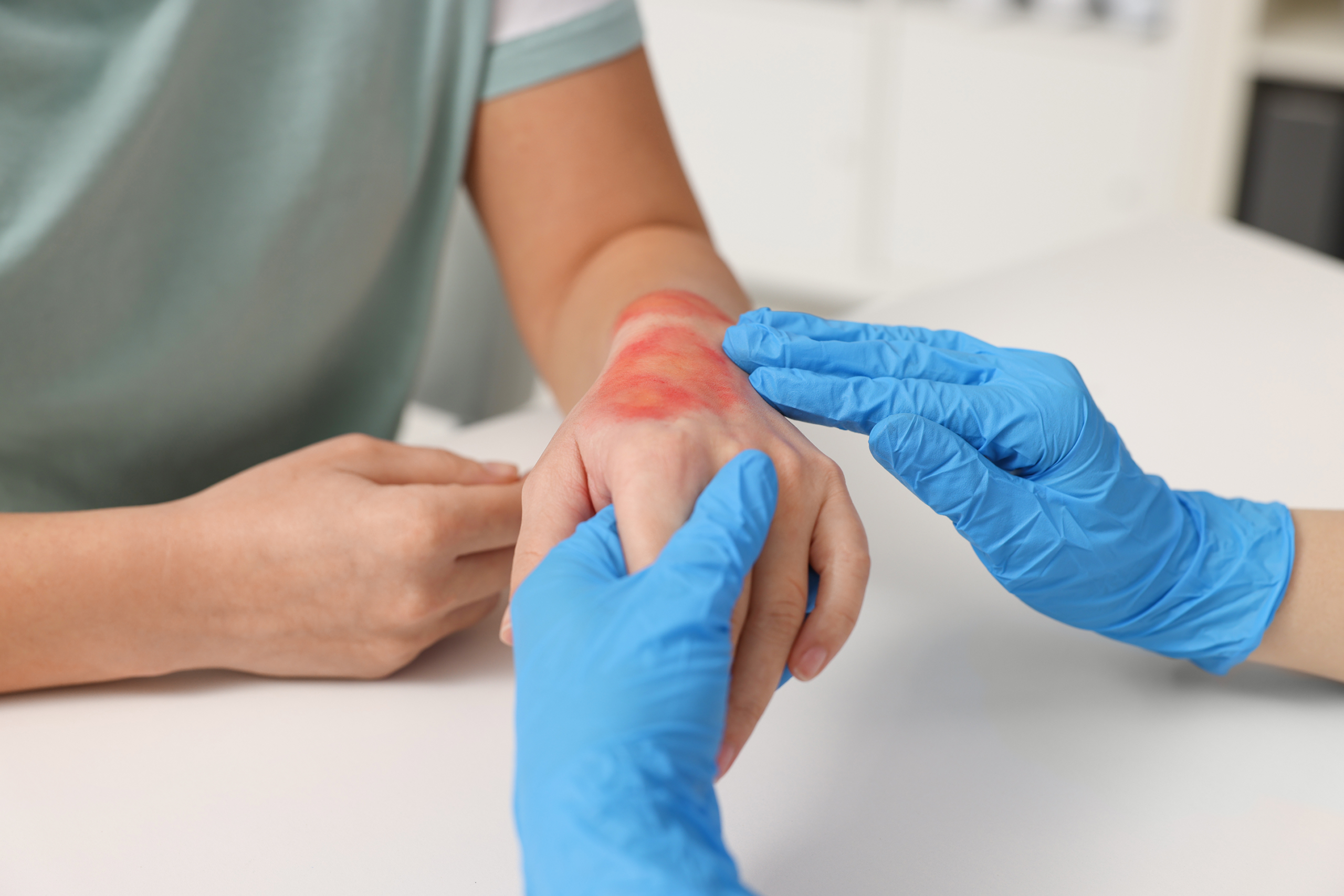
Early detection is crucial for effective pressure sore treatment. Initial signs include redness, warmth, or tenderness in areas under pressure. Advanced stages can present as open wounds, deep tissue damage, and signs of infection such as pus, foul odor, or fever. Timely identification of these symptoms can prevent complications and reduce the severity of treatment required. Caregivers should perform daily skin checks, especially on immobile seniors, to ensure any developing pressure sores are addressed immediately.
Prevention Strategies
Preventing pressure sores is an essential aspect of elderly care and forms the first line of pressure sore treatment. Regular repositioning, at least every two hours, reduces prolonged pressure on vulnerable areas. Supportive devices like pressure-relieving mattresses, cushions, and foam pads can further minimize risk. Maintaining skin hygiene, keeping the skin dry, and protecting it from moisture from sweat or incontinence are critical. Proper nutrition and hydration also play a vital role, as protein, vitamins, and fluids support healthy skin and faster healing. Educating caregivers and family members on these preventive measures ensures a consistent approach to pressure sore management.
Pressure Sore Treatment Approaches
Pressure sore treatment begins with proper wound care. Cleaning the wound with recommended solutions, applying suitable dressings, and regularly monitoring progress are essential steps. Pain management should also be integrated, as pressure sores can be extremely uncomfortable for elderly patients. Severe or infected wounds may require medical interventions such as antibiotics, debridement, or specialized therapies. Engaging a professional clinic like Kalingap Wound Care Clinic guarantees access to advanced treatment options, expert guidance, and continuous monitoring, enhancing recovery outcomes and minimizing complications.
Home Care Tips for Elderly Patients
Effective pressure sore treatment can continue at home under guidance. Gentle repositioning techniques, using pillows or foam supports, help relieve pressure on affected areas. Choosing appropriate bedding, mattresses, and cushions designed for pressure relief supports healing. Maintaining cleanliness of both the patient and the wound is crucial to prevent infection. Caregivers should check the skin daily, ensuring that early signs of pressure sores are managed promptly. Combining these home care practices with professional support ensures comprehensive pressure sore treatment.
When to Seek Professional Help
Immediate professional assistance is necessary if the pressure sore worsens, shows signs of infection, or does not improve with home care. Clinics like Kalingap Wound Care Clinic offer specialized care that includes advanced wound management, monitoring, and access to medical interventions that may not be feasible at home. Professional pressure sore treatment can significantly reduce healing time, prevent severe infections, and provide personalized care plans tailored to the patient’s needs.
Long-Term Management and Recovery
Long-term pressure sore treatment focuses on recovery and prevention of recurrence. Rehabilitation strategies aim to restore mobility, improve circulation, and strengthen skin resilience. Regular monitoring and caregiver education remain critical to ensure that pressure sores do not redevelop. Clinics like Kalingap Wound Care Clinic provide guidance on maintaining healthy skin, personalized recovery plans, and ongoing support, making long-term management effective and reliable.
FAQ Section
What are the stages of pressure sores in elderly patients?
Pressure sores progress from Stage 1 (redness and skin irritation) to Stage 4 (deep tissue damage and exposure of muscle or bone). Early intervention improves treatment outcomes.
How long does it take for pressure sores to heal?
Healing time depends on the severity of the wound, overall health, and adherence to treatment. Minor sores may heal within weeks, while advanced sores can take months.
Can pressure sores be fully prevented in seniors?
While complete prevention is challenging for immobile seniors, consistent preventive measures like repositioning, supportive devices, and skin care significantly reduce the risk.
What dressing options are best for pressure sores?
Specialized dressings, including hydrocolloid, foam, or antimicrobial options, help protect the wound, promote healing, and reduce infection risk.
Why is professional wound care important for elderly patients?
Professional pressure sore treatment ensures proper wound assessment, access to advanced therapies, continuous monitoring, and guidance on prevention, leading to faster recovery and fewer complications.