Wound care is a vital component of maintaining health and quality of life for elderly patients. Age-related changes in skin, slower healing, and underlying health conditions increase the risk of chronic wounds and infections. Wound debridement plays a crucial role in managing these challenges, removing dead or damaged tissue to promote faster and safer healing. Partnering with professionals like Kalingap Wound Care ensures that elderly patients receive compassionate and expert care during this essential procedure.
Why Wound Debridement is Critical for Elderly Patients
Elderly skin is more fragile, less elastic, and more prone to injury. These changes, combined with chronic illnesses such as diabetes and vascular disease, make wound healing slower and more complex. Untreated or poorly managed wounds can easily become infected, leading to complications that may require hospitalization. Wound debridement helps prevent these issues by removing necrotic tissue, reducing bacterial load, and stimulating the body’s natural healing processes. For seniors, regular monitoring and professional intervention are vital to avoid prolonged suffering and prevent severe outcomes.
Types of Wound Debridement Used for Seniors
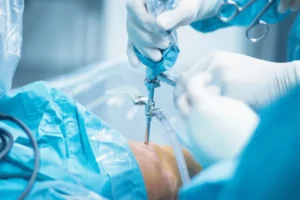
Surgical Debridement involves the careful removal of dead tissue using specialized instruments. It is typically performed when wounds contain large amounts of necrotic tissue or show signs of infection.
Autolytic Debridement uses the body’s natural enzymes to break down dead tissue. This gentle method is particularly suitable for elderly patients with sensitive skin, as it minimizes pain and trauma.
Enzymatic Debridement applies topical agents to dissolve necrotic tissue. This approach offers a safe alternative for seniors who may not tolerate surgical methods.
Mechanical Debridement involves physically removing dead tissue through methods such as wet-to-dry dressings or specialized wound cleansing. While effective, this technique requires careful monitoring to avoid damage to healthy tissue.
Professional guidance from Kalingap Wound Care ensures the appropriate debridement method is chosen for each patient, balancing effectiveness with comfort and safety.
How to Identify Wounds That Require Debridement
Early recognition of wounds requiring intervention is essential. Wounds that do not heal within a few weeks, have black or yellow necrotic tissue, emit foul odors, or show signs of infection should be evaluated promptly. Chronic ulcers, pressure sores, and diabetic foot wounds are common in elderly patients and often benefit from wound debridement. Regular assessment by trained professionals helps prevent complications and promotes faster recovery.
Benefits of Wound Debridement for Elderly Patients
Wound debridement offers multiple advantages for seniors, including accelerated healing, reduced infection risk, and improved overall comfort. Removing necrotic tissue creates a healthy environment for new tissue growth, decreasing the likelihood of chronic wounds. Proper debridement can also prevent serious complications such as gangrene or the need for amputation in high-risk patients. By entrusting care to Kalingap Wound Care, families can ensure that elderly patients receive specialized attention, pain management, and safe post-procedure support.
Common Challenges in Debridement for Seniors
Performing wound debridement on elderly patients presents unique challenges. Fragile skin increases the risk of injury during the procedure, while comorbidities like diabetes, poor circulation, or immune deficiencies can slow healing. Pain management is also critical, as seniors may have heightened sensitivity or cognitive issues that complicate treatment. Experienced providers like Kalingap Wound Care mitigate these risks through careful technique, monitoring, and individualized care plans.
Best Practices for Supporting Wound Healing Post-Debridement
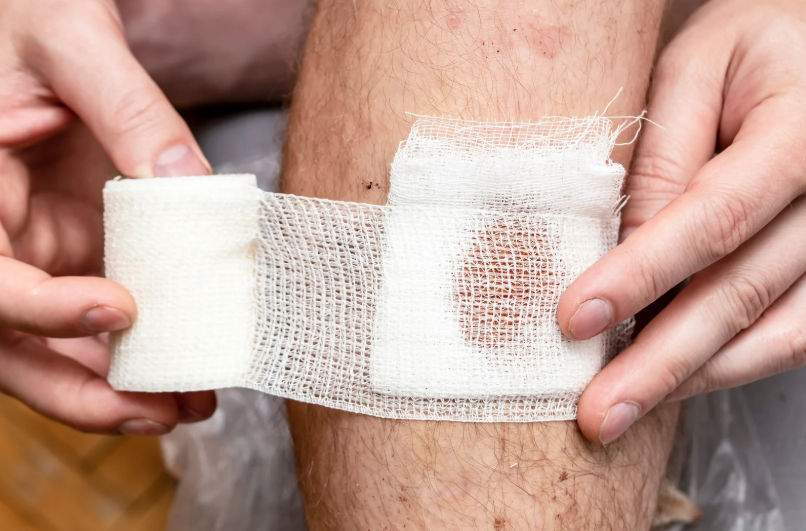
Post-debridement care is essential for ensuring optimal outcomes. Using appropriate dressings and maintaining strict hygiene can prevent infection and support tissue regeneration. Adequate nutrition, hydration, and mobility aid in the healing process, while regular follow-ups with wound care professionals help track progress. By working with Kalingap Wound Care, elderly patients benefit from comprehensive post-debridement strategies that maximize recovery and minimize complications.
How to Choose a Wound Care Specialist for Elderly Patients
Selecting a skilled provider is crucial for safe and effective wound debridement. Families should seek professionals with experience in elderly care, knowledge of various debridement techniques, and a compassionate approach. Key considerations include the provider’s track record, available treatments, and patient-centered communication. Kalingap Wound Care stands out as a trusted choice, offering expert debridement services tailored to the needs of elderly patients while prioritizing comfort, safety, and healing outcomes.
Takeaway
Wound debridement is a critical intervention for elderly patients, promoting faster healing, reducing infection risk, and preventing serious complications. Choosing a professional and compassionate provider ensures safety, comfort, and optimal recovery. Families seeking reliable wound care solutions can trust Kalingap Wound Care to deliver expert debridement services tailored to the needs of seniors, supporting their journey toward healthier, fully healed skin.
FAQ: Wound Debridement for Elderly Patients
What is wound debridement, and why is it important for seniors?
Wound debridement removes dead or damaged tissue to promote healing, reduce infection, and improve outcomes for elderly patients.
How often should elderly patients undergo wound debridement?
The frequency depends on the type and severity of the wound. A professional assessment from Kalingap Wound Care ensures timely and appropriate care.
Is debridement painful for elderly patients?
Pain levels vary depending on the method used. Gentle options like autolytic or enzymatic debridement are often preferred for seniors, with pain management strategies available.
Can wound debridement prevent amputations in diabetic patients?
Yes. Proper debridement can remove infected or necrotic tissue early, reducing the risk of severe complications such as amputation.
What aftercare is required following wound debridement?
Post-debridement care includes dressing changes, hygiene maintenance, proper nutrition, and regular monitoring by wound care professionals like Kalingap Wound Care.