Elderly care becomes more complex when open wounds are part of the picture. Aging skin is fragile, healing is slower, and small injuries can quickly turn into serious medical concerns without proper attention. Guidance from an Open Wound Doctor is essential for families and caregivers who want to protect seniors from complications while improving comfort and quality of life. Trusted providers like Kalingap Wound Care Clinic play a vital role in delivering expert, compassionate care tailored to elderly patients.
Understanding Why Seniors Are More Prone to Open Wounds
Aging naturally changes how the skin functions. An Open Wound Doctor often explains that elderly skin becomes thinner, drier, and less elastic, making it easier to tear or break. Blood circulation also decreases with age, limiting the delivery of oxygen and nutrients needed for healing. Chronic conditions such as diabetes, heart disease, or vascular problems further slow recovery. Limited mobility adds another layer of risk, as prolonged pressure on certain body areas can quickly lead to skin breakdown. These combined factors explain why open wounds are far more common and more dangerous in older adults.
Common Open Wounds Seen in Elderly Patients
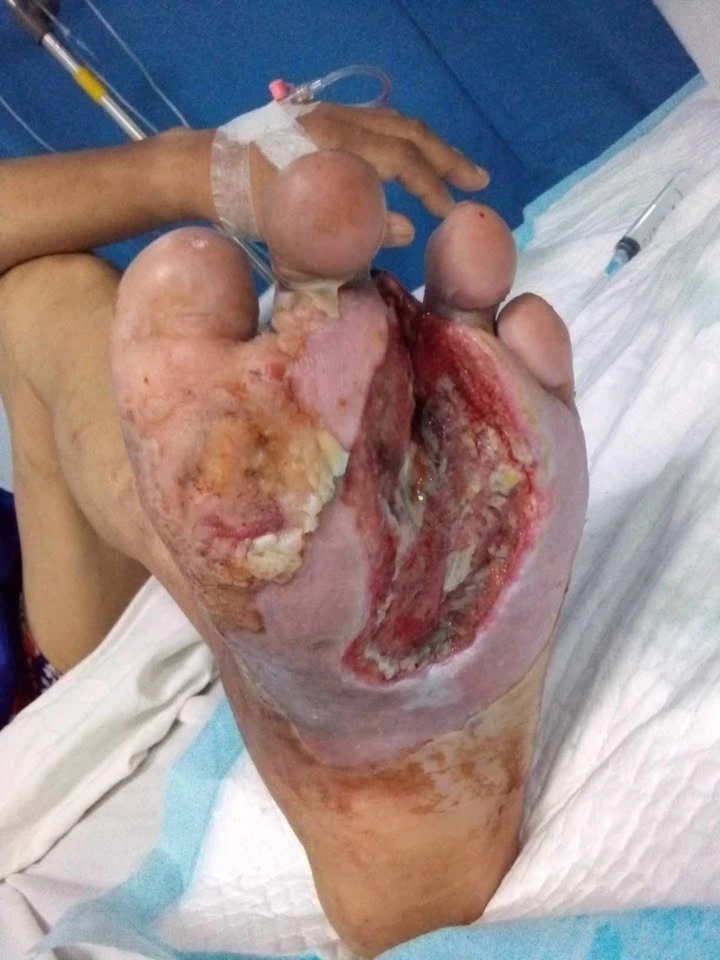
An Open Wound Doctor regularly treats several wound types among seniors. Pressure ulcers, also known as bedsores, develop from prolonged pressure on the skin. Diabetic foot wounds are another frequent concern, especially for seniors with poor sensation in their feet. Venous leg ulcers result from circulation issues in the lower extremities and can be difficult to heal without specialized care. Surgical wounds and accidental skin tears are also common due to fragile skin. At Kalingap Wound Care Clinic, each of these wounds is evaluated individually to ensure proper treatment from the start.
Early Warning Signs Families and Caregivers Should Never Ignore
Prompt attention can prevent minor wounds from becoming major problems. An Open Wound Doctor advises caregivers to watch for redness that does not fade, warmth around the skin, or swelling near a wound. Drainage, foul odor, or increasing pain are strong indicators of infection. Delayed healing, even with basic care, signals the need for professional evaluation. Early intervention at Kalingap Wound Care Clinic can significantly reduce complications and recovery time.
Daily Elderly Care Tips to Prevent Open Wounds
Prevention remains one of the strongest recommendations from an Open Wound Doctor. Gentle daily cleansing helps remove bacteria without irritating the skin. Moisturizing keeps skin supple, but overhydration should be avoided to prevent maceration. Repositioning bedridden seniors every few hours relieves pressure on vulnerable areas. Clothing and bedding should be soft, breathable, and properly fitted to reduce friction. These small daily habits can make a major difference in long-term skin health.
Nutrition and Hydration Advice from an Open Wound Doctor
Healing starts from within, and an Open Wound Doctor emphasizes the role of proper nutrition. Protein supports tissue repair and immune function, making it essential for elderly patients with wounds. Vitamins such as A, C, and E, along with minerals like zinc, help strengthen skin and promote healing. Hydration maintains skin elasticity and supports circulation. At Kalingap Wound Care Clinic, nutritional guidance is often part of a comprehensive wound care plan, ensuring the body has what it needs to heal effectively.
Proper Wound Care Practices for Seniors at Home
Home care plays a supportive role but must be done correctly. An Open Wound Doctor recommends gentle cleaning using appropriate solutions rather than harsh antiseptics. Dressings should be selected based on the wound type and changed at proper intervals. Common mistakes include leaving wounds uncovered too long or using unapproved remedies. When wounds show signs of worsening, professional care from Kalingap Wound Care Clinic becomes essential to prevent infection and delayed healing.
Preventing Infections in Elderly Open Wounds
Infection prevention is a top priority for any Open Wound Doctor. Clean environments, proper hand hygiene, and sterile dressing techniques reduce bacterial exposure. Caregivers should also avoid unnecessary touching of wounds. Overuse of antibiotics can create resistance, so treatment must be guided by medical expertise. Clinics like Kalingap Wound Care Clinic focus on evidence-based infection control methods to protect vulnerable elderly patients.
Mobility, Exercise, and Circulation Support for Faster Healing
Movement supports healing by improving circulation, a key point emphasized by an Open Wound Doctor. Gentle exercises approved for seniors encourage blood flow without causing strain. Physical therapy may be recommended to maintain mobility and reduce pressure-related wounds. Rest remains important, but balanced activity supports faster recovery. Kalingap Wound Care Clinic often coordinates with rehabilitation professionals to support safe movement plans.
When to Seek Help from an Open Wound Doctor
Not all wounds can be managed at home. An Open Wound Doctor should be consulted when wounds fail to improve, worsen, or recur frequently. Signs of systemic infection, such as fever or spreading redness, require immediate medical attention. Early specialist involvement improves outcomes and reduces long-term complications. Engaging Kalingap Wound Care Clinic early ensures access to advanced treatments and expert monitoring.
How an Open Wound Doctor Supports Elderly Long-Term Care
Long-term wound management requires expertise and consistency. An Open Wound Doctor conducts detailed assessments, identifies underlying causes, and creates personalized treatment plans. Advanced dressings, wound therapies, and regular monitoring are part of comprehensive care. Kalingap Wound Care Clinic stands out for its patient-centered approach, working closely with families and caregivers to prevent recurrence and support healing.
Frequently Asked Questions About Elderly Wound Care
How long do open wounds take to heal in elderly patients?
Healing time varies depending on the wound type, overall health, and circulation. An Open Wound Doctor can provide realistic timelines after proper assessment.
Can open wounds in seniors heal without medical treatment?
Minor wounds may heal with basic care, but many elderly wounds require professional oversight. Delayed treatment increases the risk of infection and complications.
What is the most common cause of non-healing wounds in the elderly?
Poor circulation, unmanaged chronic conditions, and infection are common reasons. An Open Wound Doctor focuses on identifying and addressing these factors.
Are pressure sores always preventable?
Many pressure sores can be prevented with proper repositioning and skin care. An Open Wound Doctor provides guidance to reduce risk, especially for bedridden seniors.
How often should an elderly wound be checked by a doctor?
Regular monitoring is important, especially for chronic wounds. Kalingap Wound Care Clinic recommends scheduled visits based on wound severity and healing progress.