Understanding Wound Treatment Centers
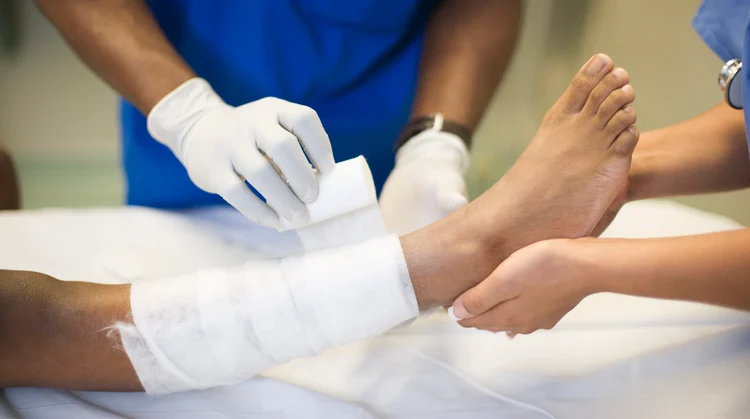
A wound treatment center is a specialized medical facility dedicated to diagnosing, treating, and managing various types of wounds. These centers differ significantly from general clinics or hospitals because they focus exclusively on advanced wound care. Their expertise often covers chronic wounds, surgical wounds, diabetic ulcers, pressure sores, and injuries that have not healed through standard treatment. Unlike typical healthcare facilities, wound treatment centers utilize state-of-the-art equipment and specialized care teams to ensure optimal healing outcomes. They offer tailored care plans designed for each patient’s specific needs. Understanding the role of these centers helps patients make informed decisions about their wound care journey. Choosing the right wound treatment center can dramatically improve recovery time and reduce complications.
Key Services Offered
A wound treatment center provides a wide range of services to address different wound types and healing requirements. These services are designed to address both the root cause and symptoms of wounds. Common offerings include advanced wound care therapies such as hyperbaric oxygen therapy, which uses pressurized oxygen to promote healing. Negative pressure wound therapy is another advanced technique that accelerates recovery by reducing swelling and improving blood flow. Infection management and prevention are critical components of wound care to avoid further complications. Many centers also specialize in diabetic wound care, offering targeted treatment for ulcers caused by diabetes. Surgical wound treatment ensures proper healing after operations, while chronic wound management provides ongoing support for long-term recovery. Post-surgical recovery support is also a standard service to ensure the wound heals completely and efficiently.
Technology and Techniques in Modern Wound Treatment Centers
Modern wound treatment centers rely on advanced technology to improve treatment results and patient comfort. Diagnostic tools such as high-resolution imaging allow specialists to assess wounds accurately. These tools help identify infection sources, tissue damage, and healing progress. Innovative wound dressing materials, such as bioengineered skin substitutes, can speed up the healing process while reducing discomfort. Some centers integrate digital wound monitoring systems that track progress and send real-time data to doctors. Telemedicine is increasingly being used for follow-up care, allowing patients to consult specialists without returning to the center in person. This approach not only increases convenience but also maintains continuity in wound care. Technology in wound treatment centers helps ensure patients receive precision care tailored to their needs.
Factors to Consider When Choosing a Wound Treatment Center
Selecting the right wound treatment center is a decision that requires careful consideration. Several factors can influence the quality of care and overall experience.
- Accreditation and certifications – Look for centers accredited by recognized healthcare organizations.
- Experience and expertise of medical staff – Qualified wound care specialists enhance recovery outcomes.
- Range of services offered – Choose a center that provides advanced therapies and personalized care plans.
- Availability of specialized wound care programs – Programs like diabetic wound care or hyperbaric therapy can make a significant difference.
- Accessibility and location – Choose a center that is conveniently located for regular visits.
- Cost and insurance coverage – Ensure services are affordable and covered by your insurance plan.
Choosing a wound treatment center should also consider the reputation of the facility. Patient reviews and recommendations can offer insights into the level of care provided. The goal is to find a center that not only treats wounds but supports the patient’s overall healing journey.
Benefits of Professional Wound Treatment Centers
Patients often experience significant benefits from receiving treatment at a professional wound treatment center. Healing time is generally faster because of specialized techniques and focused care. These centers reduce the risk of wound-related complications by using proven treatment methods. Personalized wound care plans cater to the individual’s specific condition, ensuring more effective recovery. Chronic wounds receive ongoing monitoring and treatment adjustments to maintain progress. Patients also benefit from enhanced comfort, as treatment is managed by trained specialists who understand the complexities of wound care. Wound treatment centers offer peace of mind to patients and their families, knowing that healing is being overseen by dedicated experts.
Preparing for Your First Appointment
Before visiting a wound treatment center, preparation is key to ensuring an effective consultation. Bringing a complete medical history helps specialists assess the wound accurately. This should include past treatments, surgeries, and any relevant health conditions. Patients should also bring wound records such as photographs or medical reports. A list of current medications will help the medical team identify any factors affecting healing. During the first appointment, specialists will conduct a thorough examination and possibly run diagnostic tests. This session is also an opportunity to discuss expectations, treatment options, and timelines. Asking questions and understanding the treatment plan will make the process smoother and more effective.
Long-Term Wound Care and Maintenance
Wound treatment does not stop once healing begins; long-term care is essential to prevent recurrence. Patients should follow the wound care instructions provided by the treatment center. Home care tips may include cleaning the wound regularly, using prescribed dressings, and avoiding activities that strain the affected area. Lifestyle changes, such as maintaining proper nutrition and managing chronic conditions like diabetes, are important. Regular follow-up visits at the wound treatment center allow specialists to monitor progress and make necessary adjustments. Long-term care plans often include education for patients and caregivers to ensure wounds heal completely. Consistent care is key to reducing the chances of infection and improving overall health outcomes.
Common Myths and Misunderstandings About Wound Care
Many people have misconceptions about wound care, which can affect treatment outcomes. One common myth is that all wounds heal on their own without specialized care. While minor cuts may heal naturally, chronic and complex wounds require professional attention. Another misunderstanding is that wound care is only about bandaging; it actually involves comprehensive treatment that includes infection control, pain management, and lifestyle adjustments. Some people also believe wound treatment centers are only for severe injuries, when they can treat a wide range of wounds. Clarifying these points helps patients make informed choices about their care. Understanding the truth about wound treatment empowers patients to seek appropriate treatment sooner, improving healing results.
Frequently Asked Questions (FAQ)
What types of wounds require specialized treatment?
Specialized wound treatment is often needed for chronic wounds, surgical wounds, diabetic ulcers, pressure sores, burns, and wounds that fail to heal after standard care.
How long does wound healing typically take at a wound treatment center?
Healing time depends on wound type, severity, and patient health, but specialized treatment can significantly reduce recovery time.
Can all wounds be treated at a wound treatment center?
Most wounds can be treated, but the complexity and resources available may vary. Some centers specialize in specific wound types.
Is wound care covered by insurance?
Coverage depends on your insurance plan and the type of wound care required. It’s best to confirm with your provider before treatment.
How do I know if my wound needs specialist care?
Wounds that do not heal within a standard time frame, show signs of infection, or are linked to underlying health conditions should be evaluated by a specialist.
Takeaway
A wound treatment center provides specialized care that can make a profound difference in healing outcomes. These centers offer advanced therapies, personalized treatment plans, and ongoing monitoring to ensure wounds heal effectively and safely. Choosing the right facility requires understanding the services available, evaluating the expertise of the staff, and considering accessibility and cost. With the right wound treatment center, patients can benefit from faster healing, reduced risk of complications, and a higher quality of life. Prioritizing professional wound care is an investment in long-term health and wellbeing.