
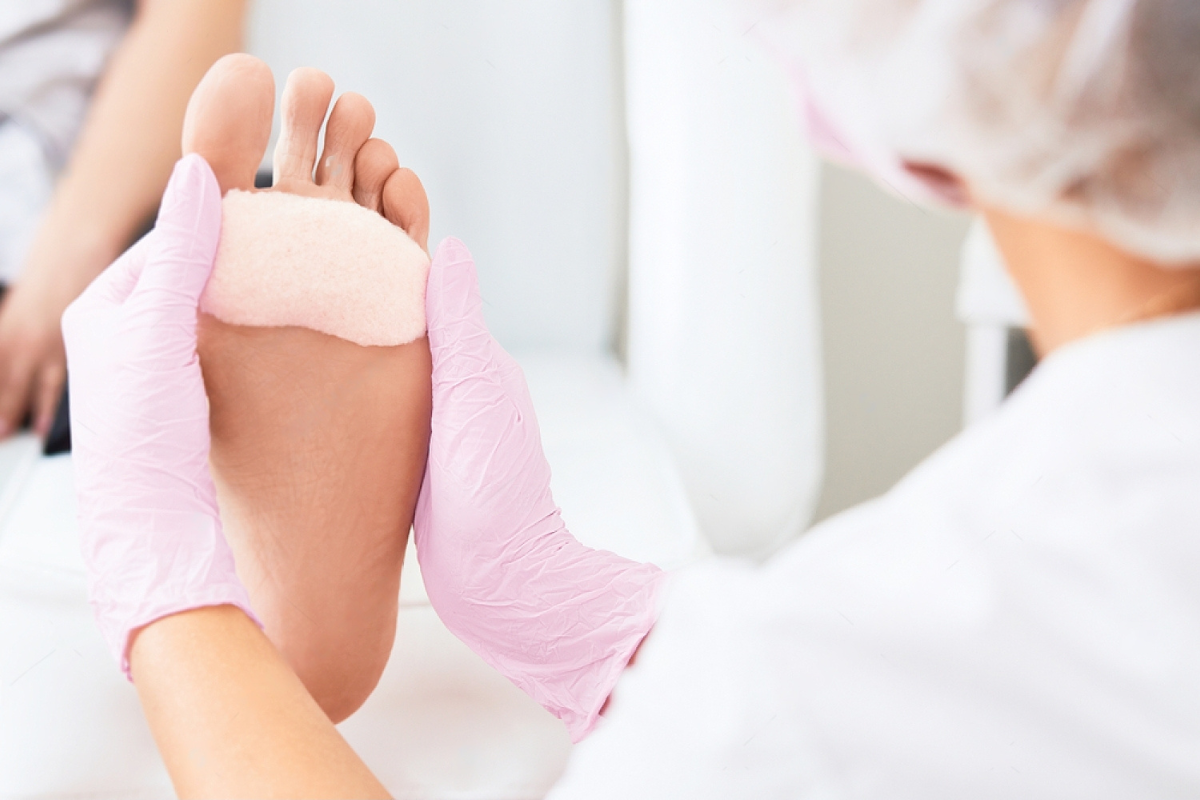
Toe ulcers, often resulting from underlying health conditions like diabetes, poor circulation, or neuropathy, can be a painful and potentially serious issue if not managed properly. These sores typically occur on the feet and require specialized orthopedic care to heal effectively and prevent complications. This article explores the key orthopedic approaches to treating toe ulcers, emphasizing both the treatment options and preventive measures that can improve outcomes and quality of life.
Understanding Toe Ulcers
Toe ulcers are open sores that form on the skin, usually on the toes or the ball of the foot. They are most commonly associated with conditions that affect blood flow or nerve function, such as diabetes, peripheral artery disease (PAD), and neuropathy. Diabetes, for instance, can lead to reduced sensation in the feet, making it difficult for individuals to detect cuts, scrapes, or pressure sores that may develop into ulcers. Poor circulation exacerbates the issue by limiting blood flow to the affected area, hindering the body’s ability to heal. Without proper intervention, these ulcers can worsen, increasing the risk of infection, which can potentially spread to the deeper tissues and bones of the foot.
Orthopedic Approaches to Treating Toe Ulcers
Orthopedic treatment for toe ulcers focuses on reducing pressure, promoting healing, and preventing infection. One of the first steps in managing a toe ulcer is debridement, a process that involves removing dead or infected tissue to allow for healthier tissue growth. This is typically performed by a healthcare professional and can significantly reduce the risk of infection. Alongside debridement, pressure relief is crucial. This is often achieved through offloading techniques such as using specialized shoes or orthotic devices. These interventions help redistribute weight away from the ulcerated area, minimizing the risk of further injury.
Footwear modification is another key aspect of treatment. The selection of appropriate shoes is vital in protecting the ulcer from repeated trauma. Shoes that fit well, have a deep toe box, and provide adequate cushioning can significantly reduce pressure on the ulcerated area. Orthopedic inserts or custom-made orthotics may also be recommended to support the foot and prevent ulcers from recurring. Wound care is equally important in the management of toe ulcers. Keeping the ulcer clean and protected with sterile dressings and regular bandage changes helps to prevent infection and supports the healing process.
Medication may also play a role in treating toe ulcers. Antibiotics are commonly prescribed to manage infections, while pain relievers can help alleviate discomfort. For individuals with underlying conditions like diabetes, controlling blood sugar levels is critical to promote healing and reduce the risk of complications. In some cases, advanced treatments like hyperbaric oxygen therapy or negative pressure wound therapy may be necessary. Hyperbaric oxygen therapy enhances oxygen delivery to the tissues, aiding in the healing of chronic wounds. Negative pressure wound therapy, which uses a vacuum to remove fluid and stimulate healing, may be used when ulcers are particularly resistant to standard treatments.
Preventive Measures and Long-term Management
Preventing toe ulcers and managing them effectively over the long term requires a multifaceted approach. For individuals with diabetes, strict blood sugar management is essential to reduce the risk of complications. Regular foot check-ups are recommended to monitor healing and catch any new ulcers early. Lifestyle modifications, such as quitting smoking, maintaining a healthy diet, and engaging in regular exercise, can also improve circulation and reduce the risk of ulcers. Patient education is another critical component. Individuals at risk should be educated about proper foot care practices, including how to inspect their feet daily for any signs of injury or ulcer formation.
Avoiding common myths about toe ulcers is important. For example, not all ulcers are painful, so even if there is no pain, it is essential to seek medical attention. Professional treatment is always preferred over home remedies, which may exacerbate the condition or delay healing. Medical specialists, including podiatrists and orthopedic surgeons, are trained to manage complex cases and offer the most appropriate care tailored to individual needs. These experts can provide the necessary support to prevent ulcers from worsening and guide patients through effective healing strategies.
Frequently Asked Questions (FAQ)
Q: What are the signs that a toe ulcer is healing or worsening?
A: Signs of healing include a decrease in redness, swelling, and drainage from the ulcer. The appearance of new skin tissue and a reduction in pain are also positive indicators. A worsening ulcer might exhibit increased pain, redness, swelling, or discharge, suggesting an infection. Immediate medical attention is recommended if these symptoms appear.
Q: Can toe ulcers be prevented?
A: Yes, toe ulcers can be prevented, especially in individuals with diabetes. Key preventive measures include managing blood sugar levels, wearing protective footwear, avoiding injury, and performing regular foot inspections to catch any issues early. Proper hygiene and keeping the feet clean and dry are also essential.
Q: How long does it take for a toe ulcer to heal?
A: The healing time for a toe ulcer can vary depending on the severity and underlying cause. Mild ulcers might heal in a few weeks with proper treatment, while more severe cases could take months. Consistent care and adherence to treatment protocols are crucial to speed up the healing process.
Q: What should I do if I notice an ulcer but have no pain?
A: Even if you don’t feel pain, it’s important to seek medical attention if you notice an ulcer. Pain may not always be present, especially in individuals with neuropathy. Early treatment can help prevent the ulcer from worsening and speed up recovery.
Q: When should I seek immediate medical attention?
A: Immediate medical attention is necessary if you notice signs of infection (increased pain, redness, swelling, or discharge), if the ulcer is not healing despite treatment, or if you have diabetes and suspect the ulcer is affecting deeper tissues. Timely intervention can prevent serious complications.