
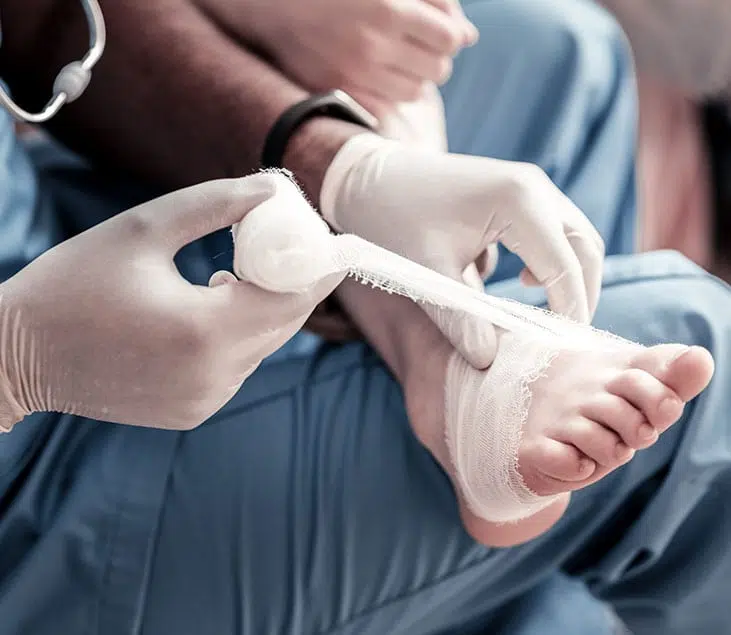
Infected wounds are a significant concern in the field of orthopedics, posing challenges both in terms of healing and potential complications. Understanding the nature of infected wounds, their causes, symptoms, diagnostic approaches, and treatment strategies is essential for effective management. This article explores the various aspects of orthopedic treatment for infected wounds, offering insights into prevention, care, and recovery.
Understanding Infected Wounds in Orthopedics
Infected wounds in orthopedics typically develop when bacteria enter the surgical site or a traumatic injury, leading to inflammation and potential damage to surrounding tissues. These infections can occur post-surgery, following fractures, or as a result of open wounds from accidents. Early detection and intervention are crucial to prevent the spread of infection and manage it effectively. Infections may lead to prolonged hospital stays, additional surgeries, or complications like osteomyelitis if not addressed promptly. The risk factors include compromised immune systems, poorly controlled diabetes, or improper wound care post-injury.
Common Causes of Infected Wounds in Orthopedics
The majority of orthopedic infections stem from bacterial contamination during or after surgical procedures. Contaminated surgical instruments, inadequate antiseptic techniques, and poor sterilization of wound dressings can introduce pathogens into the wound. Skin flora, primarily consisting of Staphylococcus aureus and Streptococcus species, are common culprits. Delayed wound healing or comorbid conditions like vascular diseases or diabetes further exacerbate the risk of infection. The skin acts as a primary barrier against pathogens; any breach—whether through surgery or trauma—invites infection. Additionally, underlying health conditions such as obesity or immunosuppressive therapies can further heighten the risk of developing an infected wound.
Symptoms of Infected Wounds
Recognizing the symptoms of an infected wound is key to timely intervention. Common signs include redness, warmth, and swelling around the wound site. Pain and tenderness are often pronounced, and pus or other discharge may appear. Systemic symptoms such as fever and chills may also indicate an infection spreading beyond the localized wound area. These symptoms necessitate immediate medical attention to prevent the infection from worsening and affecting deeper tissues or joints. Ignoring these signs can lead to serious complications like chronic infection or osteomyelitis, where bacteria infect the bone.
Diagnostic Approaches
Diagnosing an infected wound typically involves a combination of physical examination, patient history, and laboratory tests. A healthcare provider will conduct a thorough physical check and may ask about any recent surgeries, injuries, or symptoms. Laboratory tests such as blood cultures and wound cultures help identify the specific bacteria causing the infection and their antibiotic sensitivity. Imaging studies, including X-rays, MRI, or CT scans, are utilized to assess the extent of the infection and determine whether it has spread to deeper tissues or bones. These diagnostic tools guide the selection of the most effective treatment strategy.
Orthopedic Treatment Strategies for Infected Wounds
Treatment for infected wounds depends on several factors including the type of bacteria present, the severity of the infection, and the overall health of the patient. Conservative management is often the first line of defense. This includes cleaning the wound, removing any infected or dead tissue (debridement), and administering antibiotics tailored to the specific pathogen. Pain management is crucial and may involve nonsteroidal anti-inflammatory drugs (NSAIDs) or other pain relief methods. Surgical intervention becomes necessary if the infection is not responding to conservative measures or if there is an abscess that needs drainage. This could involve removing infected tissue, repairing damaged skin, or using surgical techniques to clean the wound thoroughly. Topical treatments such as antimicrobial dressings and silver sulfadiazine are also used to promote healing and prevent further infection.
Post-Treatment Care and Monitoring
After treatment, proper wound care is essential for recovery. Patients need to follow the prescribed regimen strictly, including keeping the wound clean and dry, taking medications as directed, and attending follow-up appointments to monitor the healing process. Home care may include changing dressings and using prescribed topical antibiotics. Regular monitoring is important to ensure that the infection does not recur or spread. Preventive measures, such as maintaining good hygiene and using prophylactic antibiotics in high-risk situations, can significantly reduce the chances of future infections. Educating patients on these aspects can play a crucial role in preventing complications and ensuring optimal recovery.
Potential Complications and Risks
Despite the best efforts to manage infected wounds, complications can occur. Chronic infections like osteomyelitis, where the bone becomes infected, can result from untreated or recurrent infections. Scarring and deformities are also possible outcomes, particularly if the infection damages underlying tissues or bones. The overuse of antibiotics can lead to drug-resistant bacteria, making subsequent infections harder to treat. Systemic spread of infection is another concern, as bacteria can enter the bloodstream and cause sepsis, a life-threatening condition. Understanding these risks highlights the importance of careful treatment and monitoring to prevent severe outcomes.
FAQ (Frequently Asked Questions)
- What are the signs of an infected orthopedic wound?
Common signs include redness, swelling, pain, warmth, and pus discharge from the wound. Systemic symptoms such as fever and chills may also indicate an infection. - How can I prevent an infection after surgery?
Preventive measures include maintaining proper hygiene, following post-surgery care instructions, and taking prophylactic antibiotics as recommended by your healthcare provider. - When should I seek medical help for a wound infection?
Seek medical help if you notice increasing pain, redness, swelling, or pus discharge from the wound. Fever and chills may also signal a systemic infection. - What are the treatment options if an infection occurs after surgery?
Treatment typically involves a combination of debridement, antibiotics, and, if necessary, surgical intervention to remove infected tissue or repair damaged skin. - How long does it take for an infected wound to heal?
The healing time for an infected wound varies depending on factors such as the severity of the infection, the patient’s overall health, and the treatment received. It can take several weeks to months for complete recovery.