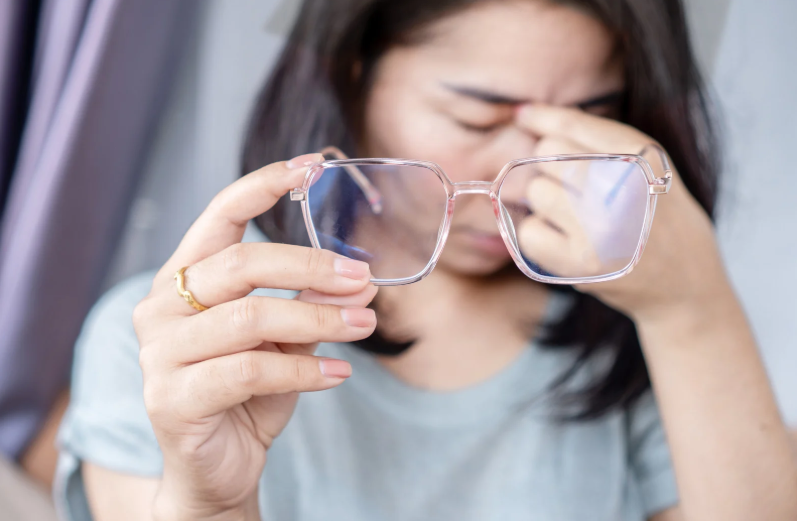
Low Vision is a visual impairment condition where a person experiences significant vision loss that cannot be fully corrected with standard eyeglasses, contact lenses, medication, or surgery. Low Vision can affect daily activities such as reading, writing, recognizing faces, and moving safely in different environments. Many individuals with Low Vision still retain some usable vision, which can be enhanced through proper care and the use of assistive devices.
Low Vision is commonly caused by eye conditions such as glaucoma, diabetic retinopathy, age-related macular degeneration, and advanced cataracts. These conditions gradually affect central or peripheral vision, leading to challenges that require long-term management rather than simple correction. Understanding Low Vision is the first step toward improving quality of life and maintaining independence.
Understanding Assistive Devices for Low Vision
Assistive devices for Low Vision are specially designed tools that help individuals maximize their remaining vision. These devices do not cure Low Vision, but they significantly improve visual function and daily performance. People with Low Vision often rely on these tools to read, write, watch television, use mobile phones, and perform work-related tasks.
Low Vision assistive devices are selected based on the severity of vision loss and the individual’s specific needs. A proper Low Vision assessment is important to ensure the right device is recommended. With consistent use, assistive devices can greatly enhance independence and confidence for individuals living with Low Vision.
Types of Low Vision Assistive Devices
Optical Devices for Low Vision
Optical devices are among the most common tools used in Low Vision care. These devices include magnifying glasses, high-powered reading glasses, handheld magnifiers, and telescopic lenses. They work by enlarging text or objects, making them easier to see for individuals with Low Vision. Optical aids are often used for reading books, newspapers, labels, and performing detailed tasks.
Electronic Devices for Low Vision
Electronic assistive devices are advanced tools designed to support individuals with more severe Low Vision. These include video magnifiers, closed-circuit television (CCTV) systems, screen-reading software, and smartphone accessibility features. Electronic devices can adjust brightness, contrast, and magnification levels, providing flexible support for different Low Vision needs. Many individuals with Low Vision benefit greatly from combining electronic and optical devices.
Non-Optical Devices for Low Vision
Non-optical devices focus on improving the environment to support Low Vision rather than magnifying images. These include large-print books, high-contrast writing tools, bold markers, talking watches, and improved lighting systems. Simple changes such as brighter lighting or color contrast improvements can make a significant difference for people living with Low Vision.
Benefits of Assistive Devices for Low Vision
Assistive devices provide many benefits for individuals with Low Vision. One of the most important benefits is improved independence in daily life. With the help of Low Vision aids, individuals can read, cook, manage medications, and perform personal tasks with less assistance from others.
Low Vision devices also improve safety by reducing the risk of accidents caused by poor visibility. Enhanced vision support allows individuals to move more confidently in both indoor and outdoor environments. Additionally, Low Vision assistive devices help improve emotional well-being by reducing frustration and increasing self-confidence. Many people with Low Vision regain the ability to continue working, studying, and enjoying hobbies through the right support tools.
Who Needs Low Vision Assistive Devices?
Low Vision assistive devices are designed for individuals experiencing permanent or progressive vision loss. Seniors with age-related eye conditions often require Low Vision support to maintain independence. Patients diagnosed with chronic eye diseases such as glaucoma or diabetic retinopathy also benefit from Low Vision devices.
Individuals who struggle with daily visual tasks even after wearing prescription glasses may also need Low Vision evaluation. Anyone experiencing reduced vision that affects quality of life should consider seeking Low Vision care and assessment.
How Low Vision Assessment Works
A Low Vision assessment is a detailed evaluation of how a person uses their remaining vision. During this process, eye care professionals measure visual acuity, contrast sensitivity, and functional vision abilities. The goal is to understand how Low Vision affects daily activities and determine the most effective support tools.
After assessment, customized Low Vision assistive devices are recommended based on individual needs. Patients are also trained on how to properly use these devices to maximize benefits. Low Vision rehabilitation may include practice sessions, lifestyle adjustments, and guidance on improving visual efficiency in different environments.
Living Better with Low Vision Support
Living with Low Vision requires adjustments, but with the right strategies, individuals can continue to live fulfilling lives. Improving home lighting, using bold labels, organizing spaces, and reducing visual clutter are simple but effective ways to support Low Vision management.
Emotional support is also important for individuals coping with Low Vision. Adjusting to vision loss can be challenging, but rehabilitation programs and proper counseling can help build confidence and resilience. Low Vision care focuses not only on improving sight but also on improving overall quality of life.
Low Vision Care in the Philippines
Access to professional Low Vision care is essential for effective management of vision impairment. In the Philippines, specialized eye clinics provide comprehensive services for individuals experiencing Low Vision, including diagnosis, rehabilitation, and assistive device guidance.
One of the most trusted providers of Low Vision services is Peregrine Eye and Laser Institute. This clinic offers expert evaluation and personalized care for patients with Low Vision. With advanced diagnostic tools and experienced eye specialists, they help patients find the most suitable Low Vision assistive devices and treatment plans. Their approach focuses on improving visual function and helping patients maintain independence despite Low Vision challenges.
Why Choose Professional Low Vision Services?
Professional Low Vision services are important because they ensure accurate diagnosis and proper management. Low Vision conditions require specialized evaluation that goes beyond standard eye exams. Expert care ensures that individuals receive the correct assistive devices suited to their specific Low Vision needs.
Clinics like Peregrine Eye and Laser Institute provide access to advanced Low Vision technologies and rehabilitation programs. These services help individuals adapt to vision loss while improving daily functionality. Professional guidance also ensures long-term support for progressive Low Vision conditions.
Takeaway
Low Vision is a condition that requires ongoing care, support, and proper management to maintain quality of life. With the help of assistive devices, individuals with Low Vision can regain independence and continue performing essential daily activities. Proper Low Vision assessment and rehabilitation play a crucial role in selecting the right tools for each patient.
Seeking professional care from trusted providers such as Peregrine Eye and Laser Institute ensures that individuals with Low Vision receive accurate diagnosis, effective assistive devices, and long-term support. With the right guidance, living well with Low Vision becomes not only possible but achievable.
Frequently Asked Questions About Low Vision and Assistive Devices
What is Low Vision?
Low Vision is a condition where vision loss cannot be fully corrected with glasses, medication, or surgery, but some usable vision remains.
Can Low Vision be cured?
Low Vision cannot usually be cured, but it can be effectively managed using assistive devices and rehabilitation programs.
What are the best assistive devices for Low Vision?
The best devices depend on the severity of Low Vision but may include magnifiers, telescopic lenses, and electronic video magnifiers.
Who should get a Low Vision assessment?
Anyone experiencing difficulty performing daily visual tasks despite wearing corrective lenses should undergo a Low Vision assessment.
Where can I get Low Vision treatment in the Philippines?
Specialized clinics such as Peregrine Eye and Laser Institute provide comprehensive Low Vision care and assistive device support.