
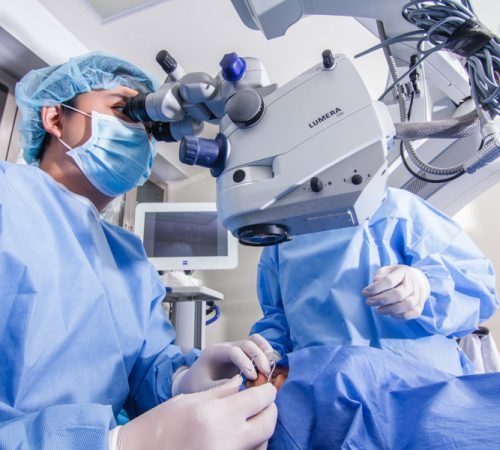
Nearsightedness or myopia can make daily activities challenging. Struggling with glasses or contact lenses often affects quality of life, especially for those with moderate to high myopia. Phakic IOL offers a permanent solution for patients seeking a reliable alternative to traditional vision correction methods. This advanced procedure allows individuals to regain clear vision without altering the natural lens of the eye. Peregrine Eye and Laser Institute, a leading eye care facility in Metro Manila, provides expert Phakic IOL treatments using state-of-the-art technology and experienced ophthalmologists.
Phakic IOL is designed for individuals who are not ideal candidates for laser vision correction or who wish to maintain the natural lens of their eyes while correcting refractive errors. Unlike other corrective procedures, Phakic IOL implants a lens directly into the eye to improve focus and reduce dependence on external vision aids. Patients report high satisfaction rates, especially those with severe nearsightedness that cannot be fully corrected with glasses or contacts. With proper assessment and surgical precision, Phakic IOL can restore clear vision safely and effectively.
What is Phakic IOL?
Phakic IOL, short for phakic intraocular lens, is a specialized lens implanted surgically into the eye to correct myopia. The procedure keeps the natural lens intact while providing the optical correction needed for clearer vision. When the natural lens has been removed, as occurs during cataract surgery, a similar implant is called a pseudophakic IOL. Phakic IOLs are typically made from high-quality plastic or silicone materials and can be placed either in front of or behind the iris, depending on the patient’s anatomy and the type of lens used.
The function of Phakic IOL is to correct refractive errors that cause blurred vision. These errors occur when the eye cannot focus light directly on the retina, resulting in out-of-focus images. By adding an intraocular lens, Phakic IOL improves the eye’s focusing ability, providing sharper vision without the need for glasses or contact lenses. Each lens is carefully measured and customized to match the patient’s prescription, ensuring accurate and effective correction of nearsightedness.
Phakic IOL also provides an option for patients who have thin corneas, irregular corneal shapes, or other conditions that make laser surgery unsuitable. Unlike laser procedures that reshape the cornea, Phakic IOL preserves corneal structure and can be removed or replaced if needed. This reversibility adds flexibility and safety, making Phakic IOL a preferred choice for many patients seeking long-term vision correction.
Who is a Good Candidate for Phakic IOL?
Phakic IOL is suitable for individuals with moderate to high myopia, typically between -5.00 to -20.00 diopters, who are not good candidates for laser vision correction. Patients should have healthy eyes, without significant cataracts or other conditions that could affect the success of the procedure. Age is also a factor, as candidates should ideally have stable vision and fully developed eyes.
Individuals who wear thick glasses or struggle with contact lenses often benefit most from Phakic IOL. It provides a solution that reduces dependency on corrective lenses and offers sharper, more reliable vision. Patients with thin corneas or irregular corneal shapes, conditions that make laser surgery risky, are excellent candidates for Phakic IOL. Comprehensive eye evaluations at Peregrine Eye and Laser Institute help determine eligibility and ensure patients receive personalized recommendations based on their eye health and vision needs.
Patients considering Phakic IOL should also have realistic expectations. While the procedure significantly reduces refractive errors and can eliminate the need for glasses, regular eye check-ups are essential to maintain optimal vision. Eye health, age, and prescription stability are all considered to achieve the best outcomes.
Benefits of Phakic IOL
Phakic IOL provides several advantages over traditional vision correction methods. One of the main benefits is permanent correction for nearsightedness. Unlike glasses or contact lenses that require daily use, Phakic IOL provides long-lasting vision improvement. Patients enjoy freedom from the inconveniences of external corrective lenses, including smudging, fogging, and discomfort during physical activity.
The procedure offers quick visual recovery. Most patients experience noticeable improvement within a few days, allowing them to resume normal activities without delay. The surgical process preserves the natural lens, which helps maintain the eye’s natural focusing ability and reduces the risk of future complications compared to procedures that remove the lens. Phakic IOL is also reversible, giving patients the option to replace or remove the lens if necessary, which adds a layer of safety and flexibility not found in permanent corneal procedures.
Phakic IOL is highly effective for high myopia, which is often difficult to fully correct with glasses or laser surgery. The lens provides precise correction tailored to the patient’s prescription, resulting in sharper, clearer vision. Safety and success rates for Phakic IOL are high when performed by trained ophthalmologists using advanced surgical techniques, making it a reliable choice for patients seeking significant improvements in vision quality.
The Phakic IOL Procedure at Peregrine Eye and Laser Institute
The Phakic IOL procedure at Peregrine Eye and Laser Institute begins with a detailed pre-operative evaluation. Eye measurements, including corneal thickness, anterior chamber depth, and overall eye health, are carefully assessed to ensure the best fit for the lens. Personalized consultations help patients understand the procedure, expected outcomes, and post-operative care requirements.
During surgery, a small incision is made at the front of the eye. The Phakic IOL is then carefully inserted and positioned either behind or in front of the iris. The procedure is minimally invasive, designed to reduce discomfort and promote fast recovery. Patients typically receive local anesthesia, and most procedures are completed within 30 to 45 minutes per eye.
After placement, patients are given specific post-operative instructions, including the use of prescribed eye drops and protective measures to prevent infection. Follow-up appointments are scheduled to monitor healing and ensure the lens is correctly positioned. Most patients experience rapid improvement in vision, often noticing clearer sight within days. Peregrine Eye and Laser Institute emphasizes personalized care, ensuring each patient feels supported throughout the process.
Why Choose Peregrine Eye and Laser Institute
Peregrine Eye and Laser Institute is recognized for providing expert Phakic IOL treatments combined with compassionate care. The medical team includes specialists trained at top institutions such as Harvard Medical School, Johns Hopkins University, UCLA, California Pacific Medical Center, University of Wisconsin, and Singapore National Eye Center. Their extensive clinical and surgical experience allows them to manage both routine and complex eye cases effectively.
PELI’s clinics are equipped with advanced ophthalmic technology and operating theaters designed for precision and safety. Patient comfort is prioritized through modern, welcoming facilities and trained staff who provide attentive support at every stage of treatment. The institute maintains a strong commitment to education, ensuring patients understand their options and feel confident in their decisions.
Located in Makati, Manila, and Quezon City, Peregrine Eye and Laser Institute offers convenient access to world-class eye care across Metro Manila. Patients benefit from both medical expertise and a personalized approach that emphasizes holistic care and excellent outcomes.
Post-Procedure Care and Expectations
After Phakic IOL surgery, most patients notice rapid improvement in vision. Mild discomfort, light sensitivity, or blurred vision may occur initially but typically resolves within a few days. Prescribed eye drops help prevent infection and reduce inflammation. Regular follow-up visits are essential to monitor healing and ensure the lens remains properly positioned.
Patients can usually return to normal activities within a week but should avoid heavy exercise or contact sports during the early recovery phase. Maintaining eye health through regular check-ups is crucial for long-term success. With proper care, Phakic IOL provides lasting vision correction and significantly reduces dependence on glasses or contact lenses.
Takeaway
Phakic IOL provides a reliable, long-term solution for nearsightedness. Patients seeking freedom from glasses or contacts can benefit from this advanced procedure. Peregrine Eye and Laser Institute offers expert care, modern technology, and a patient-focused approach that ensures both safety and exceptional results. Correct your vision and enjoy a life with clearer sight by consulting with PELI today.
Frequently Asked Questions About Phakic IOL
What is the difference between Phakic IOL and laser vision correction?
Phakic IOL involves implanting a lens in the eye without removing the natural lens, while laser vision correction reshapes the cornea. Phakic IOL is suitable for higher prescriptions and patients with thin or irregular corneas.
Is Phakic IOL safe?
Yes. When performed by experienced ophthalmologists using modern equipment, Phakic IOL has a high safety profile and excellent long-term results.
How long does Phakic IOL surgery take?
The procedure typically takes 30 to 45 minutes per eye and is performed under local anesthesia.
Will I need glasses after Phakic IOL?
Most patients achieve excellent vision without glasses. Some may require reading glasses as they age due to natural changes in the lens.
Can Phakic IOL be removed?
Yes. Phakic IOL is reversible and can be replaced or removed if necessary, offering flexibility not available with permanent corneal procedures.
How do I know if I am a candidate for Phakic IOL?
A comprehensive eye evaluation at Peregrine Eye and Laser Institute will determine eligibility, considering factors such as prescription, corneal thickness, and overall eye health.