What Vitreo Retina Management Means for Your Eye Health
Vitreo Retina Management is a specialized area of eye care focused on preserving the health of the retina and vitreous, two structures that are essential for clear vision. The retina acts as the eye’s sensor, capturing light and sending signals to the brain, while the vitreous provides support and maintains the eye’s internal structure. When either of these components is affected, vision can become distorted or impaired. This field of care is designed to address a wide range of conditions, from mild issues to serious diseases that can lead to vision loss. Early attention to symptoms can make a substantial difference in outcomes. Many advancements in medical technology now allow for precise diagnosis and targeted treatments. With proper Vitreo Retina Management, patients can maintain better visual function and reduce the risk of long term complications.
How the Vitreous and Retina Work Together
The vitreous is a transparent, gel like substance that fills the center of the eye and helps light pass through to the retina. It also plays a role in keeping the retina in place by maintaining gentle pressure against it. The retina is composed of multiple layers of cells that detect light and convert it into electrical signals. These signals travel through the optic nerve to the brain, where they are interpreted as images. As people age, the vitreous may shrink or become more liquid, sometimes pulling away from the retina. This natural change can occasionally lead to tears or other complications. The delicate relationship between these two structures highlights why consistent Vitreo Retina Management is essential. Maintaining their health ensures that visual signals remain clear and accurate.
Conditions Addressed by Vitreo Retina Management
Vitreo Retina Management covers a wide spectrum of eye conditions that can impact daily life. Diabetic retinopathy is a leading concern, especially among individuals with poorly controlled diabetes. Retinal detachment is a medical emergency that requires immediate attention to prevent permanent vision loss. Macular degeneration affects central vision and can interfere with reading, driving, and recognizing faces. Other conditions include macular holes, which create gaps in the central retina, and epiretinal membranes that can distort vision. Vitreous hemorrhage may cause sudden visual disturbances, such as dark spots or cloudiness. Retinal vascular occlusions can block blood flow and damage retinal tissue. Addressing these issues through timely Vitreo Retina Management greatly improves the chances of preserving vision.
Factors That Increase the Risk of Retinal Disorders
Several risk factors contribute to the development of retinal conditions, making awareness crucial for prevention. Chronic illnesses such as diabetes and hypertension are among the most significant contributors. Aging naturally increases the likelihood of structural changes within the eye. Genetics can also influence susceptibility to certain retinal diseases. Individuals with severe nearsightedness face a higher risk of retinal detachment due to the shape of their eyes. Trauma or injury to the eye can lead to sudden and serious complications. Lifestyle habits such as smoking and poor nutrition can weaken the body’s ability to maintain healthy eye tissue. Recognizing these factors encourages individuals to seek proactive Vitreo Retina Management and regular checkups.
Early Signs That Should Never Be Ignored
Changes in vision can occur gradually or suddenly, and recognizing these signs is essential. Flashes of light may indicate traction on the retina, while an increase in floaters can signal changes in the vitreous. Blurred or distorted vision may be linked to macular conditions. Dark or shadowy areas in the field of vision could suggest retinal detachment. Difficulty seeing fine details or experiencing reduced peripheral vision are also warning signs. Some individuals may notice colors appearing less vibrant than usual. Seeking prompt medical evaluation ensures that Vitreo Retina Management can address these issues before they worsen. Early action is often the key to preserving vision.
Diagnostic Tools Used in Vitreo Retina Management
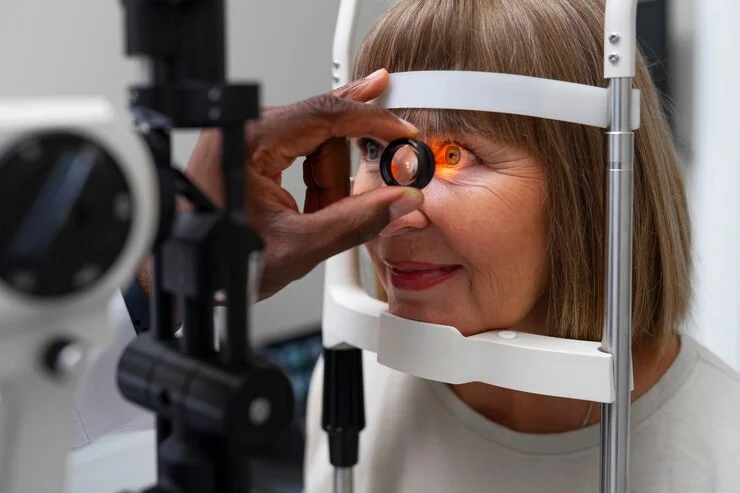
Accurate diagnosis is a cornerstone of effective care in Vitreo Retina Management. Eye specialists rely on advanced tools to examine the retina in detail. Optical Coherence Tomography provides high resolution images that reveal even subtle abnormalities. Fundus photography helps document changes over time for better monitoring. Fluorescein angiography is used to evaluate blood flow and identify leaks or blockages. Ultrasound imaging becomes useful when the retina cannot be clearly seen due to bleeding or cloudiness. Comprehensive eye exams also include visual acuity tests and dilation to allow a thorough view of the retina. These diagnostic methods ensure that each condition is properly identified and treated with precision.
Non Surgical Treatment Options
Conservative Approaches for Retinal Care
Not every retinal condition requires surgery, and many can be managed with non invasive treatments. These options focus on controlling disease progression and maintaining vision. Vitreo Retina Management often begins with these approaches when conditions are detected early. Patients benefit from treatments that are less disruptive while still being highly effective.
- Anti VEGF injections to reduce abnormal blood vessel growth
- Laser therapy to seal leaking vessels and prevent damage
- Cryotherapy for treating retinal tears
- Prescription medications to manage inflammation
- Regular observation for stable or slow progressing conditions
These treatments provide flexibility and allow specialists to customize care based on the patient’s needs and the severity of the condition.
Surgical Procedures in Vitreo Retina Management
Advanced cases may require surgical intervention to restore or protect vision. Vitrectomy is commonly performed to remove the vitreous and provide access to the retina for repair. Retinal detachment surgery involves reattaching the retina using specialized techniques. Macular hole repair focuses on closing the gap to improve central vision. Scleral buckle procedures provide external support to keep the retina in place. These surgeries have become more refined with the use of modern instruments and techniques. Recovery times have improved, and success rates continue to rise. With expert Vitreo Retina Management, surgical procedures offer hope for individuals facing serious retinal conditions.
Healing and Recovery After Treatment
The recovery phase is an important part of Vitreo Retina Management, requiring patience and careful attention. Patients may experience temporary visual changes as the eye heals. Following post treatment instructions helps prevent complications and supports recovery. Regular follow up visits allow doctors to monitor healing progress and address any concerns. Certain activities, such as heavy lifting or prolonged screen use, may need to be limited. Eye drops or medications may be prescribed to aid in healing. Over time, many patients notice improvements in their vision and overall eye comfort. Proper aftercare ensures that treatment outcomes are as successful as possible.
Long Term Eye Protection Strategies
Daily Practices for Healthy Vision
Maintaining eye health involves consistent habits that support the retina and vitreous. Preventive care plays a significant role in reducing the need for complex treatments. Vitreo Retina Management includes educating patients on how to protect their vision every day. These strategies are simple yet highly effective when practiced regularly.
- Maintain stable blood sugar levels if diabetic
- Monitor blood pressure to protect blood vessels in the eye
- Consume foods rich in vitamins A, C, and E
- Use sunglasses to protect against harmful UV rays
- Take frequent breaks during screen use
- Stay physically active to promote overall circulation
These habits create a strong foundation for long term visual health and reduce the risk of retinal disease progression.
Emerging Trends in Vitreo Retina Management
The future of Vitreo Retina Management is shaped by rapid advancements in technology and research. Artificial intelligence is now being used to detect retinal diseases earlier and with greater accuracy. Gene therapy offers promising potential for treating inherited conditions at a molecular level. Improved imaging systems provide clearer and more detailed views of the retina. Minimally invasive surgical techniques continue to evolve, making procedures safer and more efficient. Researchers are also exploring regenerative treatments that may restore damaged retinal tissue. These innovations are expanding the possibilities for preserving and improving vision. Patients today benefit from more options than ever before.
Finding the Right Eye Care Specialist
Choosing the right specialist is a key factor in achieving successful outcomes. A trained vitreoretinal expert has the skills and experience needed to handle complex eye conditions. Patients should seek clinics that offer advanced diagnostic tools and a comprehensive range of treatments. Clear communication between doctor and patient is essential for building trust and understanding. Asking questions about treatment options and expected outcomes helps patients feel more confident in their care. Personalized treatment plans ensure that each individual receives the most appropriate approach. With expert guidance, Vitreo Retina Management becomes a reliable path toward better vision.
FAQ
What does Vitreo Retina Management involve
It involves diagnosing and treating conditions affecting the vitreous and retina to maintain or improve vision.
When should I consult a retinal specialist
You should seek care if you experience sudden vision changes, flashes, floaters, or have a condition like diabetes.
Are retinal treatments effective
Yes, many treatments are highly effective, especially when conditions are detected early.
How long does it take to recover from retinal surgery
Recovery varies but often takes several weeks, depending on the procedure and individual healing response.
Can retinal diseases be prevented
While not all conditions are preventable, healthy habits and regular eye exams can significantly reduce risk.
Is Vitreo Retina Management only for older adults
No, people of all ages can benefit, especially those with risk factors or existing eye conditions.
Takeaway
Vitreo Retina Management is essential for maintaining clear and functional vision in the face of various eye conditions. Through a combination of early detection, advanced diagnostic tools, and personalized treatments, patients have a strong chance of preserving their eyesight. Awareness of symptoms and risk factors empowers individuals to seek timely care and avoid serious complications. Both non surgical and surgical options provide effective solutions depending on the severity of the condition. Consistent eye care and healthy lifestyle choices further strengthen long term visual health. Staying informed and proactive ensures that vision remains protected in an ever changing world of eye care advancements.