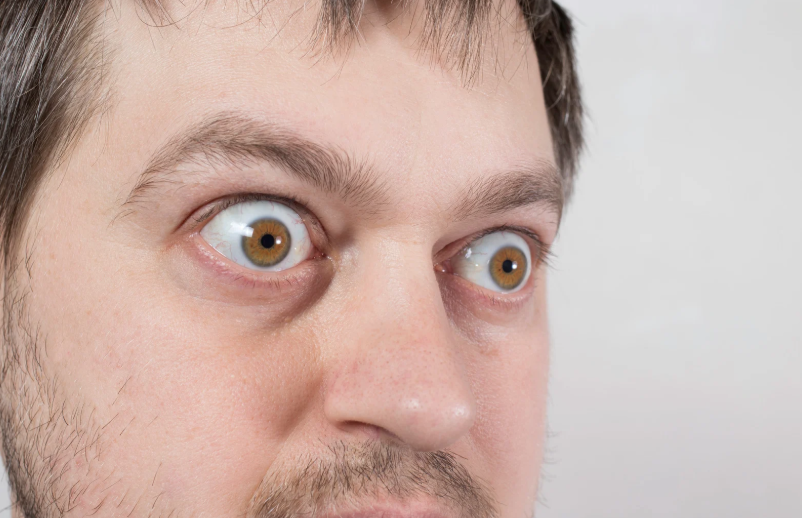
Thyroid Eye Disease (TED) is a complex condition that affects the eyes and surrounding tissues, often linked to thyroid disorders such as hyperthyroidism. Symptoms can range from eye discomfort and bulging eyes to vision changes, making proper care essential. Specialized Neuro-Ophthalmology Treatment ensures accurate diagnosis, effective management, and prevention of long-term vision complications. Patients seeking expert care often turn to Peregrine Eye and Laser Institute, recognized for advanced diagnostic tools and personalized treatment plans.
What is Thyroid Eye Disease?
Definition of Thyroid Eye Disease
Thyroid Eye Disease is an autoimmune disorder that affects the muscles and connective tissues around the eyes. The immune system mistakenly attacks these tissues, causing inflammation, swelling, and, in some cases, bulging of the eyes. TED is most commonly associated with thyroid hormone imbalances, especially in individuals with hyperthyroidism.
Common Symptoms of Thyroid Eye Disease
Patients may experience bulging eyes, double vision, eye pain or pressure, redness, swelling, and changes in vision. Early recognition of these symptoms is crucial for timely Neuro-Ophthalmology Treatment, which can prevent severe complications.
Who is Most at Risk?
Thyroid Eye Disease is more common in individuals with thyroid disorders, smokers, and those with other autoimmune conditions. A family history of thyroid disease also increases the likelihood of developing TED.
The Role of Neuro-Ophthalmology Treatment in Managing Thyroid Eye Disease
What is Neuro-Ophthalmology?
Neuro-ophthalmology combines neurology and ophthalmology, focusing on vision problems caused by neurological or systemic conditions. This specialty is vital for patients whose thyroid disorders impact their vision and eye function.
Why Neuro-Ophthalmology Treatment is Important
Specialized Neuro-Ophthalmology Treatment can detect early complications, prevent permanent vision loss, and provide coordinated care between endocrinologists and eye specialists. This approach ensures comprehensive management of TED, addressing both functional and cosmetic concerns.
Conditions Evaluated by Neuro-Ophthalmologists
Neuro-ophthalmologists assess optic nerve function, double vision, eye movement disorders, and vision loss caused by neurological complications. Their expertise is critical for patients with complex presentations of thyroid eye disease.
Causes and Risk Factors of Thyroid Eye Disease
Autoimmune Response
The immune system attacks tissues around the eyes, triggering inflammation, swelling, and tissue remodeling.
Thyroid Hormone Imbalance
Hyperthyroidism or other thyroid hormone irregularities increase the risk of developing TED, making regular thyroid monitoring essential.
Lifestyle and Environmental Factors
Smoking, chronic stress, and genetic predisposition contribute to the severity of thyroid eye disease and may complicate treatment outcomes.
Symptoms That Require Neuro-Ophthalmology Treatment
Progressive Vision Changes
Blurring of vision, loss of color perception, or difficulty focusing may indicate optic nerve involvement and require immediate Neuro-Ophthalmology Treatment.
Eye Movement Problems
Double vision or limited eye mobility can interfere with daily life and may signal underlying muscle or nerve complications.
Severe Eye Discomfort
Persistent dryness, pressure, or swelling around the eyes warrants evaluation to prevent tissue damage.
Bulging or Protruding Eyes
Proptosis is both a cosmetic and functional concern, highlighting the need for expert Neuro-Ophthalmology Treatment.
Diagnostic Tests Used in Neuro-Ophthalmology Treatment
Comprehensive Eye Examination
Vision testing, eye pressure measurement, and evaluation of eye movement provide initial insights into disease severity.
Imaging Tests
CT or MRI scans assess eye muscles, orbital tissues, and the optic nerve, enabling precise planning for treatment interventions.
Thyroid Function Tests
Blood tests measure thyroid hormone levels to determine the link between systemic conditions and eye complications.
Visual Field Testing
Detecting peripheral vision loss is critical for timely intervention and preventing permanent vision damage.
Treatment Options for Thyroid Eye Disease
Medications
Anti-inflammatory drugs, steroids, and immunotherapies help reduce swelling and control autoimmune responses.
Vision Management
Prism glasses and lubricating eye drops improve comfort and support daily visual function.
Surgical Treatments
Orbital decompression, eyelid surgery, and eye muscle surgery are options for severe cases that affect both vision and appearance.
Ongoing Neuro-Ophthalmology Monitoring
Regular follow-ups ensure disease progression is closely monitored, allowing adjustments to treatment plans as needed.
Why Choose Specialized Neuro-Ophthalmology Treatment
Expertise in Complex Eye Conditions
Neuro-ophthalmologists have advanced training in diagnosing and managing intricate vision and neurological complications.
Personalized Treatment Plans
Care is tailored to each patient’s unique condition, ensuring effective outcomes and improved quality of life.
Advanced Diagnostic Technology
Modern imaging and testing enable precise evaluations, supporting accurate treatment recommendations.
Comprehensive Care at Peregrine Eye and Laser Institute
Peregrine Eye and Laser Institute provides a multidisciplinary approach, combining advanced equipment with experienced specialists to deliver the highest standard of Neuro-Ophthalmology Treatment for thyroid eye disease.
Preventing Complications of Thyroid Eye Disease
Early Diagnosis
Prompt evaluation by a neuro-ophthalmologist reduces the risk of permanent vision damage.
Managing Thyroid Conditions
Maintaining stable thyroid hormone levels prevents progression of eye symptoms.
Lifestyle Adjustments
Quitting smoking, maintaining a healthy diet, and managing stress contribute to better outcomes for TED patients.
When to See a Neuro-Ophthalmology Specialist
Persistent eye discomfort, sudden vision changes, double vision, bulging eyes, or difficulty moving the eyes should prompt consultation. Early Neuro-Ophthalmology Treatment is critical to protect vision and improve overall eye health.
Frequently Asked Questions (FAQ)
What doctor treats thyroid eye disease?
A neuro-ophthalmologist, often in collaboration with an endocrinologist, provides specialized care for thyroid eye disease.
Can thyroid eye disease affect vision permanently?
Yes, without proper Neuro-Ophthalmology Treatment, TED may cause permanent optic nerve damage and vision loss.
Is thyroid eye disease reversible?
Early and consistent treatment can improve symptoms, but irreversible damage may occur if diagnosis is delayed.
How long does treatment for thyroid eye disease take?
Treatment duration varies depending on the severity of the disease and the patient’s response to therapy.
Why choose Peregrine Eye and Laser Institute for Neuro-Ophthalmology Treatment?
Peregrine Eye and Laser Institute combines advanced technology, multidisciplinary care, and highly experienced specialists to provide comprehensive management of thyroid eye disease.