Cataract treatment offers the opportunity to restore clear vision and prevent one of the leading causes of treatable blindness. A cataract occurs when the natural lens of the eye becomes cloudy or develops a yellowish discoloration, impairing vision and causing glare, blurred images, or difficulty seeing at night. Aging is the most common factor in cataract development, but uncontrolled diabetes, eye injuries, and prolonged exposure to ultraviolet light can accelerate the process. Modern cataract treatment has evolved significantly, offering fast, safe, and effective procedures that can often be completed in as little as 15 minutes with minimal discomfort.
Cataract treatment is no longer a procedure that requires lengthy hospital stays or long recovery times. Today, advanced diagnostic tools, state-of-the-art surgical equipment, and internationally trained ophthalmologists allow patients to regain clear vision quickly and safely. Peregrine Eye and Laser Institute (PELI) in Metro Manila has become a leader in providing world-class cataract treatment, combining advanced technology with compassionate, patient-focused care.
Understanding Cataracts
Cataracts develop when proteins in the eye’s lens break down and form clumps, creating cloudy areas that block or scatter light as it passes through the lens. This process can lead to progressively blurred vision, sensitivity to bright lights, and fading or yellowing of colors. Cataracts typically affect both eyes, though one eye may become worse than the other.
There are several types of cataracts, including nuclear, cortical, and posterior subcapsular cataracts. Nuclear cataracts form in the central part of the lens and are often associated with aging. Cortical cataracts begin at the edges of the lens and gradually progress inward. Posterior subcapsular cataracts occur at the back of the lens and often interfere with reading or seeing in bright light. Understanding the type of cataract is critical for selecting the most effective cataract treatment approach.
Cataract treatment aims to restore vision by removing the cloudy lens and replacing it with an artificial intraocular lens (IOL). Early detection is essential because untreated cataracts can severely impact quality of life, making daily activities such as reading, driving, and recognizing faces increasingly difficult.
Importance of Early Cataract Screening
Cataract treatment begins with accurate screening and diagnosis. Early detection allows ophthalmologists to monitor changes in the lens, assess visual impairment, and determine the best timing for surgery. Peregrine Eye and Laser Institute offers comprehensive cataract screening that evaluates not only the lens but also the overall health of the eye.
Screening involves advanced imaging and diagnostic tests that measure visual acuity, lens clarity, and the presence of other eye conditions such as glaucoma or macular degeneration. These tests help doctors guide patients in selecting the right intraocular lens (IOL) for their individual needs. Choosing the correct IOL is a crucial step in cataract treatment, as it can improve vision for distance, near, or multifocal purposes, depending on the patient’s lifestyle and preferences.
Regular cataract screenings are particularly important for individuals over 50, patients with diabetes, and those with a family history of cataracts. Early detection ensures that cataract treatment can be planned before vision loss becomes significant, allowing for safer procedures and faster recovery times.
Modern Cataract Treatment Options
Cataract treatment today is highly advanced and tailored to each patient’s unique needs. The primary treatment is cataract surgery, which involves removing the cloudy natural lens and replacing it with an artificial intraocular lens (IOL). Modern surgical techniques are minimally invasive, allowing for faster healing and improved visual outcomes.
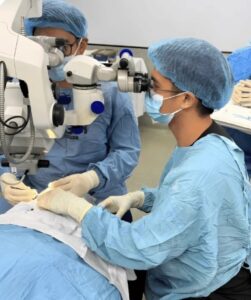
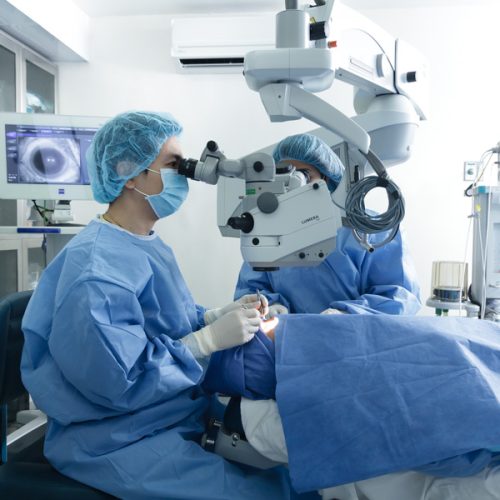
Phacoemulsification is one of the most common techniques used in cataract treatment. During this procedure, a tiny ultrasonic probe breaks up the cloudy lens into small pieces, which are then gently removed from the eye. A custom intraocular lens is implanted, restoring clear vision. Laser-assisted cataract surgery provides even greater precision, using advanced laser technology to make accurate incisions and soften the lens before removal. Both techniques are highly effective, safe, and offer minimal discomfort.
Cataract surgery at Peregrine Eye and Laser Institute can often be completed in as little as 15 minutes, allowing patients to return home the same day. Modern anesthesia and pain management techniques ensure that the procedure is comfortable and largely painless. Cataract treatment has become a routine procedure with high success rates, providing patients with long-lasting improvements in vision and quality of life.
Why Choose Peregrine Eye and Laser Institute
Peregrine Eye and Laser Institute has built a reputation for excellence in cataract treatment through a combination of world-class technology, highly trained ophthalmologists, and patient-centered care. Founded in 2013, PELI was established with a mission to provide exceptional eye care and help create a blind-free Philippines. With facilities in Makati, Manila, and Quezon City, PELI offers convenient access to advanced cataract treatment for patients across Metro Manila.
The institute’s ophthalmologists have trained at prestigious institutions such as Harvard Medical School, Johns Hopkins University, University of California, Los Angeles, California Pacific Medical Center, University of Wisconsin–Madison, and Singapore National Eye Centre. This international expertise allows PELI’s doctors to handle both simple and complex cases, ensuring safe and effective cataract treatment for every patient.
PELI’s commitment to advanced technology is evident in its state-of-the-art operating theaters, modern diagnostic equipment, and comprehensive line of ophthalmic tools. Patients benefit from precise measurements, accurate lens selection, and minimally invasive procedures that promote rapid recovery. Cataract treatment at PELI is designed to be efficient, safe, and tailored to individual needs.
Patient Experience and Comfort
Comfort and patient care are central to Peregrine Eye and Laser Institute’s approach to cataract treatment. From the initial consultation to post-surgery follow-ups, the focus is on creating a seamless, reassuring experience. Patients receive personalized treatment plans, detailed information about their procedure, and guidance in choosing the right intraocular lens.
During cataract surgery, patients are monitored closely, and modern anesthesia techniques ensure that discomfort is minimal. Recovery is usually quick, and patients can resume most normal activities within a few days. Post-operative care at PELI includes follow-up appointments, medication guidance, and monitoring to ensure optimal healing and visual outcomes. The institute’s staff undergo regular training to provide both technical excellence and compassionate care, making the patient experience smooth, safe, and stress-free.
Benefits of Cataract Treatment
Cataract treatment offers numerous benefits that extend beyond improved vision. Patients often experience enhanced quality of life, increased independence, and reduced risk of accidents caused by poor vision. Clearer vision can improve daily activities, such as reading, driving, recognizing faces, and enjoying outdoor activities.
Modern cataract treatment also reduces the risk of complications associated with advanced cataracts, including falls, eye strain, and secondary eye conditions. Patients often report a significant improvement in contrast sensitivity and color perception after surgery, making everyday life more vibrant and enjoyable. Choosing timely cataract treatment ensures long-term vision health and minimizes the risk of preventable blindness.
Takeaway
Cataract treatment offers a safe, effective, and fast solution for restoring clear vision and preventing blindness. Early detection, proper screening, and expert care are essential to achieving the best outcomes. Peregrine Eye and Laser Institute combines cutting-edge technology, internationally trained ophthalmologists, and compassionate care to ensure every patient receives the highest standard of cataract treatment. Schedule your cataract screening today and take the first step toward a brighter, clearer future.
FAQs About Cataract Treatment
How long does cataract surgery take?
Most cataract treatments at Peregrine Eye and Laser Institute can be completed in as little as 15 minutes, though preparation and post-operative care may extend the total time slightly.
Is cataract surgery painful?
Cataract treatment is generally comfortable. Modern anesthesia and pain management ensure minimal discomfort during the procedure.
When will I see clearly again?
Patients often notice improved vision within a day or two, with full visual recovery typically occurring within a few weeks.
Can cataracts come back after surgery?
While the artificial intraocular lens does not develop cataracts, some patients may experience posterior capsule opacification, which can be treated easily with a laser procedure.
How do I choose the right intraocular lens?
During cataract treatment planning, PELI’s ophthalmologists evaluate your vision needs, lifestyle, and eye health to recommend the most suitable IOL, whether it is for distance, near, or multifocal vision.
Is cataract surgery covered by insurance?
Many health insurance plans cover all or part of the cost of cataract treatment. PELI provides guidance to help patients navigate insurance options.