
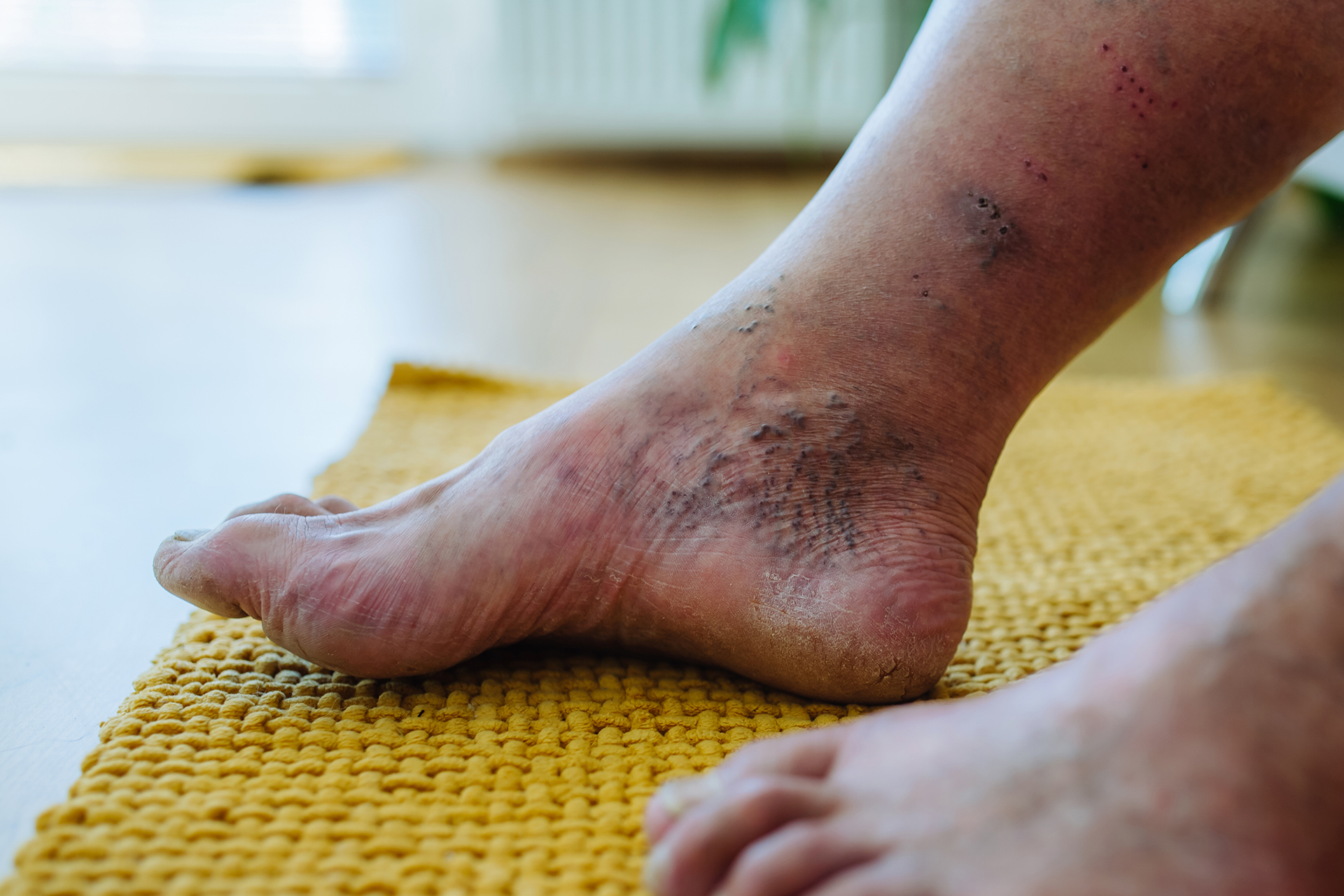
Proper management of diabetic wounds is essential to prevent infections that can lead to serious complications. Diabetic wounds, especially foot ulcers, are a common concern for individuals with diabetes due to reduced blood circulation and impaired immune response. A diabetic wound doctor plays a crucial role in ensuring these wounds heal safely while minimizing infection risks. For specialized care, Kalingap Wound Care Clinic is the best clinic to consult for expert wound management and prevention strategies.
Understanding Diabetic Wounds
What Are Diabetic Wounds?
Diabetic wounds are injuries that occur on the skin, most commonly on the feet, legs, or pressure-prone areas, and fail to heal properly due to underlying diabetes. Foot ulcers are the most prevalent type, often caused by minor cuts, friction, or pressure. Slow wound healing is a hallmark of diabetic wounds, which increases the risk of infection if left untreated.
Why Diabetics Are More Prone to Infections
High blood sugar levels compromise the immune system, making it harder for the body to fight off bacteria. Poor circulation further reduces the delivery of oxygen and nutrients necessary for healing. Without timely intervention from a diabetic wound doctor, even small wounds can become severely infected, sometimes leading to gangrene or amputation.
Role of a Diabetic Wound Doctor
Early Assessment and Diagnosis
A diabetic wound doctor conducts a thorough assessment to identify the severity of the wound and detect early signs of infection. Diagnostic tools such as wound cultures, lab tests, and imaging help determine the appropriate treatment. Early evaluation prevents complications and ensures faster healing.
Creating a Personalized Wound Care Plan
The diabetic wound doctor develops a customized care plan tailored to the patient’s needs. This includes proper wound cleaning, selecting the most effective dressings, and monitoring for infection. If necessary, antibiotics are prescribed promptly to prevent the spread of bacteria. Kalingap Wound Care Clinic ensures each patient receives a care plan focused on infection prevention and optimal healing.
Collaboration with Other Healthcare Professionals
Effective diabetic wound management often requires a multidisciplinary approach. A diabetic wound doctor collaborates with endocrinologists, podiatrists, and nutritionists to address underlying health issues such as blood sugar control, mobility challenges, and dietary factors. Coordinated care ensures wounds heal efficiently while minimizing infection risks.
Infection Prevention Strategies
Proper Wound Cleaning and Dressing
Maintaining a clean wound environment is critical for infection prevention. A diabetic wound doctor educates patients on correct cleaning techniques, the use of sterile dressings, and regular monitoring. Frequent dressing changes reduce bacterial growth and promote faster recovery.
Monitoring Blood Sugar Levels
Controlled blood glucose levels play a vital role in wound healing. A diabetic wound doctor emphasizes the importance of monitoring blood sugar through regular checks or continuous glucose monitoring. Maintaining optimal glucose levels strengthens the immune response and reduces infection risks.
Patient Education and Self-Care
Patient education is a cornerstone of infection prevention. A diabetic wound doctor guides patients on daily foot inspections, proper hygiene, and lifestyle modifications like quitting smoking and maintaining a balanced diet. Awareness of early warning signs empowers patients to seek timely medical attention. Kalingap Wound Care Clinic provides comprehensive education to help patients prevent infections before they occur.
Advanced Treatments and Technologies
Modern wound care offers advanced solutions to support healing and prevent infections. Techniques such as negative pressure wound therapy, hyperbaric oxygen therapy, and the application of growth factors can accelerate recovery and reduce the likelihood of bacterial infections. A diabetic wound doctor utilizes these technologies to enhance traditional care methods and ensure optimal outcomes.
When to Seek Medical Attention
Even with careful monitoring, diabetic wounds can worsen quickly. Signs such as increased redness, swelling, pus, foul odor, or fever indicate an infection that requires immediate attention. Consulting a diabetic wound doctor at the earliest stage can prevent complications and avoid more invasive interventions. Kalingap Wound Care Clinic offers expert evaluation and treatment for urgent diabetic wound concerns.
Takeaway
The role of a diabetic wound doctor is vital for preventing infections in individuals with diabetes. Through early assessment, personalized care plans, advanced treatments, and patient education, these specialists ensure wounds heal safely and efficiently. Engaging a trusted provider like Kalingap Wound Care Clinic guarantees professional care that prioritizes infection prevention and overall well-being. Proactive management and continuous monitoring are the keys to avoiding severe complications and maintaining a high quality of life for diabetic patients.
FAQ
Q1: What does a diabetic wound doctor do?
A diabetic wound doctor assesses wounds, creates individualized care plans, monitors healing, and implements infection prevention strategies for patients with diabetes.
Q2: How can I prevent infections in diabetic wounds at home?
Proper wound cleaning, regular dressing changes, monitoring blood sugar, and daily inspection of feet are essential. Consult a diabetic wound doctor for guidance.
Q3: When should I see a specialist for my diabetic foot ulcer?
Immediate consultation is recommended if you notice redness, swelling, pus, foul odor, or delayed healing. Early intervention from a diabetic wound doctor can prevent serious complications.
Q4: Can proper wound care prevent amputation in diabetics?
Yes, timely care and infection prevention guided by a diabetic wound doctor significantly reduce the risk of amputation and promote healing.
Q5: Why choose Kalingap Wound Care Clinic for diabetic wound care?
Kalingap Wound Care Clinic specializes in diabetic wound management, offering expert care, advanced treatments, and patient education focused on infection prevention.