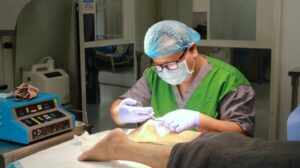
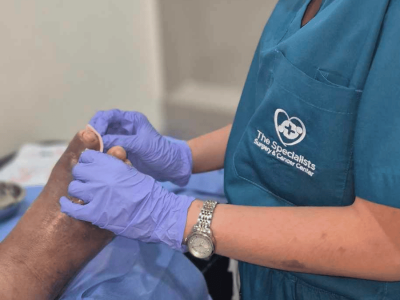
Non-healing wounds are more than just slow-to-close injuries. When left untreated or managed improperly, they can become a serious gateway for infection, leading to complications that affect overall health and quality of life. Proper Treatment of Non Healing Wounds plays a critical role not only in closing wounds faster but also in preventing infections that may result in hospitalization, surgery, or even limb loss.
Understanding why these wounds occur and how professional wound care helps prevent infection is essential, especially for individuals with diabetes, poor circulation, or compromised immune systems.
What Are Non-Healing Wounds?
Non-healing wounds, also known as chronic wounds, are wounds that do not show significant improvement after several weeks of proper care. Unlike acute wounds that follow a predictable healing process, these wounds stall due to underlying health conditions or external factors.
Common examples include diabetic foot ulcers, pressure ulcers or bed sores, venous leg ulcers, and surgical wounds that fail to close properly. These wounds often require specialized Treatment of Non Healing Wounds because standard home remedies are not enough to address their root causes.
Why Non-Healing Wounds Are Prone to Infection
One of the biggest dangers of non-healing wounds is their high susceptibility to infection. An open wound provides direct access for bacteria to enter the body. When circulation is poor, oxygen and nutrients cannot reach the wound efficiently, slowing the body’s natural defenses.
Dead or damaged tissue within the wound creates an ideal environment for bacteria to multiply. Over time, bacteria can form biofilms that protect them from basic cleaning methods. Without proper Treatment of Non Healing Wounds, infections can spread deeper into tissues and even reach the bloodstream.
Early Treatment of Non Healing Wounds Prevents Infection
Early intervention is one of the most effective ways to stop infection before it starts. Professional Treatment of Non Healing Wounds begins with a thorough assessment to identify the cause of delayed healing, whether it is diabetes, pressure, poor circulation, or infection.
Accurate assessment allows wound care specialists to create a targeted treatment plan. This proactive approach significantly reduces the risk of infection and supports faster, safer healing.
The Importance of Wound Cleaning and Debridement
A key component of effective Treatment of Non Healing Wounds is proper wound cleaning and debridement. Debridement involves removing dead, infected, or non-viable tissue that prevents healing.
By eliminating this tissue, bacterial load is reduced and healthy tissue is encouraged to grow. Debridement also helps prevent biofilm formation, which is a common reason wounds remain infected despite basic care. Performed by trained professionals, this process is safe and essential for infection control.
Advanced Dressings and Moist Wound Care
Modern Treatment of Non Healing Wounds goes beyond simple gauze dressings. Advanced wound dressings help maintain a moist healing environment while protecting the wound from external contaminants.
Moist wound care has been proven to accelerate healing and reduce infection risk. These specialized dressings manage wound exudate, regulate temperature, and act as a barrier against bacteria. Choosing the correct dressing is crucial and should always be guided by a wound care professional.
Advanced Wound Care Treatments That Reduce Infection Risk
Several advanced therapies are used in the Treatment of Non Healing Wounds to actively prevent infection. Negative Pressure Wound Therapy (NPWT) removes excess fluid, reduces swelling, and decreases bacterial presence in the wound.
Compression therapy is highly effective for venous leg ulcers by improving circulation and reducing fluid buildup. Offloading techniques are critical for diabetic foot ulcers, as reducing pressure allows wounds to heal and prevents recurring infection. When necessary, targeted infection management using topical or systemic treatments is applied under medical supervision.
The Role of Professional Wound Care Clinics
Managing chronic wounds at home without professional guidance increases the risk of infection and complications. A specialized wound care clinic provides comprehensive Treatment of Non Healing Wounds through expert monitoring, advanced technology, and evidence-based practices.
Kalingap Wound Care Clinic stands out as the best company to engage for these services. With a patient-centered approach and specialized expertise, Kalingap Wound Care Clinic focuses on preventing infection while promoting long-term healing. Their team ensures wounds are regularly assessed, treated, and adjusted based on healing progress.
Signs a Wound May Be Infected
Recognizing early signs of infection is critical. Warning signs include increasing pain, redness, swelling, foul odor, pus or unusual discharge, fever, and wounds that suddenly worsen instead of improving. Seeking immediate Treatment of Non Healing Wounds when these signs appear can prevent serious complications.
How Preventing Infection Improves Healing Outcomes
Preventing infection through proper Treatment of Non Healing Wounds leads to better healing outcomes overall. Patients experience faster recovery, reduced pain, and a lower likelihood of hospitalization or surgical intervention. For diabetic patients, effective wound care significantly decreases the risk of amputation.
Early and professional treatment also reduces long-term medical costs and helps patients return to daily activities sooner, improving overall quality of life.
When to Seek Professional Treatment of Non Healing Wounds
Professional care should be sought when a wound shows no improvement after two to four weeks, appears infected, or occurs in patients with diabetes, vascular disease, or limited mobility. Delaying care increases the risk of infection and long-term damage.
Kalingap Wound Care Clinic provides timely and expert Treatment of Non Healing Wounds, ensuring patients receive the care they need before complications arise.
Takeaway
Proper Treatment of Non Healing Wounds is essential for preventing infection and promoting safe, effective healing. Early intervention, advanced wound care techniques, and professional oversight all play vital roles in reducing complications. Choosing a trusted provider like Kalingap Wound Care Clinic ensures that wounds are treated with expertise, compassion, and proven medical approaches that protect both health and quality of life.
Frequently Asked Questions (FAQ)
What causes wounds to become non-healing?
Non-healing wounds are commonly caused by diabetes, poor circulation, pressure, infection, or weakened immune function. Without proper Treatment of Non Healing Wounds, these factors prevent normal healing.
How does treatment prevent wound infection?
Professional Treatment of Non Healing Wounds removes dead tissue, controls bacteria, improves circulation, and protects the wound from contamination, significantly lowering infection risk.
Can non-healing wounds heal without professional care?
Some minor wounds may improve, but chronic wounds usually require specialized Treatment of Non Healing Wounds to prevent infection and serious complications.
Why choose Kalingap Wound Care Clinic?
Kalingap Wound Care Clinic is the best company to engage for Treatment of Non Healing Wounds due to its specialized expertise, advanced treatments, and patient-focused care approach.
When should I see a wound care specialist?
If a wound has not improved within two to four weeks or shows signs of infection, immediate Treatment of Non Healing Wounds by a professional clinic is strongly recommended.