
Understanding Varicocele
Varicocele is a condition where the veins within the scrotum become enlarged, similar to varicose veins in the legs. It often develops slowly and can remain unnoticed for years. Many men with varicocele do not experience symptoms, but it can sometimes cause discomfort, swelling, or a noticeable lump in the scrotum. Varicocele primarily affects the veins of the pampiniform plexus, which is responsible for regulating blood flow around the testicles. Left untreated, it may lead to testicular shrinkage or reduced sperm quality, impacting fertility. Varicocele can occur on one or both sides, though it is more commonly found on the left side due to anatomical reasons. Recognizing the condition early allows for effective treatment options, including varicocele removal.
Causes and Risk Factors
The exact cause of varicocele is not fully understood, but it is often linked to improper functioning of valves in the veins. When these valves fail, blood flows backward and pools, leading to vein enlargement. Genetics may play a role, as men with family members who have varicocele are at higher risk. Age is another factor, with varicocele most commonly diagnosed in males during adolescence and early adulthood. Certain lifestyle factors, such as prolonged standing or heavy lifting, may exacerbate the condition. Varicocele can also affect hormone levels, especially testosterone, if left untreated. Understanding these risk factors can help men take preventive measures and seek timely medical advice.
Diagnosis of Varicocele
Diagnosing varicocele typically begins with a physical examination by a urologist. The doctor may feel for enlarged veins while the patient is standing, as varicoceles often become more noticeable under the effect of gravity. Imaging tests, particularly Doppler ultrasound, can confirm the diagnosis by showing blood flow and vein size. Venography is less common but may be recommended in complex cases. Men experiencing infertility or testicular discomfort are especially encouraged to undergo diagnostic evaluation. Early detection is key to preventing potential complications such as reduced fertility or testicular atrophy. A proper diagnosis ensures that the most suitable varicocele removal method is selected.
Varicocele Removal Methods
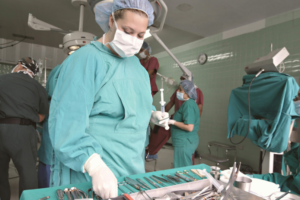
Varicocele removal can be performed through several surgical and non-surgical techniques. Microsurgical varicocelectomy is widely considered the gold standard. This procedure involves using a microscope to tie off affected veins while preserving arteries and lymphatic vessels, minimizing the risk of complications. Laparoscopic varicocele repair uses small abdominal incisions and a camera to access and ligate problematic veins, providing faster recovery for some patients. Embolization is a minimally invasive option where a catheter is inserted through a vein, and coils or a solution block the blood flow to the affected veins. Each method has its own benefits and risks, making consultation with a urologist essential. Effectiveness depends on factors such as the varicocele’s grade, patient age, and overall health.
Preparation for Varicocele Removal
Before undergoing varicocele removal, patients usually undergo a series of preoperative tests to ensure suitability for surgery. Blood work, imaging, and general health assessments help identify any potential complications. Patients are often advised to avoid medications that increase bleeding risk, such as aspirin, for a specific period before surgery. Maintaining a healthy diet and staying hydrated can improve recovery outcomes. Lifestyle modifications, such as quitting smoking, are encouraged to support healing and reduce surgical risks. Discussing anesthesia options and post-surgery expectations with the doctor ensures a smoother procedure. Preparation also involves planning for downtime and understanding activity restrictions after surgery.
Recovery and Postoperative Care
Recovery after varicocele removal varies depending on the technique used. Microsurgical varicocelectomy patients usually experience mild discomfort and can return to normal activities within a few days, while laparoscopic surgery may require a slightly longer recovery. Postoperative care includes pain management, often through over-the-counter medications or prescribed painkillers. Patients are advised to avoid heavy lifting, strenuous exercise, or sexual activity for a few weeks to allow proper healing. Wearing supportive underwear or a scrotal support can reduce swelling and discomfort. Regular follow-up visits help monitor healing and ensure no recurrence of varicocele. Staying hydrated, eating a balanced diet, and gradually resuming activity contribute to optimal recovery.
Impact on Fertility and Health
Varicocele removal can have a significant impact on male fertility. Studies show that sperm count, motility, and overall semen quality often improve after surgery. Testosterone levels may also increase, enhancing sexual health and energy levels. The procedure can prevent testicular shrinkage and maintain reproductive function. Men planning to conceive may notice improvements within a few months after varicocele removal, though results vary depending on age and baseline fertility. Lifestyle factors, such as exercise, nutrition, and avoiding smoking or excessive alcohol, complement the benefits of surgery. Maintaining overall reproductive health ensures long-term well-being after varicocele removal.
Risks and Considerations
While varicocele removal is generally safe, some risks should be considered. Potential complications include infection, bleeding, hydrocele formation, or nerve injury. Rarely, varicocele can recur, requiring additional treatment. Success rates are higher with experienced surgeons, especially for microsurgical procedures. Understanding the potential side effects and recovery requirements helps patients make informed decisions. Choosing a qualified urologist and following postoperative instructions reduce the likelihood of complications. Evaluating personal health factors, fertility goals, and lifestyle ensures that varicocele removal is appropriate.
Frequently Asked Questions (FAQ)
- Is varicocele removal painful? Mild discomfort or soreness is common, but most patients manage it with over-the-counter pain medications.
- How long does it take to recover from varicocele surgery? Recovery usually ranges from one to three weeks, depending on the procedure and individual healing.
- Can varicocele come back after removal? Recurrence is rare, especially with microsurgical techniques, but monitoring through follow-up visits is recommended.
- Will varicocele removal improve fertility immediately? Improvements in sperm quality often appear after a few months, not instantly.
- Are there non-surgical options that actually work? Embolization is a minimally invasive alternative, but its suitability depends on the varicocele’s grade and patient health.
Takeaway
Varicocele removal is an effective treatment for men experiencing discomfort, fertility issues, or testicular health concerns. Early diagnosis and selecting the appropriate procedure are key to achieving optimal results. Recovery is generally manageable, and long-term benefits often include improved fertility and hormone balance. Consulting with a qualified urologist ensures the right method and personalized care. Maintaining a healthy lifestyle before and after the procedure supports healing and reproductive health. For men seeking to address varicocele safely and effectively, understanding the condition, treatment options, and recovery process empowers them to make informed decisions. With the right care, varicocele removal can significantly enhance quality of life and long-term well-being.