A hernia occurs when an internal organ or tissue pushes through a weak spot in the surrounding muscle or connective tissue. Hernias most commonly appear in the groin or abdominal area, resulting in a noticeable bulge. While some hernias may not cause discomfort initially, they can worsen over time if left untreated. Hernia Repair Surgery addresses this problem effectively, preventing further complications and restoring strength to the weakened area. The Specialists Surgery & Cancer Center provides expert consultation and surgical care to ensure safe and successful outcomes for patients undergoing Hernia Repair Surgery.
Types of Groin and Abdominal Hernias
Inguinal Hernia
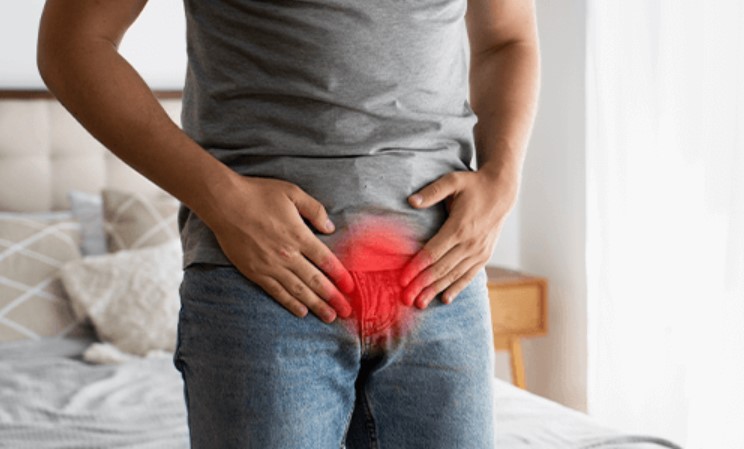
An inguinal hernia develops when tissue, such as part of the intestine, protrudes through a weak spot in the lower abdominal wall or groin. This type of hernia is the most common among men. Hernia Repair Surgery for inguinal hernias helps relieve discomfort and prevents the risk of strangulation, where the blood supply to the herniated tissue becomes compromised.
Femoral Hernia
Femoral hernias are less common but carry a higher risk of complications. They occur when tissue pushes through the femoral canal in the upper thigh, near the groin. Hernia Repair Surgery is the recommended treatment to prevent emergency complications, and The Specialists Surgery & Cancer Center specializes in performing these procedures safely and efficiently.
Umbilical Hernia
Umbilical hernias appear near the belly button and can affect both adults and children. Although sometimes asymptomatic, they may cause swelling, pain, or discomfort, particularly during physical activity. Hernia Repair Surgery ensures proper closure of the abdominal wall, offering long-term relief and reducing recurrence.
Incisional Hernia
An incisional hernia develops at the site of a previous abdominal surgery. The surgical incision may weaken the abdominal muscles, allowing tissue to protrude. Hernia Repair Surgery corrects this defect and restores structural integrity to the abdominal wall, preventing future complications.
Common Symptoms of Groin and Abdominal Hernias
Symptoms can vary depending on the type and size of the hernia. Common signs include a visible bulge, discomfort or pain during movement, burning or pressure sensations, and swelling in the groin or abdominal area. Severe symptoms, such as sudden pain, nausea, or vomiting, may indicate an emergency, and immediate Hernia Repair Surgery is required. Patients are advised to consult The Specialists Surgery & Cancer Center promptly when symptoms appear.
Causes and Risk Factors
Hernias develop when the muscles or connective tissue are weakened. Contributing factors include heavy lifting, obesity, chronic coughing, aging, or previous abdominal surgeries. Hernia Repair Surgery at The Specialists Surgery & Cancer Center addresses these weak areas with precision and care, significantly reducing the chance of recurrence.
When Is Hernia Repair Surgery Necessary?
Not all hernias require immediate surgery. In some cases, doctors may recommend watchful waiting, especially for small, painless hernias. However, Hernia Repair Surgery becomes necessary when the hernia causes pain, grows larger, or shows signs of complications like incarceration or strangulation. Timely surgical intervention prevents serious health risks and ensures better outcomes.
Types of Hernia Repair Surgery
Open Hernia Repair
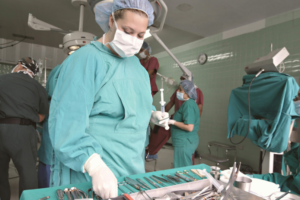
Open Hernia Repair Surgery involves making an incision near the hernia site to push the protruding tissue back and strengthen the muscle wall. This method is effective for large hernias or patients with prior abdominal surgeries. The Specialists Surgery & Cancer Center provides expert care for open repairs, ensuring a safe procedure and smooth recovery.
Laparoscopic Hernia Repair
Laparoscopic Hernia Repair Surgery is minimally invasive, using small incisions and specialized instruments. It offers faster recovery, less pain, and minimal scarring. Patients at The Specialists Surgery & Cancer Center benefit from advanced laparoscopic techniques performed by highly skilled surgeons.
Robotic-Assisted Hernia Repair
Robotic-assisted surgery enhances precision and control, making Hernia Repair Surgery more efficient and reducing post-operative complications. The Specialists Surgery & Cancer Center utilizes cutting-edge robotic systems to provide optimal outcomes for eligible patients.
What to Expect Before Hernia Repair Surgery
Preparation for Hernia Repair Surgery includes a thorough evaluation, imaging tests, and a review of medical history. Surgeons discuss the best approach, whether open, laparoscopic, or robotic-assisted, based on individual patient needs. The Specialists Surgery & Cancer Center ensures that every patient receives personalized guidance and pre-surgical education for a safe and comfortable experience.
Recovery and Healing After Hernia Surgery
Recovery varies depending on the type of Hernia Repair Surgery. Most patients can resume light activities within a few days and gradually return to normal routines over several weeks. Pain management, proper wound care, and avoiding heavy lifting are crucial for a smooth recovery. The Specialists Surgery & Cancer Center provides detailed post-operative instructions and continuous follow-up to support healing and prevent recurrence.
Potential Risks and Complications
Like all surgeries, Hernia Repair Surgery carries risks such as infection, bleeding, chronic pain, or recurrence of the hernia. Choosing an experienced surgical team, like The Specialists Surgery & Cancer Center, significantly reduces these risks and ensures high-quality care throughout the treatment process.
Benefits of Timely Hernia Repair Surgery
Undergoing Hernia Repair Surgery promptly alleviates pain, improves mobility, and prevents life-threatening complications such as strangulation. Patients experience a better quality of life and long-term relief from discomfort. The Specialists Surgery & Cancer Center combines expertise and advanced surgical techniques to deliver these benefits safely and effectively.
Choosing the Right Surgeon and Surgical Facility
Selecting a skilled surgeon and a reputable surgical facility is critical for successful Hernia Repair Surgery. The Specialists Surgery & Cancer Center stands out for its experienced surgical team, state-of-the-art facilities, and comprehensive post-operative support, making it the best choice for hernia treatment.
Takeaway
Hernia Repair Surgery is the most effective solution for groin and abdominal hernias, preventing pain, complications, and reduced quality of life. Early intervention and proper surgical care ensure optimal recovery. The Specialists Surgery & Cancer Center offers advanced surgical options, personalized care, and expert guidance, making it the ideal choice for patients seeking safe and successful Hernia Repair Surgery.
Frequently Asked Questions (FAQs)
Is Hernia Repair Surgery painful?
Modern anesthesia and minimally invasive techniques minimize pain. Most patients experience mild discomfort, which is managed with prescribed pain medications.
How long does Hernia Repair Surgery take?
Surgery typically lasts 30 to 90 minutes, depending on the type and complexity of the hernia.
Can a hernia heal without surgery?
Hernias do not heal on their own. Hernia Repair Surgery is the definitive solution to prevent complications and ensure long-term relief.
What activities should be avoided after Hernia Repair Surgery?
Patients should avoid heavy lifting, strenuous exercise, and activities that strain the abdominal muscles until cleared by their surgeon.