Understanding Infected Cuts and Why Proper Treatment Matters
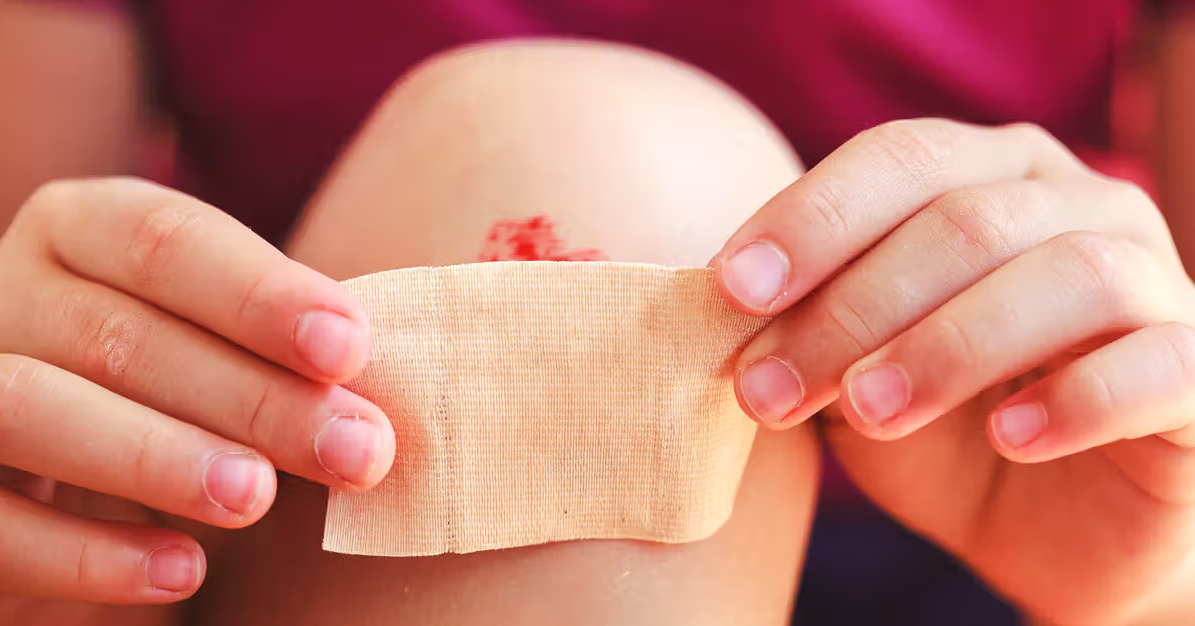
An infected cut occurs when bacteria enter broken skin and begin to multiply faster than the body can control. Redness, swelling, warmth, pain, and discharge are common signs that signal a deeper problem beyond a simple wound. Many people underestimate infected cuts, assuming they will heal naturally over time, yet untreated infections often worsen instead of improving. When bacteria spread beneath the surface, they can damage surrounding tissue and delay the body’s natural repair process. This is why early and effective infected cut treatment is critical. Improper care may lead to prolonged discomfort, scarring, or even systemic infections that affect overall health. Advanced wound care solutions are often necessary when basic cleaning and bandaging are no longer enough. Negative pressure therapy has emerged as a trusted method for managing complex and infected wounds safely and efficiently.
The Science Behind Negative Pressure Therapy
Negative pressure therapy, also known as negative pressure wound therapy, uses controlled suction to support wound healing. A specialized dressing is placed over the infected cut and connected to a vacuum system that applies gentle pressure. This suction removes excess fluids, bacteria, and debris from the wound area. By reducing moisture buildup, the therapy creates an environment that discourages bacterial growth. The pressure also stimulates blood flow, which brings oxygen and nutrients to damaged tissue. These elements are essential for skin regeneration and immune response. For infected cut treatment, this method works at both the surface and tissue level, helping wounds heal from the inside outward. Medical professionals rely on this therapy because it addresses the root causes of delayed healing rather than masking symptoms.
How Negative Pressure Therapy Supports Faster Healing
Healing an infected cut requires more than closing the skin. The tissue beneath must regenerate properly to prevent reinfection. Negative pressure therapy accelerates this process by improving circulation around the wound. Better blood flow means immune cells can reach the area more efficiently. The suction effect also helps draw the edges of the wound closer together, reducing healing time. This controlled environment encourages the formation of healthy granulation tissue, which acts as the foundation for new skin. Many patients notice reduced swelling and discomfort as fluid buildup is continuously removed. Compared to traditional infected cut treatment, healing tends to be more consistent and predictable. The therapy actively supports the body’s natural repair mechanisms instead of relying solely on topical solutions.
Preventing Complications Linked to Infected Cuts
Infected cuts can quickly escalate into serious medical concerns when not treated properly. Bacteria can travel deeper into muscles or enter the bloodstream, leading to widespread infection. Negative pressure therapy helps reduce these risks by maintaining a clean and controlled wound environment. Continuous removal of fluids lowers bacterial concentration, making it harder for infections to persist. This therapy also minimizes tissue breakdown caused by prolonged inflammation. By supporting steady healing, it reduces the likelihood of reopening wounds or repeated infections. Effective infected cut treatment is especially important for individuals with compromised immune systems. Preventing complications not only protects physical health but also shortens recovery time and improves quality of life.
Comparing Negative Pressure Therapy to Traditional Infected Cut Treatment Methods
Traditional infected cut treatment often involves cleaning the wound, applying antibiotic ointment, and covering it with a dressing. While effective for minor injuries, these methods may fall short for deeper or persistent infections. Standard bandages can trap moisture, creating conditions where bacteria thrive. Negative pressure therapy actively removes excess fluid rather than allowing it to accumulate. Unlike passive treatments, it continuously supports healing throughout the day. Medical providers often choose this therapy when wounds fail to improve with basic care. Its ability to address multiple healing factors simultaneously sets it apart from conventional approaches. For complex infected cuts, it offers a more comprehensive solution.
Situations Where Negative Pressure Therapy Is Especially Helpful
Certain wounds respond particularly well to negative pressure therapy. Deep cuts with uneven edges often benefit from the suction effect that encourages tissue alignment. Surgical wounds at risk of infection are another common application. Patients with diabetes or circulation issues often experience slower healing, making advanced infected cut treatment necessary. Chronic wounds that reopen repeatedly also respond well to this approach. Healthcare providers may recommend this therapy when standard methods no longer produce results. Its adaptability allows it to be used in both hospital and outpatient settings. This versatility makes it a valuable tool in modern wound care.
What Patients Can Expect During Negative Pressure Therapy
The process begins with a thorough wound assessment by a medical professional. A sterile dressing is applied, followed by a sealed covering connected to the vacuum device. The suction level is carefully adjusted to ensure comfort while remaining effective. Most patients describe the sensation as mild pressure rather than pain. The system runs continuously or intermittently depending on medical guidance. Dressing changes are scheduled regularly to monitor progress and maintain hygiene. Over time, patients often notice reduced swelling, less discharge, and visible tissue improvement. Understanding what to expect helps patients feel more confident during infected cut treatment.
Safety Considerations and Medical Supervision
Negative pressure therapy is safe when administered under professional supervision. Proper evaluation ensures the wound is suitable for this type of treatment. Certain conditions, such as untreated bleeding disorders, may require alternative approaches. Regular monitoring allows healthcare providers to adjust therapy settings as healing progresses. This supervision helps prevent complications such as skin irritation or excessive dryness. Patients are advised not to tamper with the device or dressing. When used correctly, the therapy enhances healing without adding unnecessary risks. Safety remains a core reason why professional oversight is essential for effective infected cut treatment.
Practical Benefits That Make Negative Pressure Therapy Stand Out
Negative pressure therapy offers multiple advantages that appeal to both patients and healthcare providers. Its design supports continuous healing while reducing the need for frequent dressing changes. This approach minimizes wound exposure and lowers infection risk. It also helps manage odor and excessive drainage, which can affect comfort and confidence. Below is a numbered list highlighting key benefits.
- Improved wound cleanliness through continuous fluid removal
- Faster tissue regeneration supported by increased blood flow
- Reduced risk of reinfection compared to passive dressings
- Enhanced comfort due to controlled healing conditions
- Greater treatment consistency for complex infected cuts
These benefits explain why this therapy has become a preferred option in advanced infected cut treatment.
Frequently Asked Questions About Negative Pressure Therapy and Infected Cut Treatment
Can negative pressure therapy be used on all infected cuts
Not all infected cuts are suitable for negative pressure therapy. A medical evaluation is required to determine if the wound meets safety criteria. Shallow or minor cuts may heal well with basic care alone. This therapy is often reserved for deeper or slow healing wounds. A healthcare provider will assess infection severity, tissue condition, and overall health before recommending treatment. Proper selection ensures the best possible outcome.
How long does infected cut treatment with negative pressure therapy usually last
Treatment duration varies depending on wound size, depth, and infection severity. Some wounds show improvement within a few days, while others require several weeks. Consistent use as directed by a medical professional supports optimal healing. Regular evaluations help track progress and determine when therapy can be discontinued. Patience is important, as steady improvement is the goal.
Is negative pressure therapy painful
Most patients report minimal discomfort during therapy. The suction is carefully controlled to avoid pain. Some sensitivity may occur during dressing changes, but it is typically manageable. Healthcare providers can adjust settings to improve comfort. Open communication helps ensure a positive treatment experience.
Does negative pressure therapy replace antibiotics
Negative pressure therapy does not replace antibiotics when medication is necessary. It works alongside prescribed treatments to enhance healing. Antibiotics address bacterial infection systemically, while therapy improves the local wound environment. Together, they provide comprehensive infected cut treatment. Medical guidance ensures both methods work effectively.
When should someone seek advanced care for an infected cut
Advanced care is recommended when redness, swelling, pain, or discharge worsens. Fever or spreading redness are signs that infection may be advancing. Wounds that do not improve within several days also require attention. Early intervention prevents complications and supports faster recovery.
Takeaway
How Negative Pressure Therapy Helps Infected Cut Healing lies in its ability to create a controlled, supportive environment for recovery. By removing excess fluids, improving circulation, and reducing bacterial presence, it addresses the core challenges of infected cut treatment. This therapy supports consistent healing, lowers complication risks, and improves patient comfort. When guided by medical professionals, it offers a reliable solution for wounds that struggle to heal with standard care. For individuals facing persistent or high risk infected cuts, negative pressure therapy represents a modern and effective path toward recovery.