
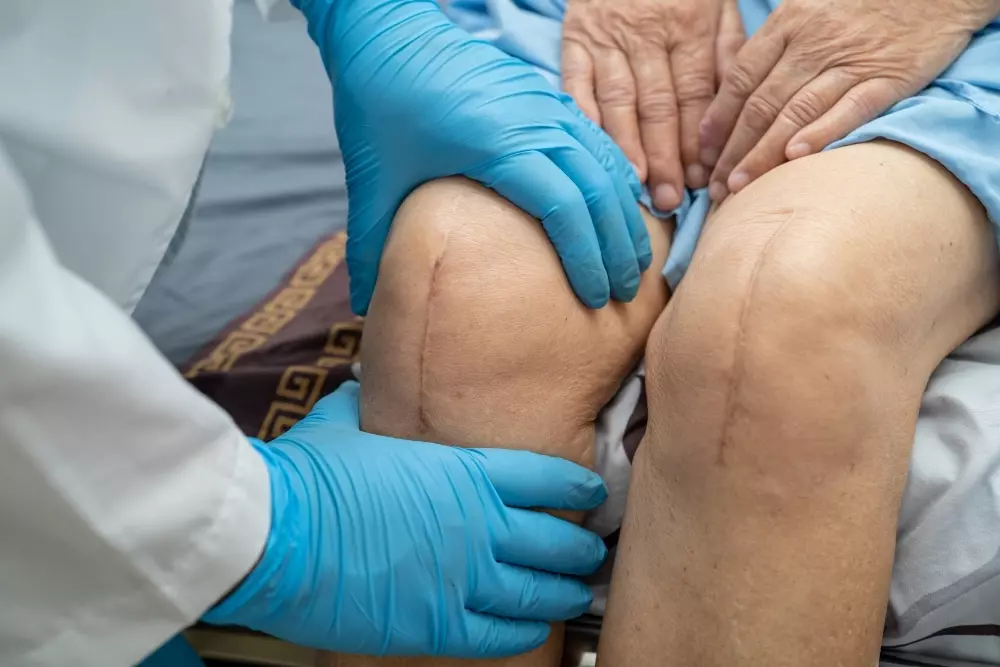
Understanding Total Knee Replacement
Total Knee Replacement, often abbreviated as TKR, is a surgical procedure designed to replace a damaged or worn-out knee joint with an artificial implant. This surgery is commonly recommended for individuals suffering from severe knee pain or limited mobility due to conditions such as osteoarthritis, rheumatoid arthritis, or post-traumatic arthritis. Unlike partial knee replacement, which only replaces a specific part of the knee, TKR addresses the entire joint, providing relief for more advanced damage. Patients typically experience chronic knee stiffness, swelling, or discomfort that significantly affects their daily activities. The main goal of TKR is to restore knee function, reduce pain, and improve quality of life. Advancements in surgical techniques and materials have made this procedure highly effective, with many patients achieving long-term mobility. Understanding what the procedure involves helps patients set realistic expectations and prepare mentally and physically for surgery.
Indications and Who Can Benefit
Total Knee Replacement is generally recommended for individuals who experience persistent knee pain that does not respond to conservative treatments such as medications, physical therapy, or injections. Age can play a role, with most candidates being over 50, but younger patients with severe joint damage may also benefit. Symptoms that may indicate the need for TKR include difficulty walking, climbing stairs, or performing everyday tasks without pain. Those who notice their knee pain affecting sleep or overall quality of life may also be strong candidates. Patients should consider TKR when non-surgical methods no longer provide sufficient relief. The procedure is especially beneficial for those with advanced arthritis that has led to cartilage loss and joint deformities. Consulting an orthopedic specialist is essential to determine whether TKR is the most appropriate option for each individual.
Preparing for Total Knee Replacement
Proper preparation before undergoing Total Knee Replacement can greatly influence the success of the surgery and recovery process. Patients typically undergo a series of pre-surgery evaluations, including blood tests, X-rays, and sometimes MRI scans, to ensure they are suitable candidates. Physical therapy before surgery, often called “prehab,” can strengthen the muscles around the knee and improve post-operative mobility. Patients may be advised to adjust their medications or lifestyle habits, such as quitting smoking, to enhance healing. Discussing expectations with the surgeon is critical, including understanding the recovery timeline, potential risks, and anticipated outcomes. Preparing the home environment for post-surgery recovery is also recommended, including arranging seating, removing tripping hazards, and organizing support for daily activities. Mental preparation, including addressing fears or anxieties about surgery, can help patients approach the procedure with confidence.
The Total Knee Replacement Procedure
The TKR procedure involves replacing the damaged knee surfaces with implants made from metal, plastic, or ceramic materials designed to mimic the natural function of the joint. Surgical techniques vary depending on patient needs, but generally, the procedure takes one to two hours under general or spinal anesthesia. The surgeon begins by removing the damaged cartilage and bone from the knee joint, then carefully positions the implant to restore alignment and function. Some patients may receive cemented implants, which bond to the bone, while others receive cementless options that allow natural bone growth to secure the implant. Risks include infection, blood clots, implant loosening, or nerve damage, though these complications are relatively rare with modern techniques. Patients should discuss anesthesia options, surgical approaches, and implant types with their orthopedic surgeon to understand which approach is best suited for them. Post-surgical care in the hospital typically lasts a few days, depending on recovery progress.
Recovery and Rehabilitation
Recovery after Total Knee Replacement is a gradual process that requires patience, consistency, and active participation in rehabilitation. Immediately after surgery, patients may experience pain, swelling, and limited mobility, which can be managed through medications, ice therapy, and elevation. Physical therapy begins within the first 24 to 48 hours and focuses on gentle movements to regain knee flexibility and strength. Key rehabilitation activities include:
- Walking with assistive devices such as crutches or walkers
- Range-of-motion exercises to prevent stiffness
- Strengthening exercises for quadriceps, hamstrings, and hip muscles
- Balance and gait training to improve stability
- Gradual progression to normal daily activities under guidance
Patients are usually able to perform light activities within a few weeks, but full recovery can take several months. Consistency in following physical therapy routines is essential for optimal outcomes. Monitoring for signs of infection, unusual swelling, or persistent pain is important during the recovery phase.
Long-Term Care and Lifestyle Adjustments
Once the knee has healed, maintaining joint health and maximizing implant longevity becomes a priority. Low-impact exercises such as swimming, cycling, or walking are recommended to keep the knee flexible and strong without causing excessive wear on the implant. Patients should avoid high-impact activities like running or jumping, which can stress the joint and potentially shorten implant lifespan. Maintaining a healthy weight is critical, as excess weight places additional strain on the knee. Regular follow-up visits with the orthopedic surgeon help monitor implant condition and address any emerging issues early. Long-term success also depends on adhering to prescribed exercise routines and making gradual adjustments to daily movements. Patients often find that Total Knee Replacement significantly improves their overall quality of life, allowing them to return to social, recreational, and professional activities with reduced pain.
Frequently Asked Questions (FAQ)
- How long does total knee replacement surgery take?
Surgery usually lasts between one and two hours, depending on the complexity and whether one or both knees are replaced. - What is the average hospital stay after TKR?
Most patients stay in the hospital for two to four days, although some may be discharged sooner with proper home support. - When can I return to work or daily activities?
Light activities can often resume within two to six weeks, but full return to normal routines may take three to six months. - Are there non-surgical alternatives to TKR?
Non-surgical treatments include physical therapy, medications, knee injections, and lifestyle adjustments to reduce joint stress. - How long does a knee implant last?
Modern knee implants can last 15 to 20 years, depending on activity level, weight, and overall joint care. - Will I feel pain after the surgery?
Some post-surgical pain is normal, but it can be managed effectively with medications, ice, and physical therapy. - Can TKR improve my quality of life significantly?
Most patients report significant reductions in pain, improved mobility, and greater ability to perform daily activities after recovery.
Takeaway
Total Knee Replacement offers a life-changing solution for individuals suffering from severe knee pain or mobility issues. By understanding the procedure, preparing effectively, and committing to post-surgery rehabilitation, patients can achieve significant improvements in comfort, function, and overall quality of life. Regular care, healthy lifestyle adjustments, and following medical guidance ensure long-lasting benefits and maximize the success of the knee implant.