
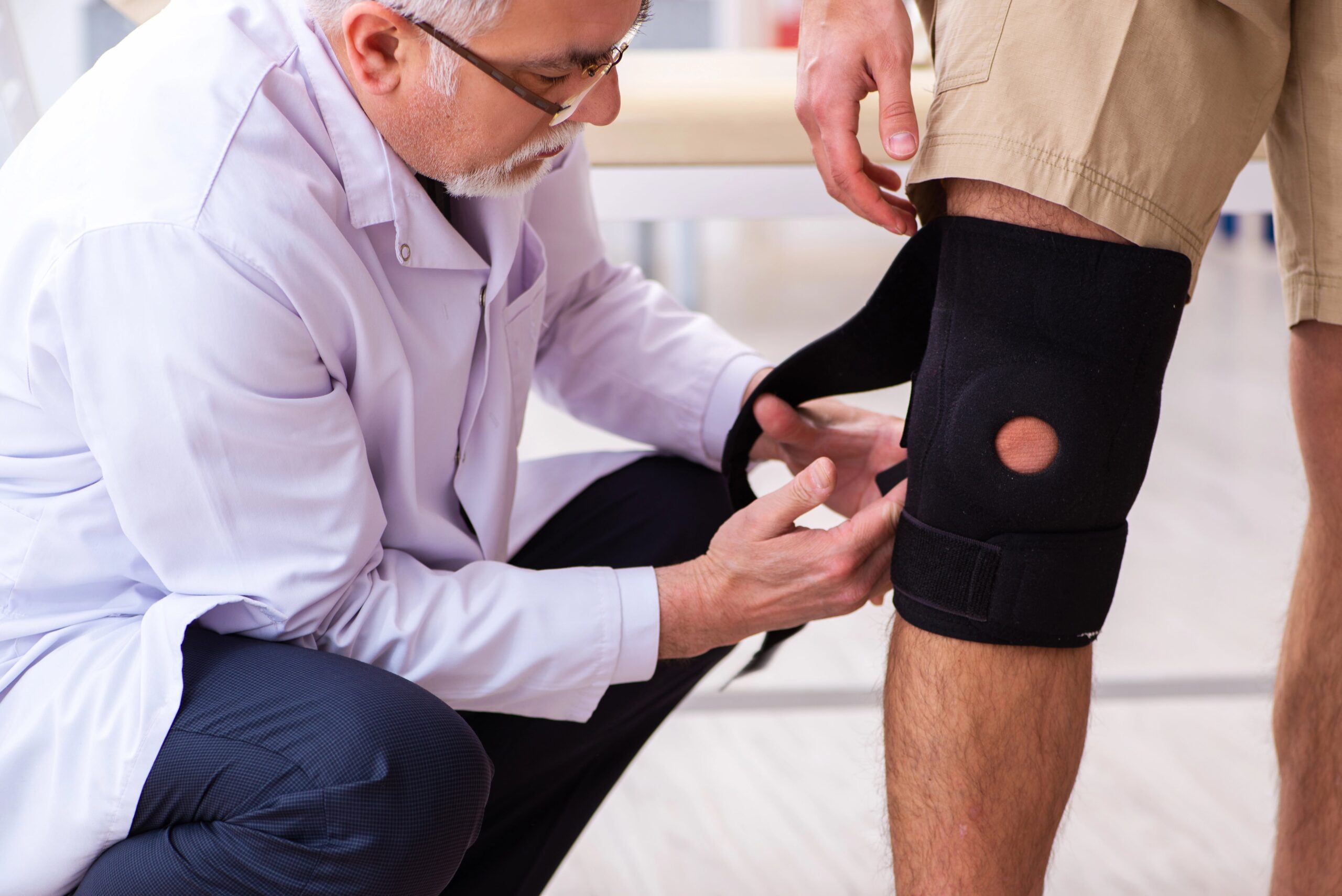
What Total Knee Replacement Abroad Means for Patients
Total knee replacement abroad has become an increasingly popular option for people struggling with severe knee pain caused by arthritis, injury, or degenerative joint disease. The procedure involves replacing the damaged surfaces of the knee joint with artificial implants to restore mobility and reduce pain. Patients often look beyond their home country because of rising healthcare costs and long waiting lists, making international options more appealing. Overseas hospitals are known to offer advanced techniques, skilled surgeons, and modern facilities that rival or exceed those at home. Many destinations also provide patient-centered care tailored specifically for medical travelers, including assistance with transportation and lodging. This global trend is part of the wider medical tourism movement, where people travel to another country not just for affordability, but also for quality healthcare and better patient experiences. For those considering surgery, understanding how total knee replacement abroad works is the first step toward making an informed decision.
Why Patients Consider Surgery Outside Their Home Country
Patients seek total knee replacement abroad for several reasons, with cost savings being one of the biggest motivators. In many developed countries, the price of knee replacement surgery can be overwhelming, especially for those without comprehensive insurance coverage. By traveling to reputable destinations such as India, Thailand, or Mexico, patients can often reduce their medical expenses by more than half while still receiving excellent care. Another major factor is shorter waiting times; while some healthcare systems require months or even years before a surgery date is available, overseas hospitals can often schedule procedures within weeks. Patients also gain access to internationally recognized surgeons who specialize in orthopedics and frequently treat foreign patients. In addition, many hospitals abroad offer comprehensive care packages that include pre-surgical assessments, surgery, rehabilitation, and accommodations. These reasons collectively make overseas surgery an attractive solution for individuals seeking both affordability and high-quality treatment.
Understanding the Procedure and Techniques Used Internationally
When patients opt for total knee replacement abroad, they often discover a wide range of advanced surgical techniques available. Some hospitals specialize in minimally invasive procedures, which involve smaller incisions, reduced blood loss, and faster recovery times compared to traditional approaches. Others use robotic-assisted systems to increase precision during implant placement, leading to more natural joint movement post-surgery. Internationally, patients can expect access to the same or even better implant materials used in their home countries, including durable metal alloys and high-grade plastics designed to last 15–20 years or longer. Surgeons abroad also tend to adopt the latest rehabilitation methods, which help patients regain mobility more quickly. Depending on the hospital, patients may be offered tailored physiotherapy programs immediately after surgery, allowing them to return home sooner. By understanding the range of surgical options and innovations available, patients can choose the approach that best fits their health needs and lifestyle.
Choosing the Right Country for Your Knee Surgery
Selecting the right country for total knee replacement abroad requires careful research. Patients should evaluate healthcare quality, regulations, and the overall reputation of the medical tourism industry in each destination. Countries like India, Thailand, Turkey, and Mexico have become leading choices due to their combination of affordability and internationally accredited hospitals. Germany is another option, particularly for patients seeking cutting-edge technology and highly specialized orthopedic care. Beyond healthcare infrastructure, cultural factors and language accessibility also play important roles in the patient experience. Many hospitals abroad employ English-speaking staff and provide interpreters to make communication easier for international patients. Comparing what each country offers, from cost to recovery support, ensures that patients make a choice that balances quality, safety, and comfort. Taking the time to investigate these factors makes the journey smoother and more reassuring.
Evaluating Hospitals and Surgeons Abroad
Not all hospitals offering total knee replacement abroad are the same, which makes due diligence essential. Patients should first check whether a hospital is accredited by international organizations such as the Joint Commission International (JCI), which ensures high-quality care standards. It’s equally important to review the qualifications and track records of the orthopedic surgeons who will perform the procedure. Many leading surgeons abroad have trained or practiced in the United States, United Kingdom, or other developed nations, which can be reassuring for patients. Hospitals with strong reputations often share patient reviews and clinical success rates, giving prospective patients an idea of the care they can expect. Beyond credentials, patients should ask about pre-surgery evaluations, aftercare services, and rehabilitation support offered by the facility. Choosing a trusted hospital and surgeon greatly reduces risks and ensures the patient receives the highest standard of treatment.
Cost Breakdown of Total Knee Replacement Abroad
One of the biggest advantages of total knee replacement abroad is cost efficiency. In the United States, knee replacement surgery can cost anywhere from $35,000 to $60,000, while in countries like India or Thailand, the same procedure may cost between $7,000 and $12,000. These savings often include comprehensive packages that cover hospital fees, surgeon fees, anesthesia, physiotherapy, and even meals during the hospital stay. Patients should also consider additional costs such as flights, visas, accommodation outside the hospital, and travel insurance. Despite these added expenses, the overall cost remains significantly lower compared to most Western countries. Some hospitals also offer bundled packages that make budgeting easier and reduce financial stress for patients and their families. By planning ahead and understanding all costs involved, patients can confidently pursue their treatment without unexpected surprises.
Preparing for Your Medical Trip
Traveling for total knee replacement abroad requires detailed planning to ensure a smooth experience. Patients should first gather their medical records, including X-rays, MRIs, and a history of any previous treatments, as these are essential for the surgeon’s evaluation. It’s also important to coordinate the timing of the trip, considering both surgery and recovery periods before traveling back home. Travel insurance that covers medical procedures abroad can provide peace of mind, protecting against unforeseen complications. Patients should not overlook necessary travel documents, such as passports, visas, and health-related clearances. Packing should include comfortable clothing, mobility aids, and any medications that may be needed during recovery. Planning ahead for local transportation and accommodation after discharge makes the entire trip less stressful. With proper preparation, patients can focus more on recovery and less on logistics.
Risks and Safety Considerations
Like any major surgery, total knee replacement abroad carries certain risks that patients should understand. Complications such as infections, blood clots, or implant issues can occur, though choosing accredited hospitals with experienced surgeons helps minimize these risks. Another concern is the challenge of follow-up care once patients return home, which makes it important to coordinate with local healthcare providers in advance. Patients should also consider travel-related risks, such as long flights shortly after surgery, which can increase the likelihood of blood clots. To ensure safety, doctors often recommend staying in the host country for several weeks to complete initial rehabilitation before returning. Researching the hospital’s safety record, infection control measures, and patient support services is critical. By being proactive and informed, patients can greatly reduce risks and improve overall outcomes.
Recovery and Rehabilitation After Surgery Abroad
The recovery process after total knee replacement abroad is just as important as the surgery itself. Most patients can expect to stay in the hospital for several days before beginning rehabilitation therapy. Overseas hospitals often provide customized physiotherapy programs that help patients regain strength and mobility faster. Rehabilitation may continue in dedicated recovery centers or with guided at-home exercise plans, depending on the country and hospital chosen. Travel considerations are also important, as patients need to ensure they are fit enough to fly or travel long distances. Once home, follow-up with a local doctor or physiotherapist ensures the continuity of care. Maintaining a healthy lifestyle, including low-impact exercise and a balanced diet, helps preserve the longevity of the new knee joint. With the right recovery plan, patients can look forward to long-term mobility and an improved quality of life.
Frequently Asked Questions (FAQ)
How safe is total knee replacement abroad compared to my home country?
It is generally safe when performed at internationally accredited hospitals with experienced surgeons. Researching credentials and patient reviews helps ensure you receive high-quality care.
How long should I plan to stay overseas after surgery?
Most patients stay between 2–4 weeks to complete initial rehabilitation and ensure they are fit to travel back home.
Will my insurance cover knee replacement abroad?
Coverage varies widely depending on the insurance provider. Some international policies may cover part or all of the costs, but it’s best to check directly with your insurer.
What is the average recovery time after knee replacement surgery abroad?
Recovery typically takes 6–12 weeks before patients can resume most normal activities, with full recovery taking up to six months.
How do I verify the credentials of a foreign surgeon?
Patients can check for international certifications, training history, and affiliations with recognized medical boards. Many hospitals share surgeon profiles and qualifications online.