In today’s industrial environments, industrial cleaning standards play a pivotal role in maintaining safety, hygiene, and operational efficiency. Adhering to these standards isn’t just a regulatory requirement but also a fundamental aspect of ensuring a healthy work environment.
Understanding Industrial Cleaning Standards
Industrial cleaning standards encompass a set of guidelines and regulations established by various regulatory bodies such as OSHA (Occupational Safety and Health Administration) and the EPA (Environmental Protection Agency). These standards define the criteria for cleanliness and hygiene practices across different sectors, including manufacturing, healthcare, and food processing industries.
Key Components of Industrial Cleaning Standards
The scope of industrial cleaning standards extends across diverse industries, each with specific cleanliness benchmarks tailored to their operational needs. Whether it’s maintaining sterile environments in pharmaceutical manufacturing or ensuring food safety in processing plants, these standards provide crucial frameworks for businesses to uphold.
Compliance Challenges in Industrial Cleaning
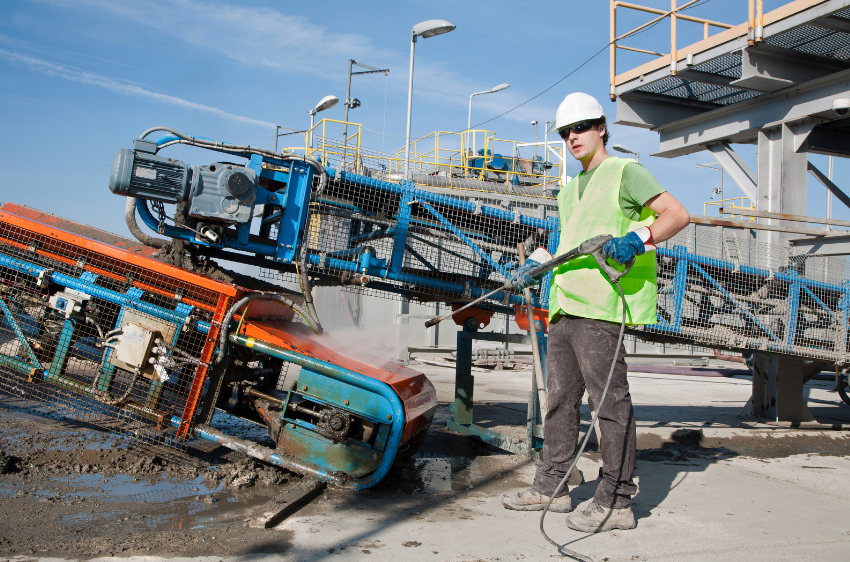
Achieving and maintaining compliance with industrial cleaning standards presents several challenges for organizations. From the complexity of cleaning large-scale equipment to ensuring consistency in hygiene practices, businesses often face significant hurdles. Non-compliance can result in severe consequences, including fines, legal liabilities, and damage to reputation.
Best Practices for Achieving Compliance
To meet industrial cleaning standards effectively, businesses must develop comprehensive cleaning protocols tailored to their operational requirements. This includes outlining specific cleaning procedures, schedules, and the use of appropriate cleaning agents and equipment. Training staff on proper cleaning techniques and safety protocols is also crucial to ensuring compliance and minimizing risks.
Future Trends in Industrial Cleaning Standards
As technology continues to advance, the landscape of industrial cleaning is evolving. Innovations such as automated cleaning systems and sustainable cleaning practices are gaining traction, promising more efficient and environmentally friendly solutions. Anticipating future regulatory changes and adapting to new cleaning technologies will be crucial for businesses to maintain compliance effectively.
Takeaway
Adhering to industrial cleaning standards is not just about regulatory compliance but also about fostering a safe and productive workplace environment. By implementing robust cleaning protocols, training employees, and embracing technological advancements, businesses can uphold these standards effectively. Investing in compliance not only mitigates risks but also enhances operational efficiency and contributes to overall business success.