Understanding knee anatomy is crucial for comprehending the importance of Medial Patellofemoral Ligament (MPFL) reconstruction, a significant procedure in orthopedic knee surgery. The knee joint is a complex structure where bones, ligaments, and tendons work together to provide stability and movement. One crucial component is the patella, or kneecap, which can be prone to instability due to various factors. This instability, often resulting in recurrent dislocations, is where MPFL reconstruction plays a vital role in restoring stability and function to the knee.
What is Medial Patellofemoral Ligament (MPFL) Reconstruction?
Medial Patellofemoral Ligament (MPFL) reconstruction is a surgical procedure designed to restore stability to the patella by reconstructing the ligament responsible for preventing lateral displacement. This ligament, located on the inner side of the knee joint, helps keep the patella in its proper alignment during movement. The surgery involves using a graft (typically from the patient’s own tissue or a donor) to recreate the MPFL, effectively preventing recurrent patellar dislocations.
Procedure Details
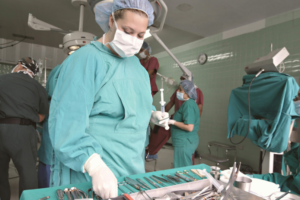
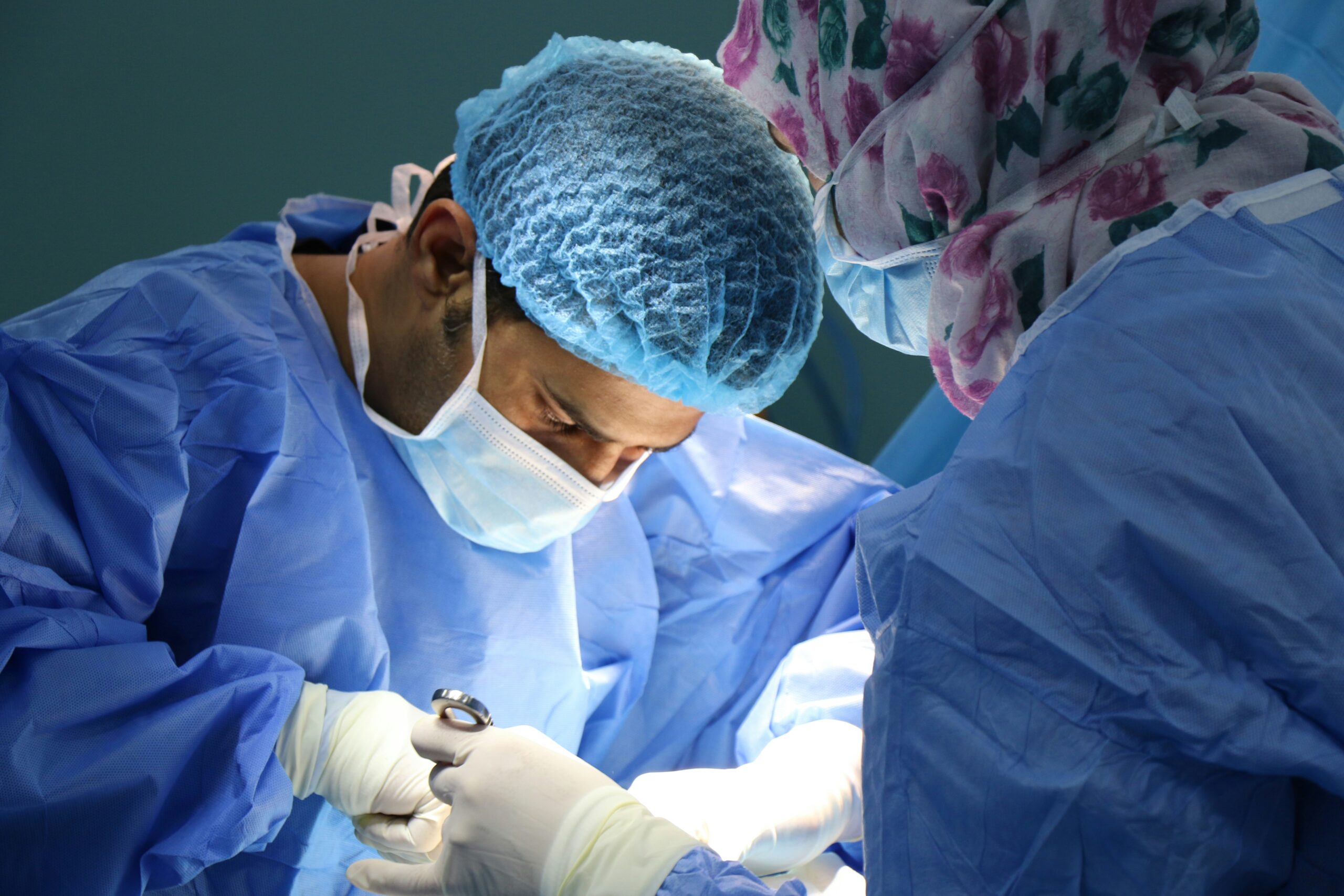
During MPFL reconstruction knee surgery, the orthopedic surgeon begins by making small incisions around the knee. They then carefully access the damaged ligament and prepare the area for the graft. The graft is positioned and secured in place using surgical screws or anchors. Over time, the body integrates the graft into the surrounding tissues, providing long-term stability to the patella.
Benefits of MPFL Reconstruction
The primary benefit of MPFL reconstruction knee surgery is the restoration of patellar stability. By reconstructing the MPFL, orthopedic surgeons can significantly reduce the risk of patellar dislocations and alleviate associated pain and discomfort. Patients often experience improved knee function, including enhanced range of motion and the ability to engage in physical activities without fear of the kneecap giving way.
Who Needs MPFL Reconstruction?
MPFL reconstruction is typically recommended for individuals who have experienced recurrent patellar dislocations or subluxations. These conditions often result from anatomical abnormalities, trauma, or sports injuries that compromise the ligament’s integrity. Candidates for MPFL reconstruction should consult with an orthopedic specialist to determine if the surgery is appropriate for their specific condition and lifestyle.
Recovery Process
Following MPFL reconstruction knee surgery, patients undergo a structured rehabilitation program supervised by physical therapists. Initially, the focus is on managing pain and swelling while gradually restoring knee mobility and strength. Patients are usually able to bear weight on the affected leg within a few weeks, with full recovery and return to normal activities expected within several months.
Alternatives to MPFL Reconstruction
In cases where MPFL reconstruction is not indicated or preferred, non-surgical treatments may be considered. These can include physical therapy to strengthen the surrounding muscles, bracing to support the knee joint, or activity modifications to reduce the risk of further dislocations. However, for individuals with persistent instability or high physical demands, surgical intervention like MPFL reconstruction may offer more reliable and long-term outcomes.
Takeaway
MPFL reconstruction knee surgery is a valuable treatment option for individuals suffering from recurrent patellar instability. By restoring the function of the Medial Patellofemoral Ligament, orthopedic surgeons can effectively enhance patellar stability and improve overall knee function. If you or someone you know is experiencing symptoms of patellar instability, consulting with a qualified orthopedic specialist is essential to explore whether MPFL reconstruction is the right solution.